
If you’re shipping goods in or out of a busy port or rail hub, you’ve probably realized something important…Cargo doesn’t magically move itself.
From unloading containers to switching freight from train to truck (or vice versa), there’s a whole world of behind-the-scenes logistics that keeps your supply chain running. One key piece of that puzzle is cargo transition services—and if you’re asking: “How do I actually schedule a cargo transition service near a port or rail hub?” You’re in the right place.
Whether you’re new to logistics or just want to streamline your operations, this article is your no-fluff, step-by-step guide. We’ll walk you through:
- What cargo transition services really are
- Why they’re crucial near ports and rail hubs
- How to schedule them without pulling your hair out
- What to look for in a service provider
- Questions to ask before you book
- Common mistakes to avoid
- And tips to make the whole process a lot smoother
So grab your coffee and let’s make sense of cargo transitions one step at a time. What not to transition (unless you enjoy headaches)
What is Crossdocking ? (Read our Article here)
Crossdocking is a logistics method where incoming freight is unloaded, sorted, and shipped out with little to no storage time. Instead of sitting on shelves, products flow directly from the receiving dock to outbound transportation.
Benefits of crossdocking:
- Faster delivery – Goods reach stores or customers within hours.
- Lower storage costs – Reduces the need for warehousing.
- Fewer handling steps – Less damage and labor.
- Improved inventory turnover – Products move quickly and efficiently.
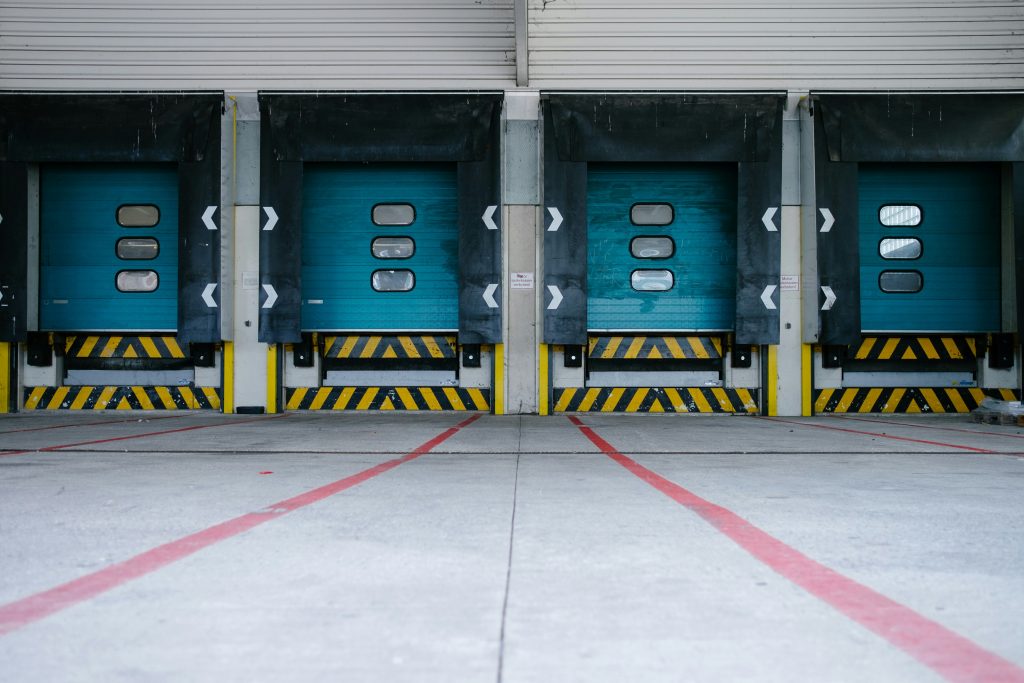
First, What Is a Cargo Transition Service? Let’s start simple. A cargo transition service is any logistics support that helps move your freight from one mode of transport to another, especially at high-volume transfer points like:
- Ocean ports
- Inland rail terminals
- Intermodal hubs
- Air cargo facilities
These services often include:
- Drayage: Moving containers short distances (e.g., from a port to a warehouse)
- Transloading: Unloading cargo from one container or truck and loading it into another
- Crossdocking: Quick turnaround transfer without storage
- Warehousing: Short-term storage before final delivery
- Customs clearance: For international transitions
- Final-mile delivery setup
In short, cargo transition services bridge the gap between where your cargo arrives and where it needs to go next.
Why Are These Services Important at Ports and Rail Hubs? Ports and rail hubs are bottlenecks and opportunity zones in logistics. They’re where:
- Containers pile up by the thousands
- Rail cars switch directions
- Customs agents do inspections
- Trucks line up for loading
Without a solid cargo transition plan, your freight can:
- Sit in storage (racking up demurrage charges)
- Miss its delivery deadline
- Get stuck in customs
- Or worse get lost in the shuffle
Scheduling a cargo transition service ensures that your freight keeps moving, and that it’s handled by professionals who know how to work in fast-paced port/rail environments.
How to Schedule a Cargo Transition Service: Step-by-Step Guide
Ready to get practical? Here’s your foolproof guide to scheduling a cargo transition service near a port or rail hub.
Step 1: Know Your Cargo and Its Needs Before you call anyone, get clear on what you’re shipping and what it needs.
Ask yourself:
- Is it palletized? Fragile? Bulk? Hazardous?
- Is it in a container? Or loose cargo (LCL)?
- Are you moving it from ship to truck? Rail to warehouse?
- How fast does it need to be delivered?
- Do you need temperature control? Insurance?
This info helps determine what kind of transition services are right for your shipment.
Step 2: Identify the Port or Rail Hub You’re Using Every port and rail terminal operates differently, and many have their own approved logistics vendors.
You’ll need to know:
- The name of the port or rail terminal
- Your cargo’s arrival time
- The shipping line or rail operator (e.g., Maersk, Union Pacific)
- Container number or bill of lading number (if applicable)
Why it matters: Your service provider will use this info to coordinate timing, arrange drayage, and gain terminal access.
Step 3: Find a Local 3PL or Freight Partner Look for third party logistics companies (3PLs) or freight brokers who:
- Operate near the port or rail hub
- Specialize in cargo transitions and drayage
- Have access to port terminals and proper certifications
Pro tip: Search with keywords like:
“Drayage services near [Port of Los Angeles]”
“Intermodal freight company in [Chicago rail hub]”
“Container transloading [Port of Savannah]”
You’ll find providers who already know the terminal systems, customs rules, and scheduling quirks.
Step 4: Request a Quote (Be Detailed!) When you contact a provider, include:
- Type of cargo (dimensions, weight, handling instructions)
- Container number (if available)
- Pickup and drop-off locations
- Desired timeline
- Delivery requirements (e.g., must arrive by Friday at 5 PM)
- Special services needed (palletizing, cross-docking, warehousing)
Why this matters: The more info you give, the more accurate (and fair) the quote will be. You’ll also avoid surprise charges later.
Step 5: Book in Advance (Don’t Wait Until It Lands) Ports and rail hubs can be chaotic. Trucks book up fast. To avoid delays and detention fees, schedule your cargo transition service 3–7 days in advance especially during peak season.
Even if your container hasn’t landed yet, your logistics provider can:
- Reserve equipment
- Assign a drayage driver
- Get the right paperwork in place
- Check for port holds or customs flags
Step 6: Track, Communicate, and Confirm Once booked, you should receive:
- A booking confirmation
- Point of contact details
- ETA for pickup/drop-off
- Real-time tracking (if available)
Pro tip: Stay in touch with your service provider until the transition is complete. Delays happen—weather, customs holds, port congestion—but proactive communication keeps things on track.
How Much Does a Cargo Transition Service Cost?
- Location (port congestion = higher costs)
- Type of service (drayage, transloading, warehousing)
- Distance between terminal and next destination
- Equipment needed (liftgate, reefer unit, etc.)
- Speed (expedited = more $$$)
Typical costs:
|
Service |
Avg. Cost (USD) |
|
Drayage (short haul) |
$150–$450 per move |
|
Transloading |
$200–$600 per container |
|
Short-term storage |
$20–$50 per day |
|
Final-mile delivery |
Varies (based on ZIP code/distance) |
Always request an itemized quote to understand exactly what you’re paying for.
What to Look for in a Reliable Transition Service Provider
You don’t want to hand off your precious cargo to just anyone. Look for companies that offer:
- Proximity to the port or rail hub
- Bonded warehousing (for customs holds)
- Experience with your cargo type
- Good reviews and reputation
- Transparent pricing and no hidden fees
- Customer service that picks up the phone
Bonus points if they provide:
- GPS tracking
- Live updates
- Online booking portal
- 24/7 support during transitions
What the shipper does:
- Schedules a cargo transition service 5 days before vessel arrival
- Provides:
- Container number
- Arrival date
- Cargo description
- Delivery timeline
- Container number
- Receives a full service quote for:
- Drayage
- Transloading
- Storage (1 day)
- Final-mile delivery
- Drayage
- Tracks cargo through the provider’s online portal
- Confirms successful delivery within 72 hours of port arrival
Total cost: ~$750
Outcome: Zero delays, zero damage, on-time delivery.
So, how do you schedule a cargo transition service near a port or rail hub?
- Understand what you’re shipping
- Choose the right local 3PL or freight partner
- Get detailed quotes
- Book ahead of time
- Communicate and track everything
- Avoid last-minute chaos
When done right, cargo transitions can be smooth, cost-effective, and stress-free. Whether you’re managing daily container traffic or handling a one-off international import, the key is planning, partnering smart, and staying proactive. Remember, your cargo doesn’t move itself—but with the right service, it might feel like it does.