At its core, cross docking is a logistics strategy that moves goods directly from inbound shipments to outbound transportation with little or no time spent in storage. Instead of your product sitting in a warehouse, products are immediately sorted and shipped to their next stop.
All in all the goal is to eliminate unnecessary steps, reduce storage costs, and get products where they need to be: faster and more efficiently.
Instead of stockpiling inventory in a warehouse for days or weeks: a shipment arrives, gets sorted, and moves out just as fast as they came in. No wasted time, no extra storage costs—just a streamlined, efficient process that gets products where they need to be, fast.

Cross Docking at its Core consists of the following steps:


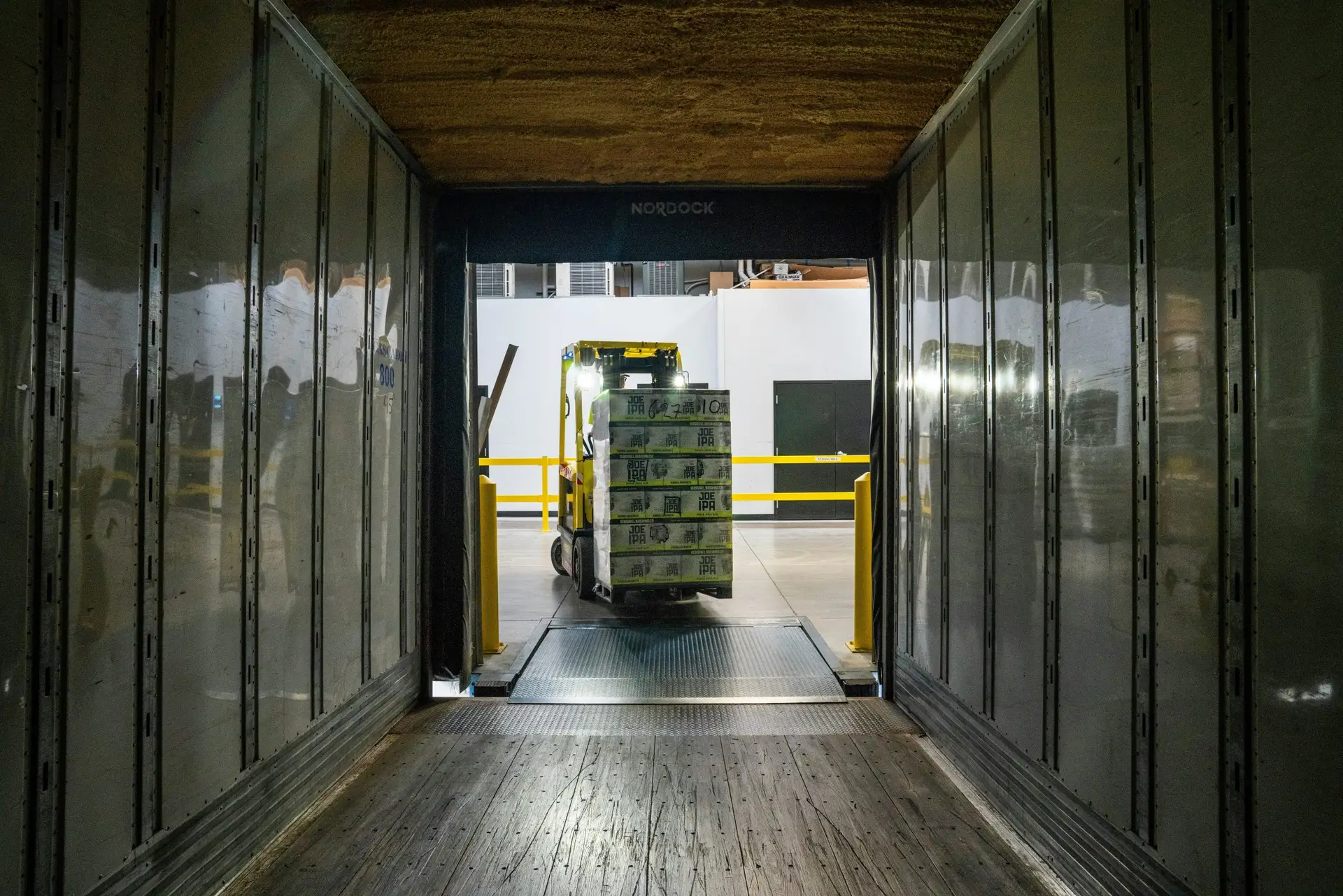
Cross docking works for both non-palletized and palletized freight, giving your business greater flexibility in how you ship goods under a hub-and-spoke model. As a result, you can adapt more quickly to changing demands.
Unlike traditional warehousing, where products are stored for extended periods, we minimize storage time and handling. This isn’t necessarily bad for businesses that benefit from long-term storage, but for others, it can mean higher labor and storage costs.
Shippers can move products to customers faster because these facilities are designed to handle high volumes efficiently. Through advanced technology, staff training, and strategic locations, cross-dock warehouses can process more SKUs quickly. Many top-tier facilities use WMS (Warehouse Management Systems) and real-time tracking to give shippers, carriers, brokers, and receivers full visibility over shipments, allowing them to adjust input levels as needed.
In short when choosing between warehouses, shippers often base their decision on faster shipping times, lower costs, and which facility’s technology best aligns with their business model.
Types of Cross-Docking
Different industries have different logistics needs.
Here are the 4 main types of cross-docking and where they work best:
1. Pre-Distributed
Here, suppliers pre-sort and label shipments before they even reach the distribution center. When the shipment arrives, it’s already organized by destination, so it gets loaded directly onto outbound trucks without extra processing.
Best for: Businesses that have well-coordinated suppliers and a high volume of goods moving to multiple destinations.
2. Consolidation
This method involves combining smaller shipments from multiple sources into one larger, more efficient shipment before sending it to customers. It’s great for optimizing truckloads and reducing transportation costs.
Best for: Companies looking to reduce shipping costs and improve delivery efficiency.
3. Opportunistic
Not every business plans for cross-docking all the time, but sometimes an opportunity arises to bypass warehousing and send goods directly to the customer. When that happens, smart companies take advantage.
Best for: Retailers, e-commerce brands, and any business that needs to move inventory fast.
4. Distributor
In this setup, shipments from multiple suppliers arrive at a distribution center, get sorted based on customer or store orders, and are immediately shipped out.
Best for: Retail chains, grocery stores, and pharmaceutical distributors managing large volumes of goods heading to multiple locations.
5. Third Party Logistics (3PL)
Outsourcing cross docking to a 3PL allows businesses to scale capacity without handling labor, technology, or capital costs. 3PLs optimize processes, reducing handling, storage time, and transportation costs while improving delivery speed. This leads to increased efficiency and lower overall costs.
Benefits of 3PL Cross-Docking
- Expertise – Streamlined operations and fewer handling errors.
- Cost-effectiveness – Lower storage and transportation costs.
- Scalability – Quickly adjust capacity without extra investment.
- Speed – Faster order processing and delivery.
- Reduced Risk – Less handling means fewer damages.
Why Cross Docking continues to deliver
Being that companies handling large-scale logistics operations, need to constantly prioritize speed, cross-docking isn’t just nice to have..It’s a smart, strategic move that brings real benefits.
1. Lower Storage Costs
In Short; the prolonging of products sitting in storage, the more you pay. Here we are able to reduce or eliminate the need for long-term storage, saving businesses serious money.
2. Faster Deliveries
In today’s world, customers expect quick turnaround times. This allows to eliminate delays by moving products straight from arrival to delivery, cutting down on lead times significantly.
3. Simplified Supply Chain
Managing inventory across multiple warehouses can be complex and costly. With cross-docking, companies can streamline their operations and avoid unnecessary storage and handling.
4. Reduced Labor Costs
Warehouses require workers to unload, store, pick, and pack inventory—all of which adds up in payroll costs. This allows cross docking to minimize these labor-intensive steps, cutting operational expenses.
5. Lower Risk of Damage or Loss
Every time a product gets handled, there’s a risk of damage, we reduce the number of touch points, keeping goods safer during transit.
6. More Sustainable Operations
Focusing on optimized truckloads, reduces fuel consumption, and cuts down on warehouse energy use. For businesses aiming to be more environmentally friendly, it’s a win-win.
International Shipping Need to Knows
At this time, clusters of commodities are often pooled together in a shipping container on a steamship line. This concept is referred to in short as LCL (less than container load). Cross docking is mission-critical for LCL shipping, since they are most often not being shipped under the authority of one importer or exporter but rather bundled under a NVOCC (Non-Vessel Operator Common Carrier).

Industries That Benefit Most
- Retail Chains & Big-Box Stores – Companies like Walmart and Amazon rely on it to keep inventory flowing without clogging up warehouses.
- Food & Beverage – Perishable goods need to move fast, making it an ideal solution for grocery suppliers.
- Pharmaceuticals – Medications and healthcare products must be delivered quickly and securely, making fast logistics critical.
- E-Commerce – Online retailers need efficient fulfillment to compete in a world where customers expect two-day or same-day shipping.
At the end of the day, it’s all about getting products where they need to be—quickly and without the hassle. That’s exactly why were here. Cutting out the extra steps, saving you money on storage, and getting your products to customers faster. No more delays or complicated logistics. Whether you’re running a retail chain, handling fresh produce, or keeping up with online orders, cross-docking makes things simpler. Faster deliveries, lower costs, and happier customers—it just makes sense.
If you’re looking to cut costs, speed up deliveries, and simplify your logistics, we’re ready to help.
Comments are closed.