(855) 949-6188

quotes@crossdockconnect.com

Author name: Jacob Shamblin

Full shot of shipping containers in supply chain distribution yard

Cross Docking Is Becoming a Core Node in Distributed Supply Chains

Supply chains are no longer built like straight lines. They are built like networks spread across regions, split across suppliers, and constantly adjusting to demand, risk, and transportation constraints. In that environment, cross-docking is no longer a side process. It is becoming a core node in how distributed supply chains actually function. The shift is

Cross Docking Is Becoming a Core Node in Distributed Supply Chains Read More »

Side shot of a cross bridge

How Cross-Docking Fits Into Modern Supply Chain Architecture

Modern supply chains no longer rely on static storage and predictable routing. Instead, they prioritize flow, speed, and constant reconfiguration. As a result, cross-docking has evolved from a tactical warehouse process into a structural component of supply chain architecture. More importantly, cross-docking does more than move goods quickly through a facility. Instead, it helps logistics

How Cross-Docking Fits Into Modern Supply Chain Architecture Read More »

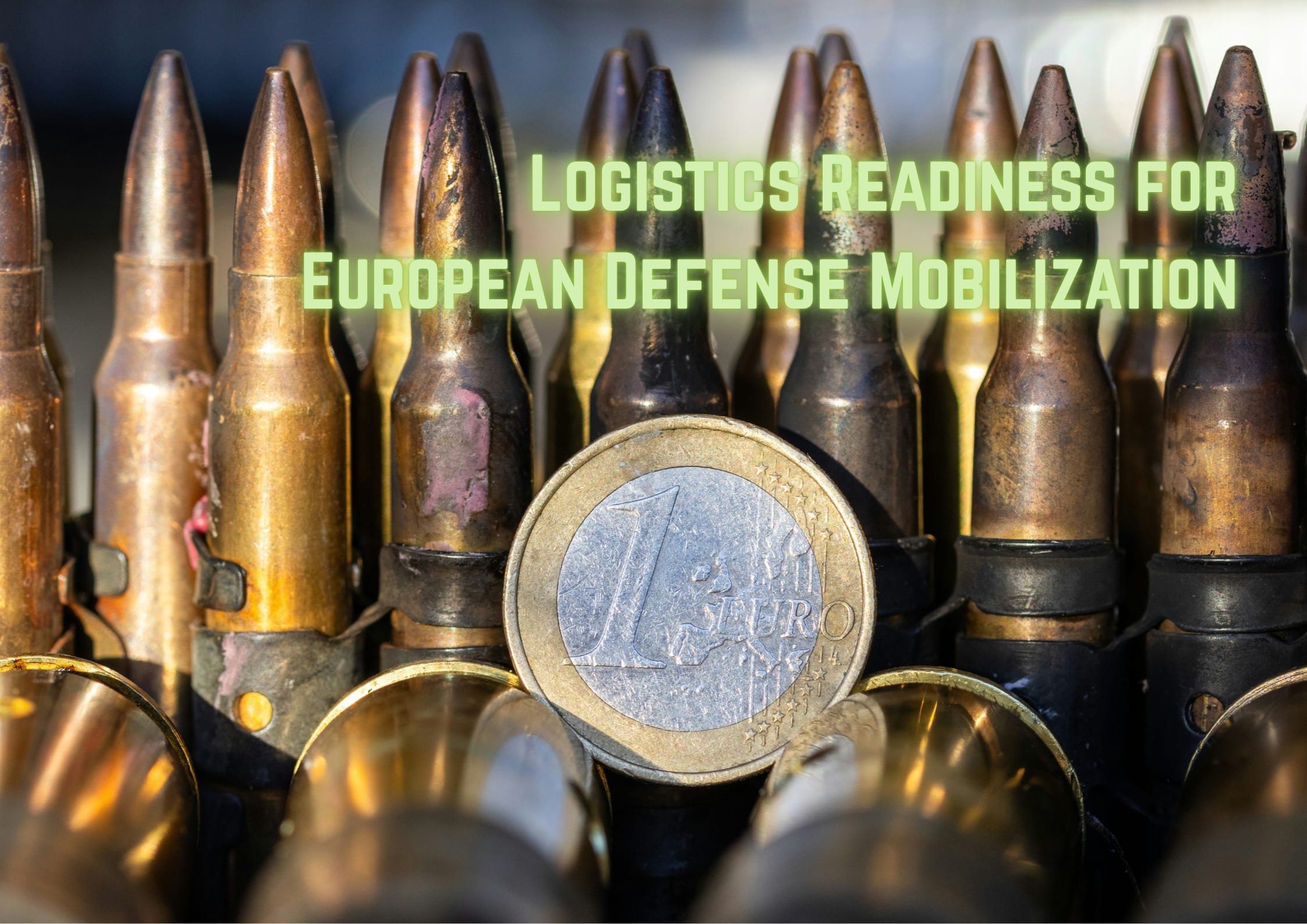
1 Euro coin infront of bullets representing the article talking about european defense and how logistics needs to be ready

Logistics Readiness for European Defense Mobilization

European defense thinking is shifting from long-term deterrence planning to something more immediate and operational: mobilization readiness. At the center of that shift is logistics. Not as a supporting function, but as the backbone of how quickly and effectively Europe can respond to a crisis. The core question is no longer just what capabilities exist,

Logistics Readiness for European Defense Mobilization Read More »

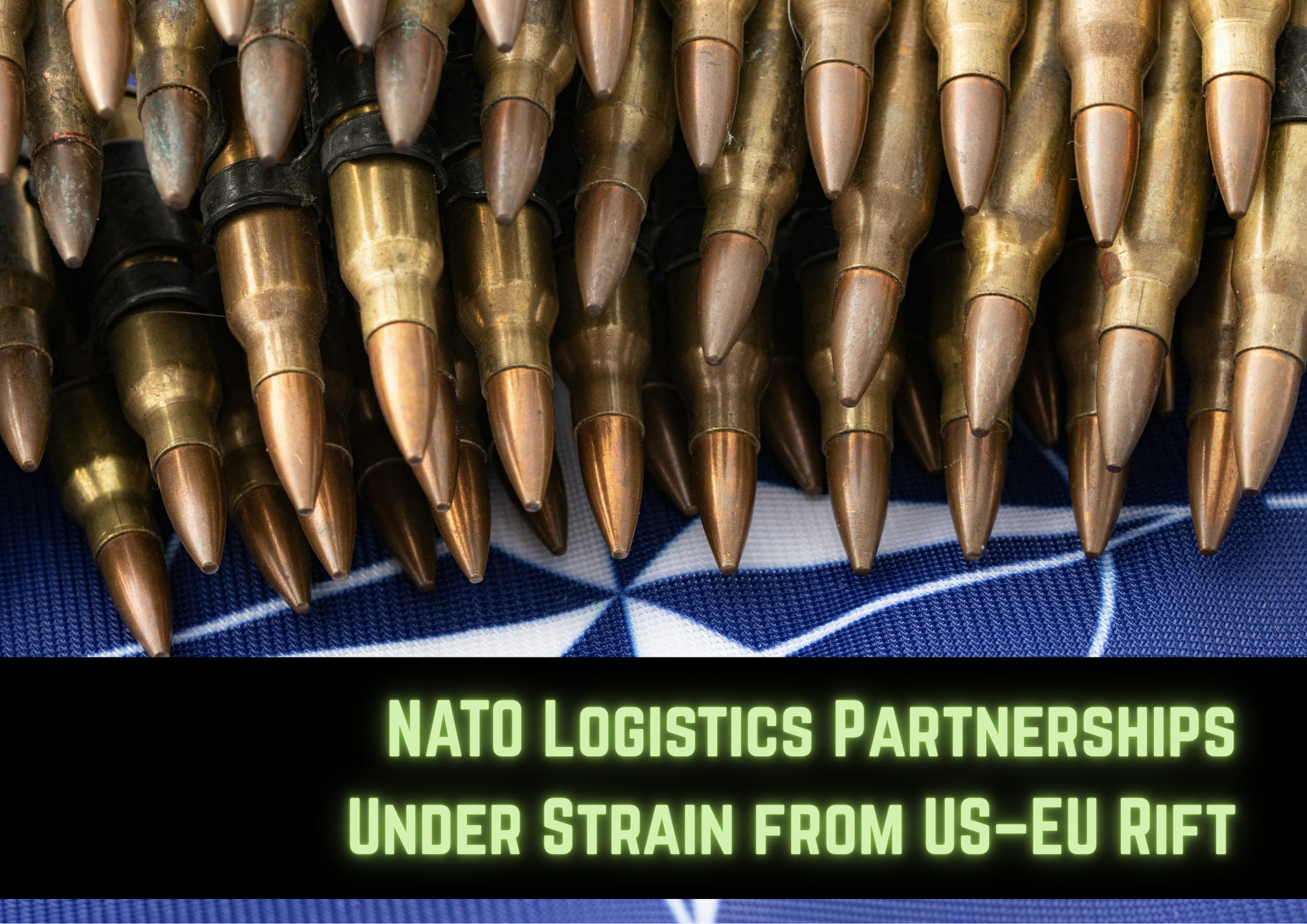
Bullets on a table representing what is nato defense in the logistics strain

NATO Logistics Partnerships Under Strain from US–EU Rift

NATO has always depended on a high level of coordination between the United States and European allies, especially when it comes to logistics. Troop mobility, supply chain synchronization, fuel distribution, equipment readiness, and cross border transport systems all rely on seamless cooperation. But that assumption of seamlessness is starting to weaken. As strategic priorities between

NATO Logistics Partnerships Under Strain from US–EU Rift Read More »

Low profile side shot of aircraft carrier in the ocean representing the military derisking in global dual use logistics impacts

US Military De-Risking: How Readiness 2030 Impacts Dual-Use Logistics

The global logistics system is entering a phase where military planning and commercial supply chains are no longer separate layers. They are becoming deeply interconnected, especially through the rise of dual-use logistics, where infrastructure, transport systems, and industrial capacity serve both civilian and defense needs. As the European Union advances its Readiness 2030 strategy, the

US Military De-Risking: How Readiness 2030 Impacts Dual-Use Logistics Read More »

close range shot of rustic british air force F14 with monarch building

Readiness 2030: Defense & Logistics Integration in EU Strategy

The European Union is entering a phase where defense policy and logistics infrastructure are no longer treated as separate domains. Under this broader shift, the emerging Readiness 2030 framework is placing greater emphasis on an integrated system where military preparedness, industrial capacity, and logistics resilience are designed to operate as one coordinated structure. More importantly,

Readiness 2030: Defense & Logistics Integration in EU Strategy Read More »

Robotic arms in a manufacturing facility

Investing in Supply Chain Resilience: US/EU Capital Flows

Supply chain resilience has moved from boardroom theory to capital allocation reality. What used to be a risk management discussion inside operations teams is now shaping cross-border investment flows between the US and the EU. The underlying message from investors is clear: global supply chains are no longer assumed to be stable, and capital is

Investing in Supply Chain Resilience: US/EU Capital Flows Read More »

Scrabble letters on table that show close up spelled out of tariffs

How Manufacturers Are Reacting to Tariff Driven Logistics Costs

First of all, manufacturers are operating in a very different cost environment than they were just a few years ago. In particular, tariffs are no longer just policy tools sitting in the background of trade discussions. Instead, they have become a direct and recurring driver of logistics inflation, supply chain redesign, and sourcing strategy shifts.

How Manufacturers Are Reacting to Tariff Driven Logistics Costs Read More »

Iconographic shot of truck being unloaded representing logistics real estate in the warehouse market

Logistics Real Estate: Surge in Custom Warehousing Demand

The logistics real estate market is undergoing a structural shift that goes far beyond cyclical demand spikes. What we are seeing now is a sustained surge in custom warehousing demand, driven by supply chain redesign, nearshoring trends, inventory strategy changes, and the rising need for faster, more resilient distribution networks. Warehouses are no longer just

Logistics Real Estate: Surge in Custom Warehousing Demand Read More »

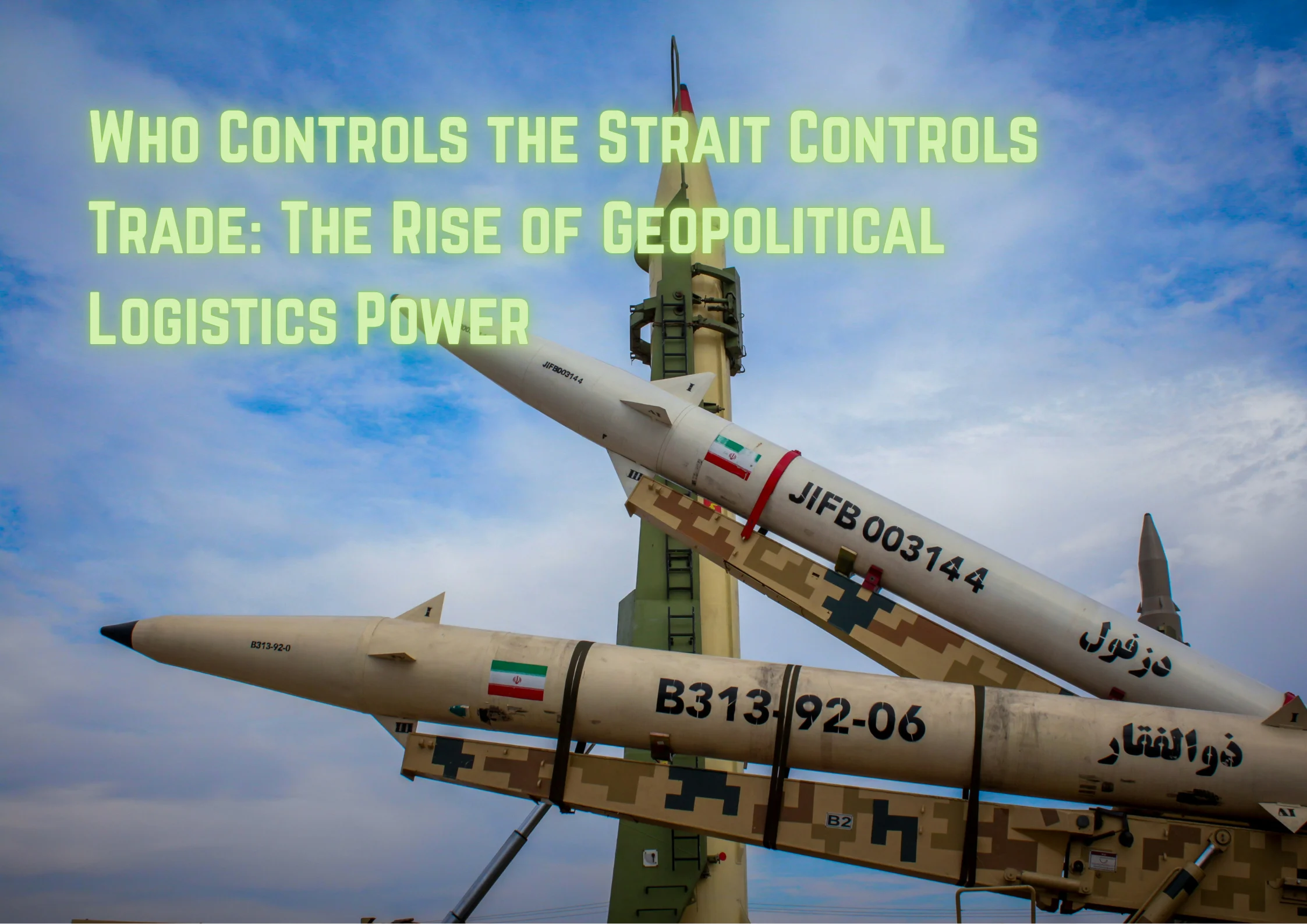
Shot of iranian missles pointed as projectiles with arabic on the sides within context of straight of hormuz control

Who Controls the Strait Controls Trade: The Rise of Geopolitical Logistics Power

In global logistics, geography used to be a constraint. Today, it is a form of leverage. And nowhere is that more obvious than in the world’s maritime chokepoints. Among them, the Strait of Hormuz stands out as one of the most strategically powerful corridors on the planet. The logic is simple, but the implications are

Who Controls the Strait Controls Trade: The Rise of Geopolitical Logistics Power Read More »

Toy soldiers replicate the political tension in the united states, israel and Iran during this nuclear power war with IRGC

Shipping Insurance, War Risk, and the True Cost of Moving Freight in 2026

The price of moving freight in 2026 is no longer defined by distance, fuel, or even capacity alone. Those still matter, but they are no longer the full picture. The real cost equation now includes a layer that used to sit in the background of logistics planning: insurance and geopolitical war risk premiums. This shift

Shipping Insurance, War Risk, and the True Cost of Moving Freight in 2026 Read More »

Aerial topical shot of shipping container heading over water

Trade Routes Under Threat: Politically Controlled Shipping Lanes

Global trade has always depended on a relatively stable map of shipping lanes, chokepoints, and maritime corridors. That stability is now under pressure. Global trade has always depended on a relatively stable map of shipping lanes, chokepoints, and maritime corridors. That stability now faces growing pressure. Political control, strategic leverage, and geopolitical risk management increasingly

Trade Routes Under Threat: Politically Controlled Shipping Lanes Read More »

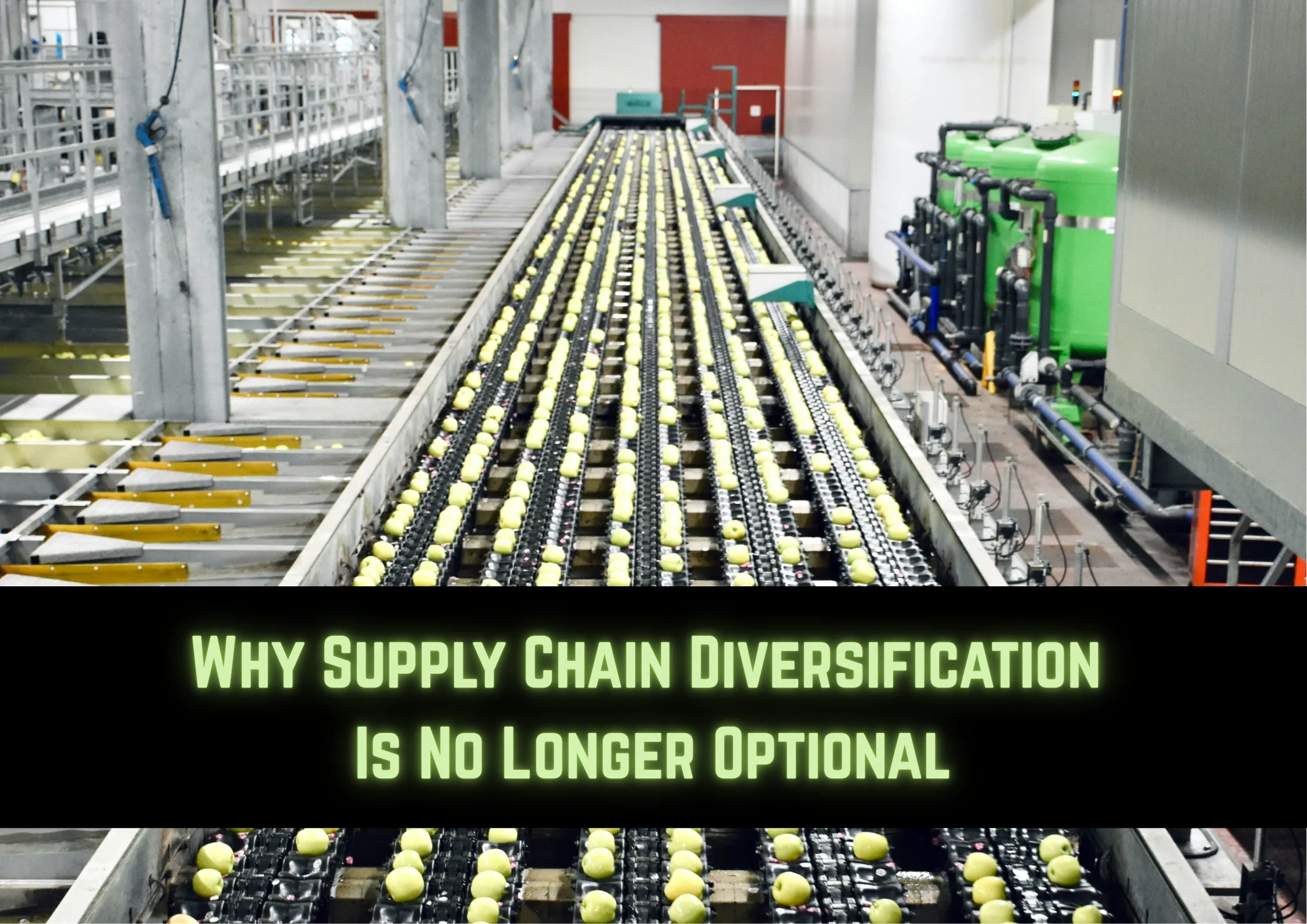
pears moving through a food manufacturing facility representing supply chain constraint updates

Why Supply Chain Diversification Is No Longer Optional

Supply chain diversification is not a strategic advantage. Something smart companies considered once they reached scale. In 2026, that framing no longer works. Diversification is not a competitive edge anymore. It’s a baseline requirement for operating in a system shaped by geopolitical friction, energy volatility, transport bottlenecks, and increasingly fragmented trade relationships. Then, companies that

Why Supply Chain Diversification Is No Longer Optional Read More »

Elevated shot of major metro Dubai with a gradient color sky

Nearshoring vs Global Sourcing: The Hormuz Crisis Forces a Decision

The debate between nearshoring and global sourcing has been around for years.. The Hormuz crisis has pushed it into a practical decision making framework for companies that depend on international logistics. When a single chokepoint like the Strait of Hormuz can disrupt energy flows, increase insurance premiums, delay container movements, and spike freight volatility all

Nearshoring vs Global Sourcing: The Hormuz Crisis Forces a Decision Read More »

Shot of an executive building black and white, with background shot being a major city

Risk Mitigation in Logistics: What Smart Companies Are Doing Right Now

Risk in logistics is no longer a rare event; it’s the default operating condition. Between geopolitical shocks, energy volatility, port congestion, labor instability, and demand unpredictability, supply chains are operating in a permanently elevated risk environment. The companies outperforming right now aren’t the ones trying to eliminate risk. They’re the ones building systems that can

Risk Mitigation in Logistics: What Smart Companies Are Doing Right Now Read More »

Scroll to Top