
You’ve got a delivery on the way with oversized freight. Everything’s scheduled, the truck is en route, the customer’s expecting it. But there’s one small hiccup… The receiving location? No dock, forklift or pallet jack. Just a parking lot and a big “good luck” from the universe. Enter the humble hero of modern freight logistics: the lift gate. It’s a mechanical platform mounted to the back of a truck or trailer that lowers cargo from truck to ground or raises it up. For many last-mile or dock-less deliveries, a lift gate is the key to a successful handoff. But here’s the million dollar question:
Can lift gates handle heavy or oversized freight?
We get it. You don’t want to book a lift gate service only to find out your freight is too heavy, too bulky, or too awkward to handle. That’s not just inconvenient it can be expensive, time consuming, and dangerous. In this article, we’re breaking it all down:
- What lift gates are and how they work
- Different types of lift gates (yep, there’s more than one)
- Weight and size limitations you need to know
- Real world examples of what they can and can’t handle
- Tips to move heavy freight safely with lift gates
- Alternatives for truly oversized shipments
If you’ve ever wondered whether that giant piece of machinery, bulky furniture, or overpacked pallet can ride the lift gate down safely this guide is for you.
Let’s get lifting.
What is Crossdocking ? (Read our Article here)
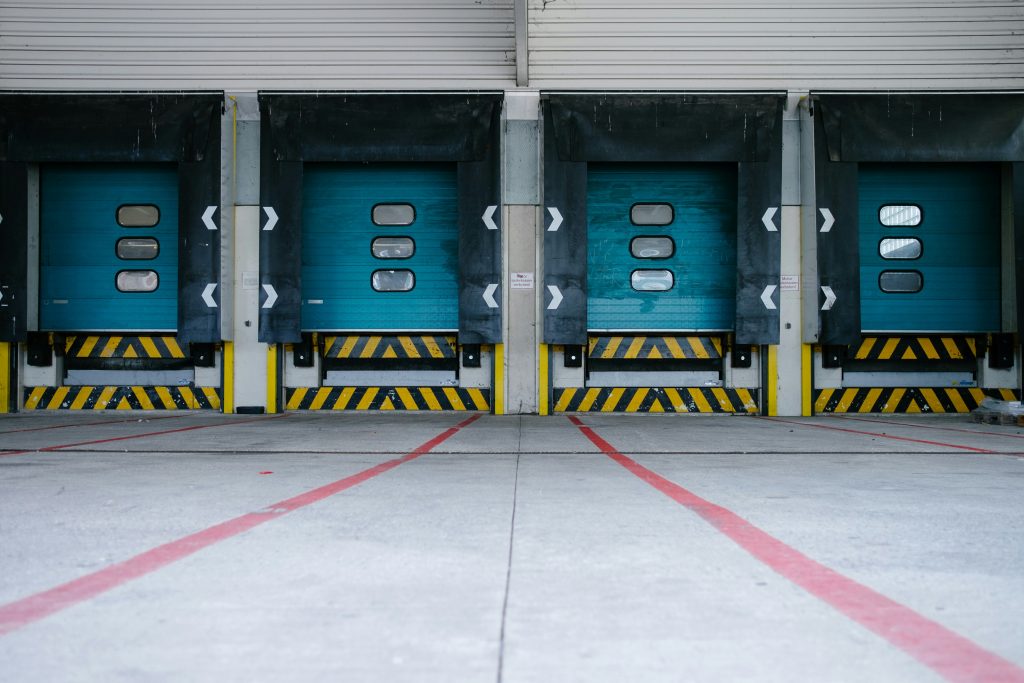
Crossdocking is a logistics method where incoming freight is unloaded, sorted, and shipped out with little to no storage time. Instead of sitting on shelves, products flow directly from the receiving dock to outbound transportation.
Benefits of crossdocking:
- Faster delivery – Goods reach stores or customers within hours.
- Lower storage costs – Reduces the need for warehousing.
- Fewer handling steps – Less damage and labor.
- Improved inventory turnover – Products move quickly and efficiently.
What Exactly Is a Lift Gate?
Let’s start with the basics. A lift gate is a hydraulic or electric-powered platform mounted to the rear of a truck or trailer. Its job is simple: Raise or lower freight between the truck deck and the ground. No loading dock? No problem. It’s like an elevator for your cargo and in many cases, it’s the only way to load or unload heavy shipments when no equipment is available at the destination. Lift gates are especially common in:
- Residential deliveries
- Retail store drops
- Job sites and construction zones
- Hospitals and clinics
- Remote warehouses
- Non dock commercial locations
They save time, labor, and stress. But just like elevators, they have limits.
Types of Lift Gates (And Why They Matter)
Believe it or not, not all lift gates are created equal. There are several types, and each has different weight capacities and platform sizes.
Let’s take a look at the main ones:
1. Tuck-Away Lift Gates
- Folds and “tucks” under the trailer when not in use
- Common on dry vans and straight trucks
- Medium-sized platform
- Weight limit: 1,000 – 3,000 lbs
Great for: General freight, smaller palletized loads, and boxes.
2. Rail Lift Gates (or Column Lift Gates)
- Mounted to the truck’s frame
- Vertical rails guide the platform straight up and down
- Very stable and durable
- Weight limit: 2,500 – 6,600 lbs
Great for: Heavier pallets, machinery, industrial goods.
3. Cantilever Lift Gates
- Uses arms instead of rails
- Platform tilts to stay level on uneven ground
- Ideal for sloped surfaces or hilly terrain
- Weight limit: 1,500 – 5,000 lbs
Great for: Delicate freight that needs a smooth ride or deliveries in rough locations.
4. Slider Lift Gates
- Stored under the truck and slide out when needed
- Large platform and high capacity
- Common on large straight trucks or trailers
- Weight limit: 2,500 – 6,000+ lbs
Great for: High-volume delivery routes or oversized freight that needs extra platform space.
So… Can Lift Gates Handle Heavy Freight? Short answer: Yes but with limits. Most commercial lift gates can safely handle up to 2,500 – 5,000 lbs per lift. Some heavy duty models can go as high as 6,600 lbs. But it’s not just about weight. You also have to consider:
- Platform size – Can your freight fit safely without overhang?
- Center of gravity – Is the load balanced or likely to tip?
- Freight shape and packaging – Is it stable? Palletized? Wrapped?
- Ground surface – Is the delivery site flat, sloped, or uneven?
Even if a lift gate technically supports the weight, loading a 7-foot-tall, top-heavy item on a 6-foot platform is a recipe for disaster. Let’s look at some real-world examples.
Real-World Freight: What Lift Gates Can (and Can’t) Handle
Items Commonly Moved with Lift Gates
- Palletized freight under 3,000 lbs
- Commercial appliances (fridges, stoves, freezers)
- Furniture and mattresses
- Medical equipment
- Beverage cases and vending machines
- Office printers and copiers
- Crated industrial parts
- Building materials (tile, flooring, doors)
These items typically fit well on a lift gate, are manageable in weight, and can be secured during the lift.
Items That May Be Too Heavy or Risky for Lift Gates
- Oversized HVAC units (5,000+ lbs)
- Pallets with wide overhang
- Top heavy loads like server racks or high shelving
- Cranes, engine blocks, or industrial machinery
- Long metal beams or steel tubing
- Very large crates without a forklift option
If your load is too long, heavy, or awkward, even the strongest lift gate might not be safe or practical.
Important Weight & Size Limits to Know Here are some lift gate rules of thumb to keep in your back pocket:
|
Lift Gate Type |
Max Weight Capacity |
Average Platform Size |
|
Tuck-Away |
1,000 – 3,000 lbs |
42″ – 60″ deep x 80″ wide |
|
Rail Gate |
2,500 – 6,600 lbs |
48″ – 70″ deep x 80″ wide |
|
Cantilever |
1,500 – 5,000 lbs |
50″ – 66″ deep x 80″ wide |
|
Slider |
2,500 – 6,000+ lbs |
Up to 86″ wide x 60″ deep |
Always confirm exact specs with your carrier or truck provider.
Tips for Moving Heavy Freight with a Lift Gate Want to stay safe and avoid surprises? Follow these pro tips:
1. Know Your Freight Dimensions and Weight Before booking, know:
- Gross weight (including pallet or crate)
- Dimensions (length x width x height)
- Freight center of gravity
- Whether it’s palletized or loose
Don’t guesstimate. A 3,500-lb load on a 3,000-lb gate won’t end well.
2. Request the Right Lift Gate Type Not all trucks carry heavy-duty lift gates. Be specific when you book: “This load is 4,500 lbs on a standard pallet. We need a heavy-duty rail gate or slider.”
3. Palletize and Wrap Freight When Possible Unstable loads are the #1 risk factor on lift gates.
- Use heavy-duty pallets
- Shrink-wrap or strap the load
- Avoid stacking too high
A well packed pallet is safer and easier to lift.
4. Use a Pallet Jack if Forklifts Aren’t Available Lift gates don’t load themselves. A pallet jack can help:
- Position the freight on the gate
- Move it into place for unloading
- Prevent injury to the driver or receiver
5. Be Mindful of Uneven Ground or Slopes Lift gates work best on flat surfaces. Sloped driveways or rough terrain can cause:
- Tilting
- Load shifting
- Driver strain
Use cantilever gates for better balance on uneven ground—or request curbside delivery if needed.
When a Lift Gate Isn’t Enough: Alternatives for Oversized Freight
Some freight is just too big or heavy for a lift gate. In these cases, consider:
1. Forklift-Assisted Delivery If the delivery site has a forklift, the driver can pull up and offload freight safely from the truck bed—no lift gate needed.
2. Flatbed with Crane or Moffett Crane trucks or Moffett (truck-mounted forklifts) can deliver and place extremely heavy freight at ground level.
Perfect for:
- Industrial machinery
- Large equipment
- Construction deliveries
3. White Glove or Inside Delivery Services For delicate, high-value, or unusually sized freight, white glove teams offer:
- Lift gate plus two-person delivery
- Unpacking and debris removal
- Room-of-choice placement
So, can lift gates handle heavy or oversized freight? Yes within limits. Most modern lift gates are built tough, capable of handling up to 6,000 lbs or more, depending on the type. But it’s not just about the weight it’s about size, shape, balance, and safety. For loads that push the limits, it’s all about:
- Choosing the right gate
- Prepping your freight properly
- Communicating clearly with your carrier
- Knowing when to call in reinforcements (like cranes or forklifts)
The more you know, the smoother the delivery. Because when the truck rolls up and that heavy load comes down safely, everybody wins