
Ever wonder how global giants like Amazon, Walmart, or Home Depot manage to move mountains of inventory from overseas factories to your doorstep—seamlessly and lightning-fast? The secret sauce? It’s something called transloading, a key cargo transition strategy in modern freight logistics.
This article breaks down why top shippers swear by this technique, how it works, and whether your business should hop on the transloading train (pun intended). Spoiler alert: if you’re not using it yet, you might be leaving serious time and money on the table.
What Is Transloading, Anyway?
Let’s keep it simple.
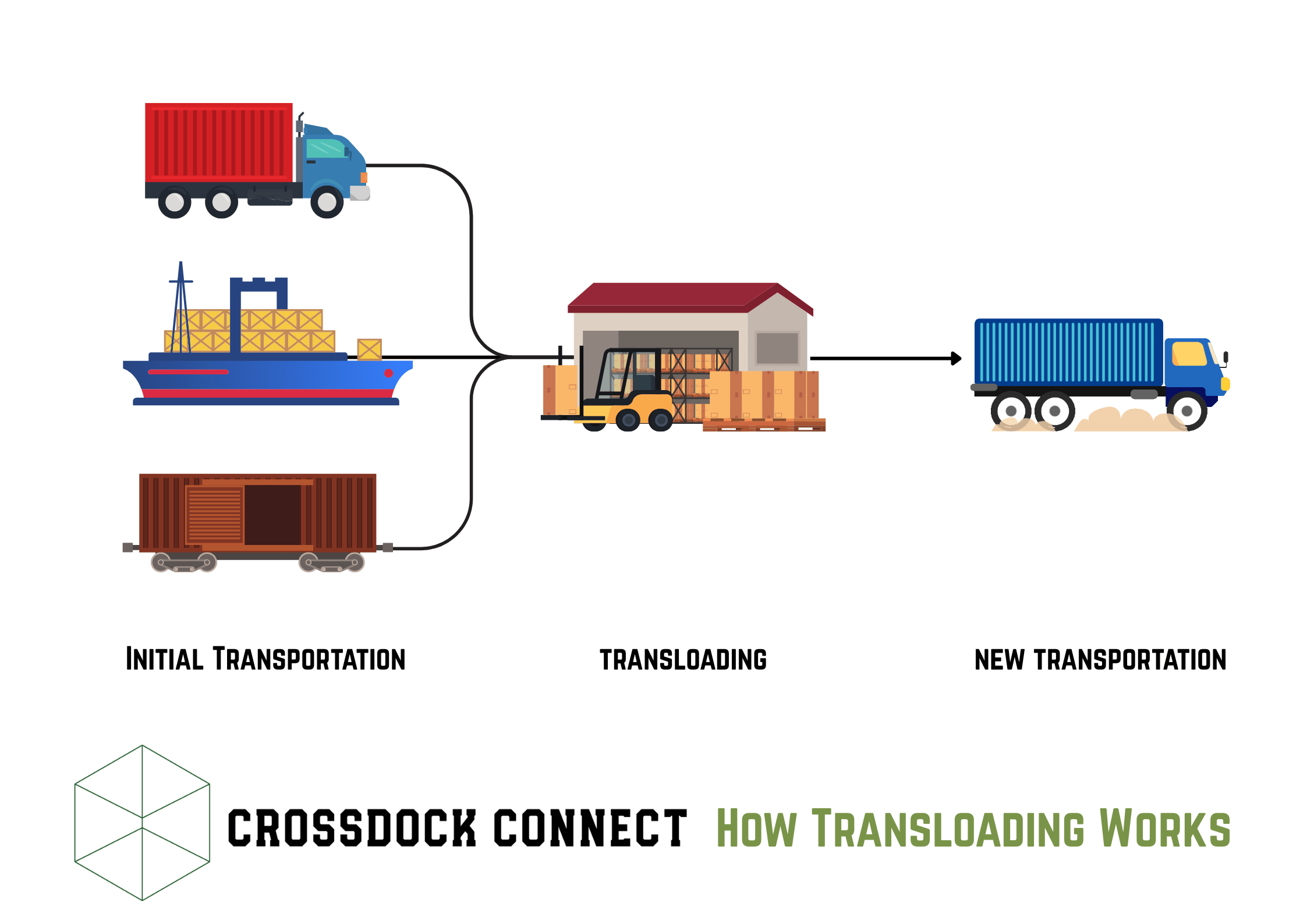
Transloading is the process of transferring cargo from one mode of transportation to another, usually from ship to truck or train—as it moves through the supply chain.
Here’s how it plays out in the real world:
- A container arrives at a port via an ocean vessel.
- The cargo is offloaded and transferred to a truck or rail at a nearby facility.
- It’s repackaged or re-palletized if needed.
- Then shipped off to its final destination, like a regional warehouse or retail store.
In other words, transloading is how freight jumps from sea to land—faster, smarter, and more efficiently.
Why Transloading Has Become the Go-To for Top Shippers
Top shippers didn’t start using transloading because it sounds fancy. They do it because it solves real, painful logistics problems.
1. Faster Turnaround Times
Traditional shipping means a container gets offloaded, sits in port storage, and waits for local delivery. That’s slow and costly.
Transloading moves cargo immediately from port to truck or train, cutting dwell time dramatically.
2. Lower Transportation Costs
Why pay to haul a 40-foot container across the country when you can transload into smaller, optimized loads?
Transloading allows shippers to:
- Consolidate goods from multiple containers
- Match shipment size to delivery need
- Use more affordable inland carriers
3. Flexibility in Routing
Ports can get jammed. Weather delays happen. Transloading lets shippers redirect freight quickly, avoiding bottlenecks and getting goods to market faster.
4. Better Inventory Control
Want to split a container’s contents for delivery to different warehouses? Transloading makes that easy. It’s all about precision and customization—something you can’t get with sealed container shipping.
How Transloading Works: A Step-by-Step Breakdown
Let’s zoom in on what actually happens during a cargo transition:
- Port Arrival Container lands at port, cleared through customs.
- Drayage to Trans load Facility Short-haul trucks move the container to a nearby warehouse or logistics hub.
- Unload & Sort Goods are unloaded, sorted, and prepared for next-leg delivery.
- Repackage & Palletize Inventory may be repalletized to optimize load configuration.
- Load for Final Destination Products are loaded onto trucks or rail bound for distribution centers or stores.
This entire process can happen within 24–48 hours—a game-changer in fast-paced supply chains.
Real-World Use Cases: Who’s Crushing It with Transloading?
Here’s how industry leaders are using transloading to dominate the logistics game:
- Amazon: Transloads directly at port hubs to route products faster to regional fulfillment centers.
- Target: Uses transloading to split container inventory across multiple DCs for store-level precision.
- Costco & Walmart: Leverage coastal transloading to avoid delays at congested inland terminals.
Even mid-sized shippers are getting in on the action, especially those dealing with:
- Seasonal surges
- Complex SKUs
- Multiple delivery points
Port Congestion & Transloading: A Strategic Solution
The past few years have shown us what happens when ports back up—shipping chaos, inventory shortages, and missed delivery deadlines.
Transloading provides an off-ramp in these scenarios. Instead of waiting days (or weeks) for container transport inland, shippers transload and get their goods moving instantly.
This proactive strategy:
- Keeps inventory flowing
- Prevents backlogs
- Reduces detention and demurrage charges
In short, it’s the best defense against supply chain disruption.
Is Transloading Right for Your Business?
It might be, if you:
- Import goods through coastal ports
- Sell to multiple distribution centers or retail locations
- Need to reduce shipping costs and increase delivery speed
- Want flexibility in freight routing and last-mile fulfillment
However, if your shipments are simple, predictable, and destined for a single inland DC, traditional container shipping may still be more cost-effective.
But for most growing eCommerce and retail brands, transloading is a strategic advantage worth exploring.
Transloading is the power move top shippers are using to stay ahead. It trims fat, speeds up delivery, and adds flexibility to even the most complex supply chains. From port to warehouse and everything in between, cargo transition through transloading isn’t just a workaround—it’s the future of smart, agile shipping. If your logistics feel sluggish, bloated, or outdated, it’s time to consider how transloading can help you run lean, fast, and friction-free.