
First of all Happy April Fools and if you are a fool, stop reading this article; if you aren’t, please, as you were, continue.
When you think about inventory, you probably might not picture stores and spares, you might picture stacks of products ready to ship out to customers, the stuff that directly makes you money. But there’s another part of inventory that’s just as important, even though it doesn’t always get the attention it deserves: stores and spares.
Now, you might be thinking; “why would I bother tracking extra supplies and spare parts if they’re not the main product, seriously, why complicate things?” Not having stores and spares when you need them can seriously mess up your whole operation.
Imagine a key machine in your warehouse breaks down, and you don’t have the spare part to fix it. Or you run out of essential packing materials just as a big order comes in. Suddenly, your smooth-running operation turns into a stressful, chaotic mess all because you didn’t have the right backup in place.
Including stores and spares in your inventory is essential. Let’s talk about why you should include stores and spares in your inventory, and why they matter so much and how they can save you from a lot of frustration (and lost money) down the line.
What Exactly Are Stores and Spares?
Before we dive into why they’re so important, let’s get clear on what we’re talking about.
- Stores are the everyday supplies that keep your business running smoothly. Think of stuff like cleaning supplies, packing materials, tape, stretch wrap, gloves, safety gear.
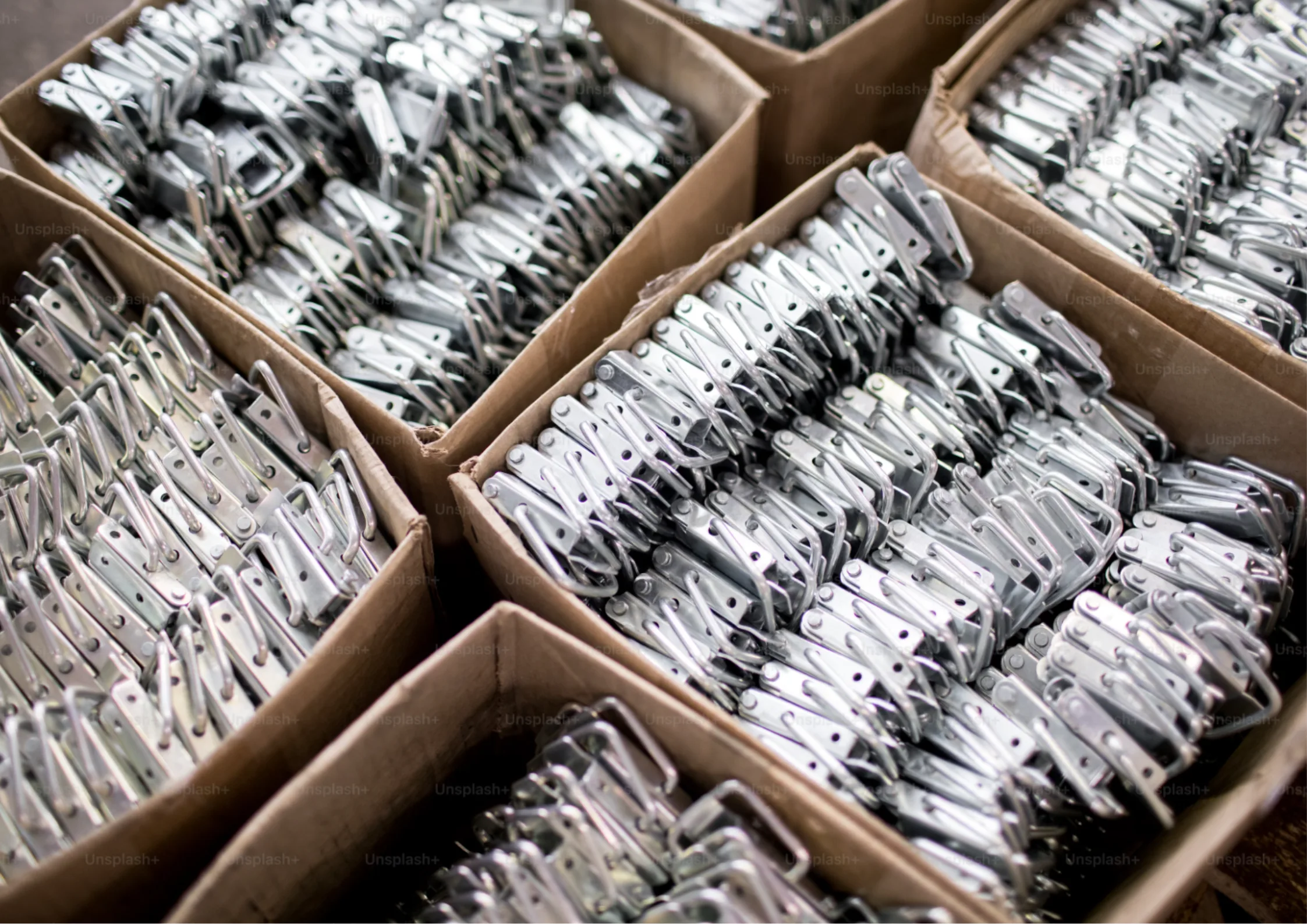
- Spares are backup parts for your machinery and equipment. This includes motors, belts, gears, replacement tools, and anything else you might need to fix a machine or keep production going.
In other words, stores and spares are the behind the scenes essentials that you don’t think about, until you suddenly need them. If you all remember, our minds initially go to things like the auto industry in 2021 with the chip shortage and how it could have been avoided ; Check out a this article on the chip shortage from 2021
Key Benefits to Stores and Spares
1. Keeps Your Operation Running Smoothly
Let’s say a conveyor belt in your warehouse breaks down and you don’t have that spare part in stock. Now you’ve got to call the supplier, place an order, and wait two days for it to arrive. Meanwhile, your whole operation is at a standstill costing you thousands if not hundreds of thousands or even millions in lost production. Lets get into both stores and spares here separately.
Having spares in inventory means you can fix issues like this right away. No waiting, no downtime, no scrambling to find a replacement. You grab the part, make the fix, and get back to production.
The same goes for stores, your everyday supplies. Running out of packing tape or labels might not seem like a huge deal until you can’t ship orders because you’ve got nothing to seal the boxes with. Keeping a steady supply of these everyday essentials ensures that small hiccups don’t turn into big problems.
2. Reduces Downtime (and Saves Money)
Downtime is expensive. Every minute that your machines aren’t running or your team isn’t working is money lost in labor costs, missed deadlines, and unhappy customers.
Let’s face it, waiting for a supplier to send you a critical part or replacement tool could mean hours (or days) of lost productivity and also cause an insane amount of stress on you and the business you’re trying to optimize. But if you’ve got spare parts on hand, you can swap out the broken part and get back to work almost immediately.
It’s the same with stores. Imagine you’re running low on shipping boxes, and you’ve got orders piling up. Without boxes, you can’t fulfill orders — which means missed sales and frustrated customers. Having a healthy stock of stores and spares means you avoid these costly interruptions and keep things running like a well-oiled machine.
3. Supports Cross Docking Operations
Now, you might be thinking, “If I’m running a cross docking operation where products are moving in and out quickly, do I really need to worry about stores and spares?”
Well, yes; and here’s why.
When you’re a cross docking operation like us, the goal is to move products through your facility as fast as possible, ideally without storing them at all. Products come off the truck, get sorted or labeled, and go right onto another truck. But even though the products aren’t sitting in storage, the infrastructure that makes cross-docking work still relies on stores and spares.
Let’s say a forklift breaks down in the middle of a cross-docking shift. If you have the right spare parts on hand, you can fix it and keep things moving. But if you don’t? That broken forklift could create a bottleneck that slows down the entire operation and in cross-docking, speed is everything.
Similarly, even though products aren’t sitting in storage for long, you still need supplies like stretch wrap, labels, and pallets to keep the process flowing. If you run out of packing tape or can’t label products properly, you could miss shipping deadlines or send out incorrect orders.
Cross-docking is all about speed and precision — and keeping the right stores and spares on hand ensures that you don’t lose valuable time when things go wrong.
4. Prevents Supply Chain Disruptions
We’ve all seen how fragile supply chains can be — one shipping delay or factory shutdown can throw off your entire operation. That’s why it’s smart to keep a backup supply of essential stores and spares.
If your supplier runs into trouble or a part gets backordered, you’re not stuck waiting. Having extra spares and supplies in inventory gives you a cushion — you can keep things running while you figure out a longer-term solution.
It’s like having an emergency kit for your business. You hope you won’t need it, but when something goes wrong, you’ll be glad it’s there.
5. Maintenance and Repairs Easier
You know that regular maintenance is key to keeping your equipment running smoothly, right? Well, maintenance is a lot easier when you have the right parts and supplies on hand.
Let’s say you know a machine part is close to wearing out. If you have the replacement part in stock, you can schedule maintenance and fix the issue before it causes a breakdown. But if you don’t have the part? Now you’re stuck waiting — and risking a costly failure.
The same goes for general upkeep. If you’ve got cleaning supplies, lubricants, and other maintenance materials stocked and ready to go, you can stay ahead of problems instead of constantly putting out fires.
6. Improves Inventory Accuracy and Cost Control
When you treat stores and spares as part of your inventory, you get a more accurate picture of what you have and what you need. That means fewer surprises and better control over your costs.
For example, if you know exactly how much stretch wrap you use each month, you can order the right amount and avoid both overstocking and running out. Same goes for spare parts — knowing what you have and what you need prevents emergency orders (which are usually more expensive).
Plus, having a clear view of your stores and spares helps you spot patterns and plan better. If you notice that a certain part tends to wear out every six months, you can plan ahead and reorder before you run into trouble. That kind of visibility makes your whole operation more efficient and cost-effective.
How to Keep Track of Stores and Spares
So, you’re sold on the idea of including stores and spares in your inventory. But how do you manage them without turning your warehouse into a chaotic mess?
- Set minimum and maximum stock levels. Figure out how much of each item you need to keep on hand and set reorder points so you’re not constantly running low (or overstocking).
- Use inventory management software. Trying to track stores and spares manually is a nightmare. Use software to automate tracking and make your life easier.