
Let’s play a quick game of “Would You Rather,” logistics edition:
- Time to ship a container faster, cheaper, or more sustainably?
- Rather deal with fewer stops or more flexibility?
- Get your freight across the state or across the world?
If you’ve ever scratched your head wondering “Should I use rail, truck, or ocean for this shipment?” welcome to the club. Choosing the right mode of transport in logistics isn’t just about cost or speed, it’s about finding the perfect balance between price, timing, cargo type, and destination. Each shipping mode has its own superpowers, but it also comes with trade-offs. So how do you make the call?
Lets walk through
- A breakdown of each freight mode
- The key logistics factors to consider in decision-making
- Real world shipping scenarios
- Pros and cons of each option
- A decision making checklist
- Bonus tips to get the most out of every shipment
Let’s decode the transportation matrix so your next freight decision is a no brainer.
What is Crossdocking ? (Read our Article here)
Crossdocking is a logistics method where incoming freight is unloaded, sorted, and shipped out with little to no storage time. Instead of sitting on shelves, products flow directly from the receiving dock to outbound transportation.
Benefits of crossdocking:
- Faster delivery – Goods reach stores or customers within hours.
- Lower storage costs – Reduces the need for warehousing.
- Fewer handling steps – Less damage and labor.
- Improved inventory turnover – Products move quickly and efficiently.
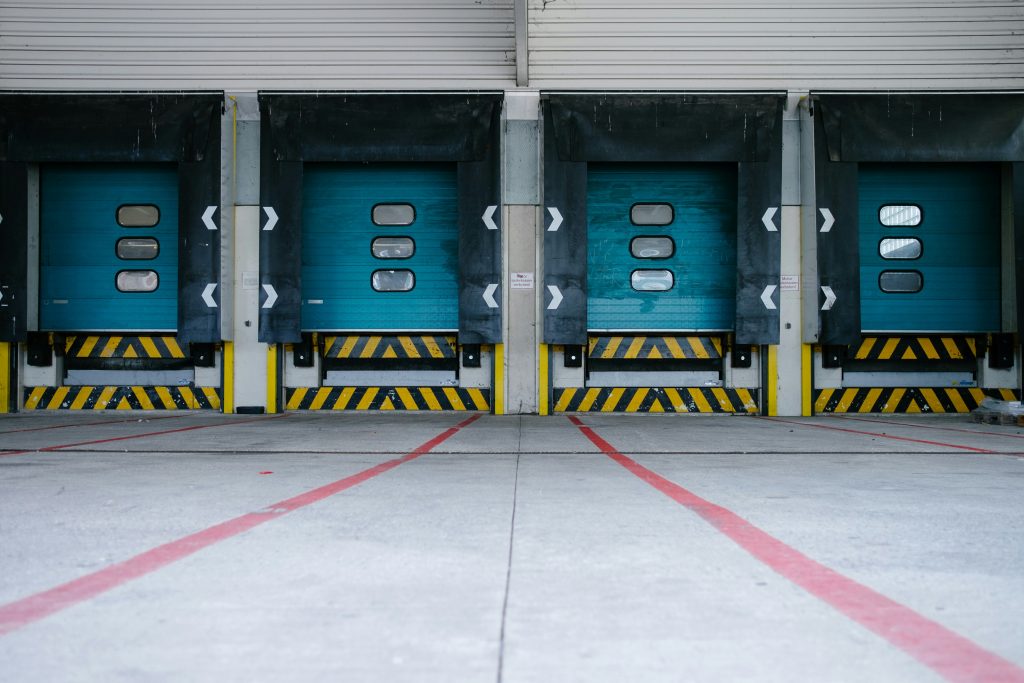
Meet the Logistics Modes: Rail, Truck, and Ocean: Before we dive into the decision making, let’s break down the three main freight transportation modes.
Trucking
Shipping freight over roads using trucks. This could be:
- FTL (Full Truckload)
- LTL (Less-Than-Truckload)
- Short haul or long-haul
Short to mid distances, fast deliveries, door-to-door service.
- Flexible routes
- Widely available
- Great for final mile delivery
Rail
Shipping freight over long distances using trains often in intermodal containers or bulk railcars.
Heavy, large volume freight over long distances.
- Super cost effective
- More environmentally friendly
- Great for high volume lanes
Ocean Freight
Moving goods internationally by sea, usually in 20ft or 40ft containers.
Global shipping, large-volume imports/exports, long lead times.
- Cheapest per unit cost for large shipments
- Ideal for international commerce
- Can handle all cargo types (dry, reefer, bulk)
The Big Question: How Do You Choose Your Logistics?
Picking between truck, rail, and ocean isn’t about playing favorites. It’s about matching your needs to what each mode does best.
Here’s what to consider:
1. Distance to Destination
One of the first questions to ask: “How far is my freight going?”
This factor alone can narrow your options significantly.
- Under 500 miles? Truck is usually your best bet. It’s quick and direct.
- 500–2,000 miles? Rail becomes a serious contender. It’s cheaper over long distances, especially for bulky or heavy goods.
- Overseas or cross-continent? Hello, ocean freight. There’s no competing with ships when it comes to cost and capacity for global moves.
2. Speed vs. Cost
This one’s the classic logistics dilemma: “Do I want it fast, or do I want it cheap?” You can’t always have both. Here’s the general speed/cost comparison:
|
Mode |
Speed (Fast → Slow) |
Cost (Low → High) |
|
Truck |
✅ ✅ |
💰💰💰 |
|
Rail |
✅ |
💰💰 |
|
Ocean |
❌ |
💰 |
- Truck: Great when time is money and the delivery window is tight.
- Rail: Good balance for non-urgent, high-volume freight.
- Ocean: Best when you’ve got time and want to save big on large international shipments.
3. Cargo Type and Size: What you’re shipping has a huge influence on how you ship it. Ask yourself:
- Fragile or sensitive?
- Bulk or palletized?
- Does it need refrigeration?
- Is it oversized or oddly shaped?
- Can it be stacked?
Ocean Freight Wins For:
- Large volumes of goods
- Raw materials
- Heavy machinery
- High value goods (in sealed containers)
Rail Wins For:
- Construction materials
- Automobiles
- Agricultural products
- High density bulk loads
Truck Wins For:
- Fragile or urgent goods
- Time sensitive parcels
- Final mile delivery
- Complex multi stop routes
4. Route Availability and Infrastructure It’s not just what you’re shipping, but where it’s going and what exists along the way.
- Is there a rail terminal nearby?
- Does the destination have port access?
- Are the roads good for trucking?
- Is there last-mile access for a full-size trailer?
If your location doesn’t connect to certain modes (e.g., no rail lines nearby), then your options narrow quickly.
5. Environmental Impact (If That Matters to You or Your Clients) Going green isn’t just trendy it’s often a requirement from eco-conscious customers and partners.
Sustainability comparison:
- Rail: Emits 75% less CO₂ than trucks per ton-mile
- Ocean: Low emissions per ton but slower
- Truck: Higher emissions, especially over long distances
6. Cost Efficiency: Let’s talk dollars and cents. Which mode saves you the most depends on:
- Distance
- Load size
- Fuel prices
- Current capacity and availability
- Accessorial charges (e.g., detention, layovers)
General cost per ton mile:
- Truck: ~$2.50–$3.50
- Rail: ~$0.04–$0.06
- Ocean: ~$0.02–$0.03 (international)
So yes, ocean and rail are dramatically cheaper for large-scale moves. But remember trucking wins on flexibility, especially for short hauls and door-to-door.
7. Flexibility and Control If your shipment requires a lot of changes on the fly rerouting, re-scheduling, or direct-to-store delivery trucks shine here.
Ocean and rail operate on fixed schedules and limited routing flexibility. So if your shipping strategy depends on:
- JIT (Just-in-Time) delivery
- Drop and hook
- Multi stop distribution
Side-by-Side Comparison: Rail vs. Truck vs. Ocean
|
Feature |
Truck |
Rail |
Ocean Freight |
|
Speed |
Fastest (1–3 days) |
Moderate (3–7 days) |
Slowest (2–6 weeks) |
|
Cost per Mile |
Highest |
Medium |
Lowest |
|
Best For |
Short-haul, time-sensitive freight |
Long-haul, high-volume freight |
Global shipping, container loads |
|
Capacity |
Limited (trailers) |
High (double-stack containers) |
Massive (thousands of containers) |
|
Sustainability |
Low |
High |
Moderate |
|
Flexibility |
High |
Medium |
Low |
|
Infrastructure Needed |
Roads (ubiquitous) |
Rail terminals |
Ports + drayage |
Real World Scenarios
Scenario 1: Shipping Retail Goods From L.A. to Chicago
- Distance: 2,000+ miles
- Not time sensitive
- Non perishable consumer goods
- Goal: Cut costs
Rail + Truck (intermodal) Why: Rail for long-haul savings, truck for final-mile delivery.
Scenario 2: Delivering Construction Materials Regionally
- From: Local warehouse
- To: Multiple job sites within 300 miles
- Heavy, awkward loads
- Needs flexible scheduling
Truck Why: Direct delivery, flexibility for multi-drop loads.
Scenario 3: Importing Electronics From China to Atlanta
- From: Shenzhen, China
- To: Atlanta, GA
- Fragile but well-packaged
- Moderate delivery window
Ocean + Rail + Truck Why: Ocean for international, rail to Southeast, truck to distribution center.
When to Combine Modes: Intermodal Wins
Sometimes, it’s not either-or it’s both. Intermodal shipping where your cargo stays in one container but moves across different modes (e.g., ship → rail → truck) is often the sweet spot. It gives you:
- Cost savings from rail/ocean
- Flexibility and speed from trucks
- Fewer touches (less damage)
- Environmental gains
If you’re shipping long distances or cross-border? Intermodal should definitely be on your radar.
Checklist: How to Choose the Right Mode Use this cheat sheet before making a freight decision:
- What’s the origin and destination distance?
- How urgent is delivery?
- What type and size of cargo are you moving?
- Are there rail terminals or ports nearby?
- What’s your shipping budget?
- Care about emissions or sustainability?
- Need flexibility for rescheduling or multi-drop?
Answers for speed/flexibility = Truck.
For volume/cost = Rail or Ocean.
The cross-border = Ocean + Intermodal.
Pro Tips to Maximize Your Freight Efficiency
- Use a TMS (Transportation Management System) To compare routes, costs, and transit times across modes.
- Partner with a 3PL They can optimize your mode mix and offer volume discounts.
- Track Carrier Performance Not all carriers are created equal watch for reliability.
- Mix and Match Use trucks for final mile, rail/ocean for long haul.
- Revisit Strategy Often Fuel prices, capacity, and infrastructure change constantly.
So, how do you decide whether to move freight by rail, truck, or ocean? The short answer: It depends. But the good news? You don’t have to guess.
By asking the right questions and understanding what each mode brings to the table, you can build a smarter, faster, and more cost-effective shipping strategy. Choose truck when:
- You need speed and flexibility
- The haul is short
- It’s final mile delivery
Choose rail when:
- The shipment is heavy or bulky
- Distance is long
- You want lower emissions and lower costs
Choose ocean when:
- You’re shipping overseas
- Cost-per-unit matters more than speed
- You’re dealing with full containers or bulk freight
And when you’re really looking to level up? Combine modes for the best of all worlds. In today’s shipping landscape, success isn’t about picking just one mode it’s about picking the right one for the right job.