(855) 949-6188

quotes@crossdockconnect.com

Logistics

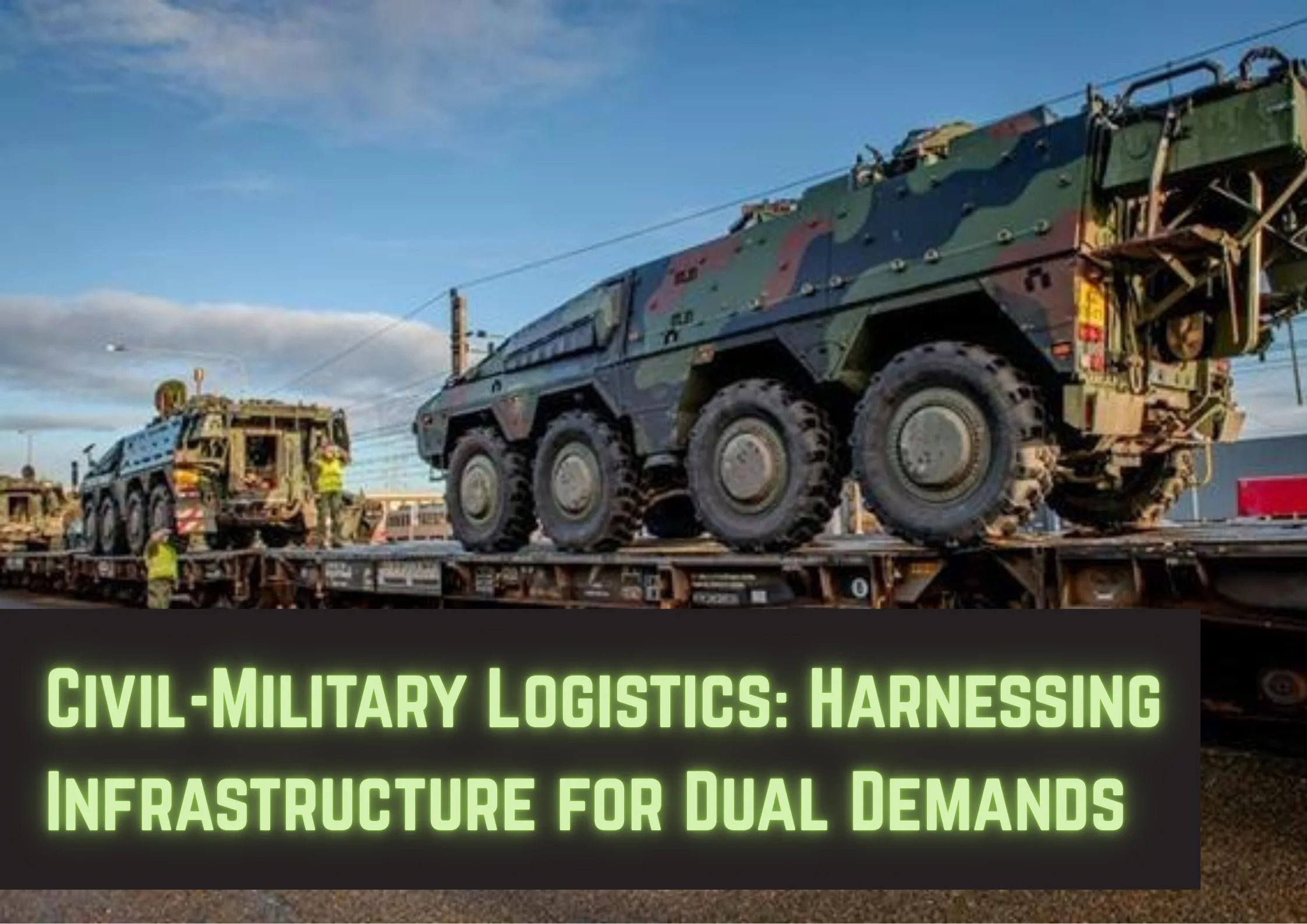
Military vehicles on transport trucks

Civil Military Logistics: Harnessing Infrastructure for Dual Demands

Civil military logistics is the practice of designing and using the same infrastructure to serve both commercial supply chains and military mobility. Roads, rail corridors, ports, airports, warehouses, and digital networks aren’t duplicated for each purpose; they’re shared, coordinated, and, when done right, optimized for two very different kinds of demand. If you strip it

Civil Military Logistics: Harnessing Infrastructure for Dual Demands Read More »

Tanks in a row heading somewhere with diagonal line shot

NATO Logistics Partnerships Under Strain from US & EU Rift

Let’s be direct: logistics is the backbone of NATO, and when political alignment weakens, the first cracks often show up in how fast, how cheaply, and how reliably forces and supplies can move across borders. Tensions between the U.S. and parts of Europe don’t automatically break NATO. But they stress the logistics partnerships that make

NATO Logistics Partnerships Under Strain from US & EU Rift Read More »

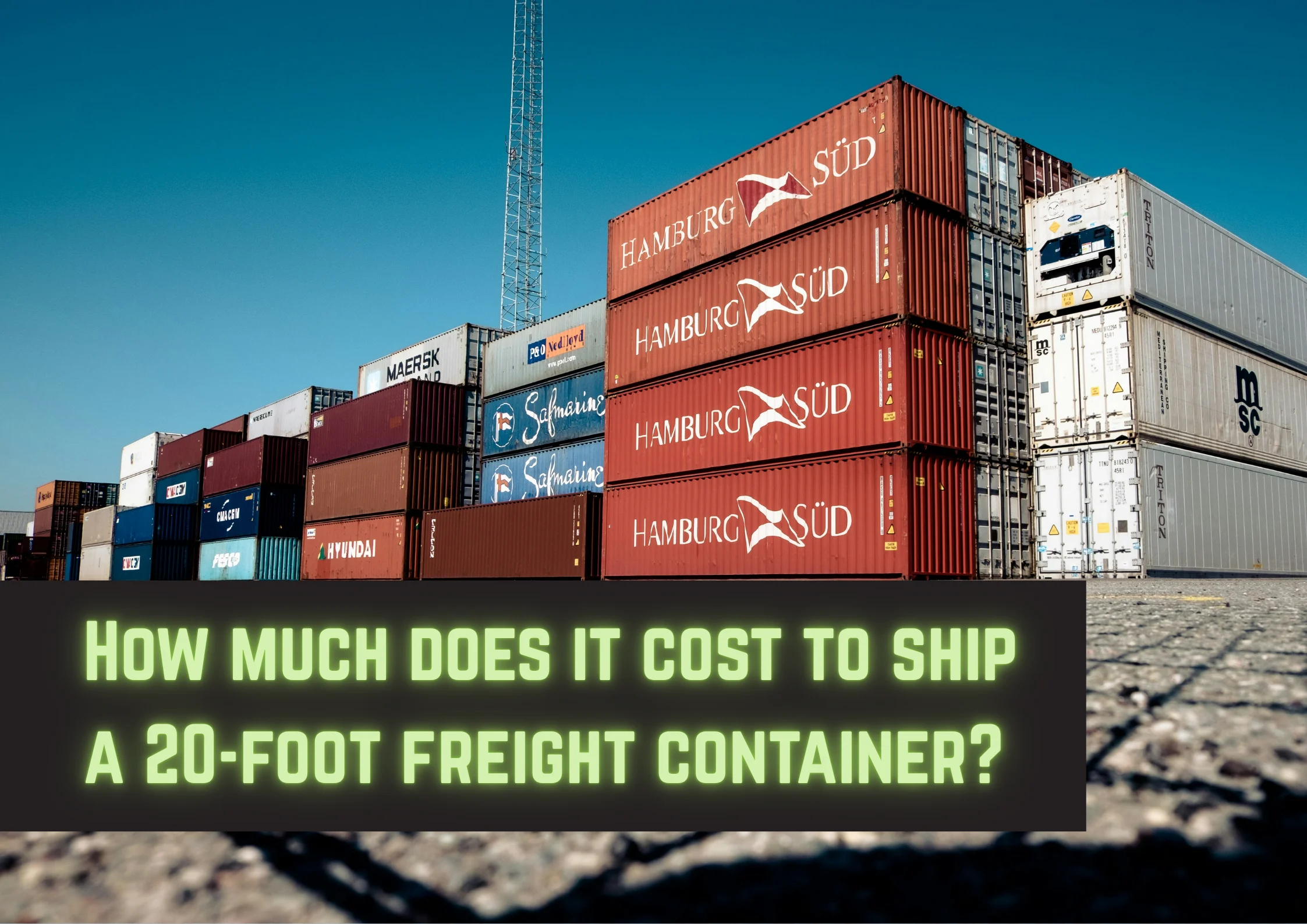
Shipping containers in a lot

How much does it cost to ship a 20-foot freight container?

Let’s cut through the noise and give you a real-world answer: Shipping a 20-foot freight container typically costs between $1,500 and $5,000 for ocean freight alone, and $2,000 to $9,500+ for a full end-to-end move depending on route and complexity. But that number only makes sense once you understand what’s actually included and what’s not.

How much does it cost to ship a 20-foot freight container? Read More »

Shipping container on the water

How much does it cost to ship a 20 foot container?

Shipping containers typically costs between $1,500 and $5,000 for ocean freight alone, and $2,000 to $9,500+ total when you include full logistics (ports, trucking, fees). That range isn’t random. It depends heavily on where it’s going, how it’s moving, and how complicated the move is. Let’s break it down so you actually understand what you’ll

How much does it cost to ship a 20 foot container? Read More »

shot of a box about to be shipped

How much does a 100 lb package cost to ship?

Here’s the straight answer: shipping a 100 lb package typically costs between $150 and $600 domestically, and $400 to $1,500+ internationally. That’s a wide range; but it’s honest. Shipping isn’t priced off weight alone. It’s a combination of distance, speed, dimensions, and carrier. Let’s break it down so you actually understand what you’d pay and

How much does a 100 lb package cost to ship? Read More »

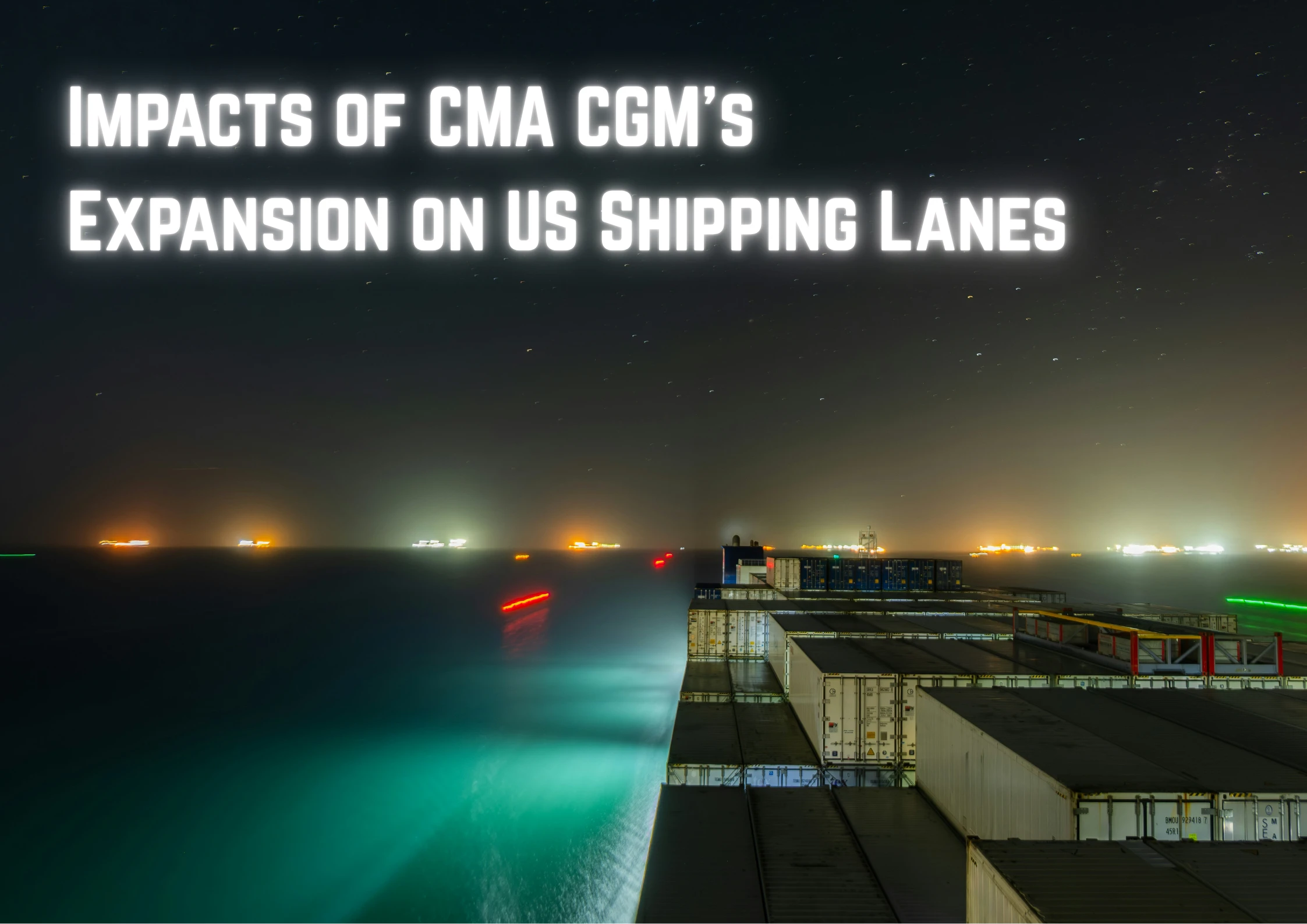
Shipping lanes image

Impacts of CMA CGM’s Expansion on US Shipping Lanes

CMA CGM isn’t just expanding, it’s redefining what a shipping company actually is. For years, ocean carriers played a relatively narrow role. They moved containers from port to port and handed them off. That was the model. But CMA CGM has been aggressively stepping beyond that boundary, building a fully integrated logistics ecosystem that stretches

Impacts of CMA CGM’s Expansion on US Shipping Lanes Read More »

Logistics Investments image of american pin on top of a dollar

CGM’s $20B U.S. Logistics Investment & What It Means for Ports

Strategic Expansion Beyond Ocean Shipping Let’s call it what it is; this isn’t just an investment. It’s a land grab. CMA CGM isn’t thinking like a traditional ocean carrier anymore. It’s thinking like a full scale logistics empire. The $20 billion investment into U.S. logistics isn’t about moving more containers across oceans it’s about controlling

CGM’s $20B U.S. Logistics Investment & What It Means for Ports Read More »

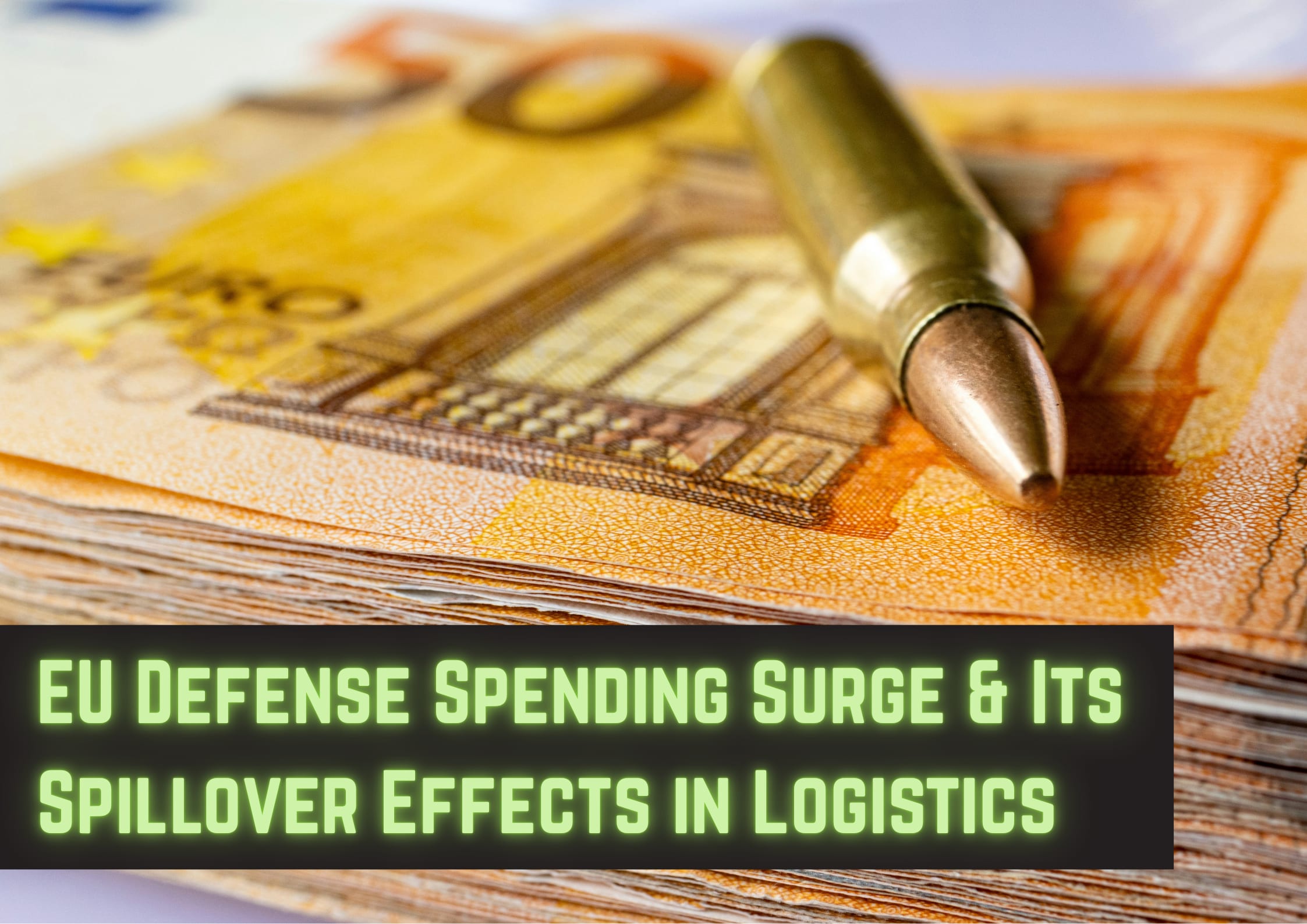
angle shot of money stack with a bullet on top to represent defense spending in the EU

EU Defense Spending Surge & Its Spillover Effects in Logistics

Geopolitical Tensions Driving Military Investment Europe is spending on defense like it hasn’t in decades and that shift is quietly reshaping logistics in ways most businesses haven’t fully grasped yet. The catalyst is obvious: rising geopolitical tension. Conflicts near Europe’s borders, increased uncertainty in global alliances, and a growing need for self-reliance have forced governments

EU Defense Spending Surge & Its Spillover Effects in Logistics Read More »

Shot that is far away showing emissions

Roadmap to Zero Emission Delivery: Challenges & Opportunities

Why Logistics Is Under Pressure to Decarbonize Logistics has quietly become one of the biggest contributors to global emissions and now it’s under a microscope. Every package delivered, every pallet moved, every mile driven by diesel-powered fleets adds up. Transportation alone accounts for a massive share of emissions, and freight is one of the hardest

Roadmap to Zero Emission Delivery: Challenges & Opportunities Read More »

Cargo ship heading into the ocean

Why US & EU Trade Swings Demand Real Time Logistics Visibility

One of the World’s Largest Trade Relationships The economic relationship between the United States and the European Union represents one of the most significant trade partnerships in the world. Every year, trillions of dollars’ worth of goods and services flow across the Atlantic Ocean, connecting industries ranging from automotive manufacturing and pharmaceuticals to aerospace and

Why US & EU Trade Swings Demand Real Time Logistics Visibility Read More »

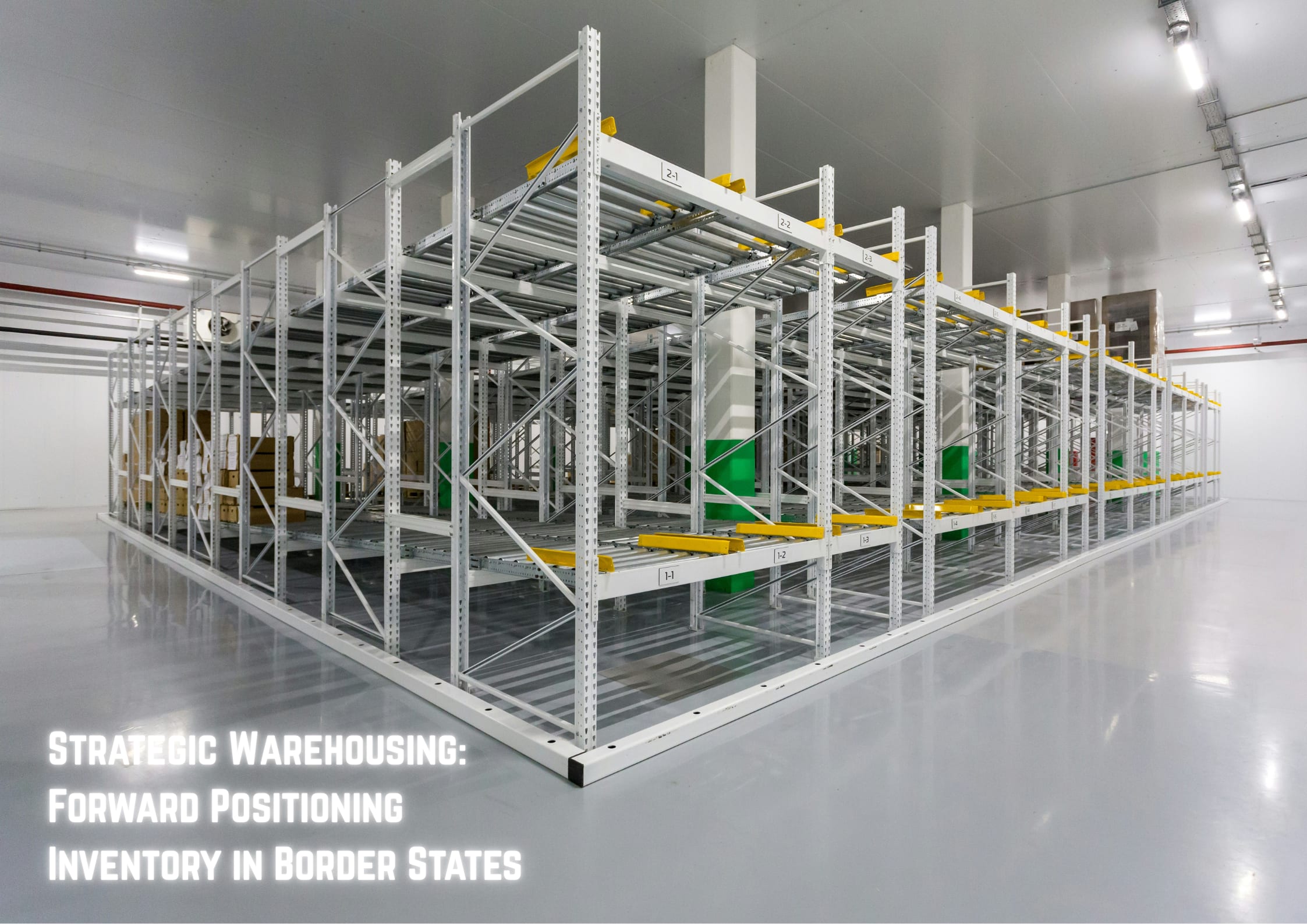
Racking system in a warehouse

Strategic Warehousing: Forward Positioning Inventory in Border States

Supply Chain Volatility and Trade Uncertainty For decades, supply chains were built around centralized distribution. Companies produced goods in large manufacturing hubs, stored inventory in major inland warehouses, and shipped products across national markets as demand arose. This model prioritized efficiency, scale, and cost reduction. But modern supply chains no longer operate in such predictable

Strategic Warehousing: Forward Positioning Inventory in Border States Read More »

Man stacking coins

Budgeting Under Pressure: Handling Cost Shocks in Logistics Operations

The Rise of Volatile Freight Markets For decades, logistics budgeting followed relatively predictable patterns. Freight rates moved gradually, fuel prices fluctuated within manageable ranges, and supply chain planners could estimate transportation costs with reasonable confidence. Companies built annual logistics budgets assuming incremental changes rather than sudden disruptions. That era of stability has largely disappeared. Modern

Budgeting Under Pressure: Handling Cost Shocks in Logistics Operations Read More »

Scroll to Top