Ever feel like logistics is one big game of Tetris? You’ve got freight arriving from multiple locations, different delivery timelines, international shipments that need customs clearance, customers expecting same-day fulfillment and somehow, it’s your job to make all the pieces fit. So you start asking questions like: “Should I warehouse this load or just cross-dock it?”, “Should I transload at the port or ship direct to DC?”, “Can I combine warehousing, cross-docking, and transloading… or is that overkill?” Here’s the good news: Yes, you can combine them and when you do it right, it’s a total logistics power move.
These three services warehousing, cross-docking, and transloading aren’t competing strategies. They’re flexible tools that can (and should) work together in a well-oiled supply chain. In this guide, we’re going to unpack:
- What each service actually means (no fluff)
- The key differences between them
- How and why they complement each other
- Scenarios where combining all three makes sense
- Real world examples
- Tips to build a unified logistics plan that’s fast, flexible, and cost-effective
Let’s connect the dots—because smart logistics isn’t about doing more, it’s about doing it smarter.
What is Crossdocking ? (Read our Article here)
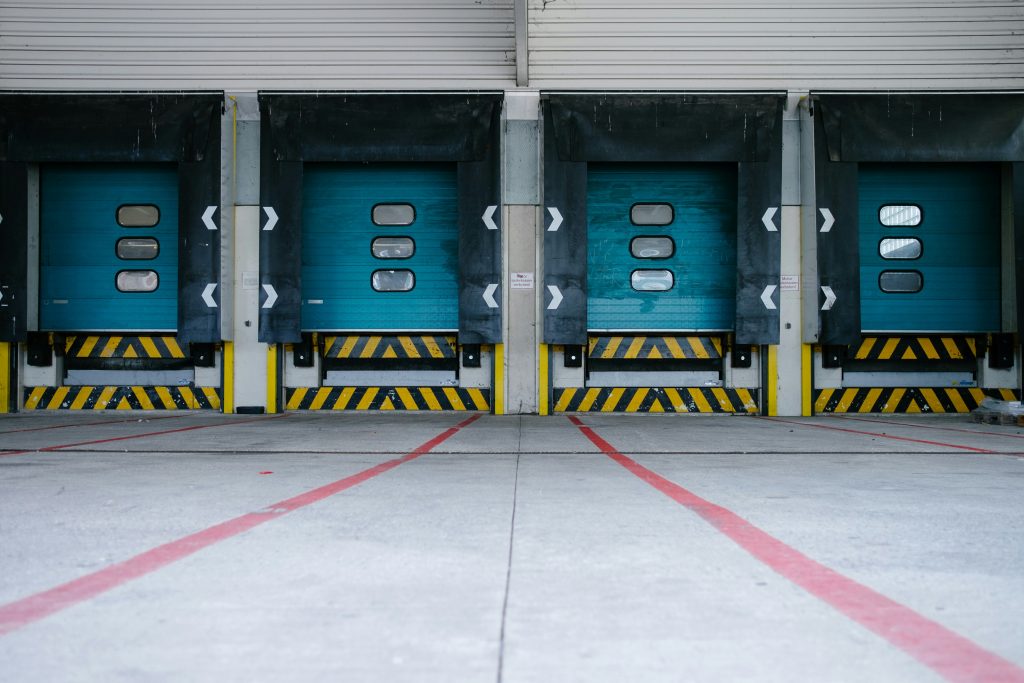
Crossdocking is a logistics method where incoming freight is unloaded, sorted, and shipped out with little to no storage time. Instead of sitting on shelves, products flow directly from the receiving dock to outbound transportation.
Benefits of crossdocking:
- Faster delivery – Goods reach stores or customers within hours.
- Lower storage costs – Reduces the need for warehousing.
- Fewer handling steps – Less damage and labor.
- Improved inventory turnover – Products move quickly and efficiently.
Let’s Define the Logistics Trio
Before we build a combined plan, let’s make sure we’re speaking the same language.
1. Warehousing This is your long-term storage solution. Goods arrive, are stored in a facility (usually palletized or shelved), and sit until they’re picked, packed, and shipped to their next destination.
Best for:
- Products with uncertain or delayed demand
- Inventory storage for eCommerce or B2B distribution
- Managing stock levels across seasons
- Fulfillment operations (pick and pack, kitting, etc.)
2. Cross-Docking This is fast, in-and-out freight handling.
Inbound products are received at a dock, sorted, and quickly transferred to outbound trucks—often within hours, not days. There’s little to no storage involved.
Best for:
- Time-sensitive shipments
- Perishables or products with short shelf lives
- Consolidating freight from multiple sources
- Breaking bulk loads into store-level shipments
3. Transloading This is the mode-to-mode transition hero. Goods are unloaded from one type of transport (like a 40-ft ocean container) and reloaded onto another (like a 53-ft domestic trailer or railcar). It’s often used near ports, rail hubs, or border crossings.
Best for:
- International-to-domestic handoffs
- Maximizing trailer/container space
- Speeding up container returns to ports
- Reducing long-haul trucking costs
How Are They Different? Here’s a quick cheat sheet to highlight how they differ:
|
Feature |
Warehousing |
Cross-Docking |
Transloading |
|
Storage Time |
Days to months |
Hours |
Usually under 24 hours |
|
Primary Purpose |
Long-term inventory holding |
Fast transfer to outbound |
Mode switching & container optimization |
|
Location |
Near customers or regionals |
At DCs or terminals |
Near ports, rail hubs, borders |
|
Best For |
eComm, seasonal, B2B |
Retail replenishment, perishable goods |
International/domestic transitions |
Now the fun part how do you use all three in a single plan? Let’s break it down.
Why Combine Warehousing, Cross-Docking, and Transloading? Because your supply chain is not one-size-fits-all. Some SKUs need to sit in storage. Others are flying off the shelves. Some loads need to be split for multiple stores. Others just need a mode switch to save costs.
A hybrid strategy gives you:
- Speed where needed (cross-docking)
- Storage for slower-moving goods (warehousing)
- Flexibility for inbound/outbound modes (transloading)
Instead of locking yourself into a single method, combining all three lets you:
- Adapt to changing customer demand
- Handle international freight more efficiently
- Balance long-term and short-term inventory
- Reduce transportation and labor costs
- Improve service levels across the board
It’s like having a Swiss Army knife for your logistics.
How to Combine All Three Services in One Plan
Here’s the blueprint.
Step 1: Transload at the Port or Rail Hub Let’s say your freight arrives in a 40-ft ocean container.
Instead of hauling it inland, you transload it within 5–10 miles of the port:
- Break it down
- Consolidate it into 53-ft domestic trailers
- Repackage if needed
- Return the container early (bye-bye, detention fees)
Bonus: You can sort freight by urgency right here. Time-sensitive loads go to cross-dock. Others to warehouse.
Step 2: Route Some Freight to a Cross-Docking Facility Got urgent shipments? Move them straight to a cross-dock setup:
- Sort and label products for individual store or customer delivery
- Load them onto outbound trucks within hours
- No storage needed
Result: Your high-turn SKUs get where they need to go same-day or next-day, saving time and reducing handling costs.
Step 3: Send Remaining Goods to Warehousing The rest of your freight goes to long-term storage, such as:
- Seasonal items
- Overstock inventory
- Slower moving SKUs
- Products awaiting demand spikes
Here, your goods:
- Get tracked in WMS systems
- Sit securely in pallet racking or bins
- Are picked, packed, and shipped when needed
And guess what? That same warehouse can also act as a future cross-dock during peak season. Flexibility = power.
Step 4: Rebalance as Needed Your plan doesn’t need to be static. One week, your goods may move from transload → cross-dock → delivered.
Next month, the same product may go transload → warehouse → cross-dock → delivered. A unified plan gives you room to adapt, based on:
- Customer demand
- Market conditions
- Inventory levels
- Transportation costs
Top Benefits of Combining the Three
1. Cost Savings
- Avoid detention fees with faster container return
- Cut down on unnecessary long-haul trips
- Optimize space with transload consolidation
- Store only what you need—cross-dock the rest
2. Faster Fulfillment By splitting urgent and regular freight early in the process, you meet delivery expectations without overextending your fleet or warehouse.
3. Reduced Touchpoints = Less Damage Less loading and unloading = fewer broken items, lower claims, and happier customers.
4. Scalability During Peak Season A hybrid model lets you scale up or down based on:
- Sales trends
- Inventory availability
- Labor capacity
More flexible = more resilient.
5. Supports Omni-Channel Logistics Whether you’re shipping to:
- Retail stores
- eCommerce shoppers
- Regional partners
- Wholesalers
…a blended strategy covers all your bases.
Tips for Building a Unified Logistics Plan
1. Choose the Right Location Pick a facility (or network of facilities) that:
- Is close to ports or rail for transloading
- Has cross-dock infrastructure
- Offers scalable warehousing
Bonus if they’re all under one roof or managed by the same 3PL.
2. Invest in a WMS/TMS System You need visibility across:
- Inventory
- Inbound/outbound status
- Dock schedules
- Shipment tracking
Tech keeps it all synchronized.
3. Partner with a Full-Service 3PL Instead of juggling multiple providers:
- Find a logistics partner that offers transloading, cross-docking, and warehousing under one contract
- They’ll help you create a seamless workflow
4. Standardize Load Handling Use universal pallet sizes, barcodes, and documentation to make transitions between services fast and smooth.
5. Measure, Adjust, Repeat Track KPIs like:
- Lead time
- Cost per shipment
- Inventory turnover
- Container dwell time
- Damage claims
Then adjust your strategy regularly to optimize performance. So can you combine warehousing, cross-docking, and transloading in one plan? Absolutely. In fact, some of the smartest, most resilient supply chains in the world are already doing it. By combining these three logistics strategies, you unlock:
- Flexibility to adapt
- Speed where it counts
- Savings across transportation and storage
- A more connected, efficient, and agile supply chain
Whether you’re a growing brand or a global giant, using these tools together helps you move freight smarter not harder. So go ahead stack those Tetris blocks with confidence. Your supply chain just got a whole lot stronger.