
Rework services: Once seen as a costly operational necessity, are rapidly transforming into strategic advantages thanks to continuous technological innovation. As supply chains become more complex and customer expectations rise, the old ways of managing defects and returns simply don’t keep up. New technology is reshaping how rework is executed, tracked, analyzed, and integrated into broader logistics systems.
Instead of reactive fixes, modern rework services are proactive, data-driven, and seamless. In this article, we’ll walk through the most exciting advances why they matter, how they work, and what they mean for businesses that depend on flawless execution.
What is Crossdocking ? (Read our Article here)
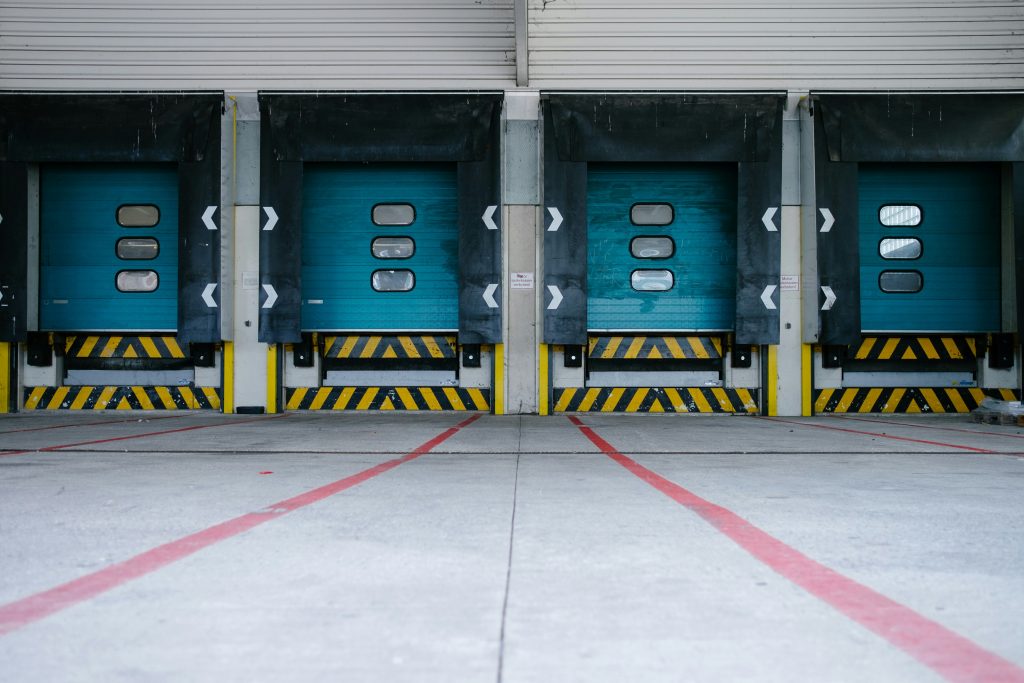
Crossdocking is a logistics method where incoming freight is unloaded, sorted, and shipped out with little to no storage time. Instead of sitting on shelves, products flow directly from the receiving dock to outbound transportation.
Benefits of crossdocking:
- Faster delivery – Goods reach stores or customers within hours.
- Lower storage costs – Reduces the need for warehousing.
- Fewer handling steps – Less damage and labor.
- Improved inventory turnover – Products move quickly and efficiently.
From Post Mortem Fixes to Predictive Rework: How AI Is Changing the Game
One of the biggest shifts in rework logistics is the integration of artificial intelligence (AI). Historically, rework was initiated after a defect was discovered. Today, AI models trained on historical quality data can highlight patterns long before issues surface, enabling:
- Early detection of defect trends
- Predictive identification of likely failure modes
- Smart routing of suspect batches for inspection preemptively
AI doesn’t eliminate defects, but it shifts rework from firefighting to forecasting. Imagine knowing which production batches are most likely to require rework before they ever leave the factory. That’s the promise many organizations are already realizing.
Source: Supply chain analysts note that AI and machine learning improve defect prediction and reduce rework frequency by analyzing production and quality data holistically.
Digital Twins: Virtual Mirrors of Real Operations
Another breakthrough with big implications for rework services is the rise of digital twin technology. A digital twin is a virtual representation of a physical object, process, or system that updates in real time based on live data.
In rework logistics, digital twins can:
- Simulate rework workflows before execution
- Identify bottlenecks in staging or repair processes
- Model alternative routing and labor allocation
- Test quality outcomes before committing to execution
Instead of trial-and-error at the dock or in the repair bay, businesses can perform virtual rehearsals to refine their approach. This saves time, reduces errors, and builds confidence that the real-world rework will go smoothly.
Real-Time Tracking: Visibility That Extends Through Rework Chains A common frustration with rework has traditionally been the lack of visibility: parts go in, quality fixes happen, and status updates lag behind or are unclear.
That’s changing fast thanks to IoT tracking and connected systems. With sensors, RFID tags, and cloud platforms, every unit in a rework queue can be:
- Tracked from intake
- Monitored during repair or testing
- Verified on completion
- Routed automatically back into deployment
This digital continuity makes rework less chaotic and more reliable. Customers and internal stakeholders alike can check status with real-time dashboards rather than outdated reports.
Source: Studies on Industry 4.0 show that connected systems significantly improve traceability and reduce rework cycle times.
Automated Diagnostics and Robotics: Faster, Safer, Smarter Rework
Rework isn’t just about fixing something that’s broken; it’s about doing it efficiently and consistently. Manual inspection and repair take time and are prone to human inconsistency. That’s where automation and robotics come in.
Today’s rework facilities are integrating:
- Automated diagnostic stations that scan and categorize defects
- Collaborative robots (cobots) that handle repetitive physical tasks
- Smart tooling that guides technicians through precise correction steps
- Vision systems that inspect with machine-grade accuracy
The benefits are clear: reduced labor strain, fewer errors, faster throughput, and improved safety.
Example: In electronics rework, automated test fixtures can validate functional performance in minutes instead of hours.
Cloud-Connected Workflows: Eliminating Data Silos
One of the biggest challenges in traditional rework was information fragmentation. Quality teams, production planners, logistics operators, and service partners often worked in disconnected systems.
Cloud platforms unify these functions. Once a part enters the rework queue:
- Quality data is logged
- Work instructions are delivered digitally
- Status updates sync across supply chain teams
- Completion triggers automated next steps
Cloud connectivity ensures that every stakeholder; whether in procurement, operations, or customer service sees the same truth in real time. The result is faster decisions and fewer surprises.
Mobile Work Execution: Rework on the Go
Advances in mobile technology are also influencing rework efficiency. Technicians now use tablets and handheld devices to:
- Access step-by-step repair instructions
- Scan parts for status and history
- Update progress instantly
- Capture images for quality documentation
Mobile tools reduce dependence on printed work orders and cut down errors from outdated instructions. They also make it easier to scale rework teams quickly, since information goes where the work is happening.
Augmented Reality (AR) Guidance: Training and Precision Combined
One of the most exciting innovations is augmented reality. AR doesn’t just entertain shoppers in stores; it assists technicians on the repair floor.
Using AR headsets or mobile displays, technicians can:
- Visualize repair steps overlaid on the physical part
- Receive guided instructions without flipping through manuals
- Validate orientation and sequencing instantly
- Reduce training time and error rates
For complex rework tasks, AR acts as a productivity multiplier – making every technician more accurate and confident.
Blockchain for Accountability and Audit Trails
Rework often intersects with compliance, warranty claims, and regulatory reporting. Blockchain can solidify trust by providing an immutable audit trail that shows:
- Who handled the item
- What corrective actions were taken
- When testing was performed
- Where the part moved in the supply chain afterward
This level of accountability improves visibility and reduces disputes with customers and partners.
Advanced Analytics and Continuous Improvement Cycles
Technology isn’t only changing execution; it’s changing decision-making. With advanced analytics, organizations can:
- Identify the most frequent defect patterns
- Measure rework cycle efficiency over time
- Forecast capacity needs
- Prioritize corrective actions based on impact
Instead of treating rework as a cost bucket, analytics helps turn it into a managed performance metric that drives continuous improvement.
Integrating Rework into Broader Supply Chain Systems
All of these technologies are most powerful when rework is not an isolated process, but part of an integrated logistics ecosystem. For example:
- ERP systems update inventory automatically after rework completion
- Transportation systems route corrected parts for delivery without manual handoffs
- Demand planners adjust forecasts based on rework throughput
- Quality leaders use operational dashboards to inform upstream design
This systems-level thinking transforms rework services from a reactive cleanup into a predictive supply chain function.
What All This Means for Your Business
The rise of technology in rework services isn’t a trend; it’s a structural transformation. Organizations adopting these tools are seeing:
- Fewer line stops and production delays
- Faster turnaround on quality issues
- Better resource utilization
- Higher confidence in product reliability
- Stronger customer trust
Perhaps most importantly, rework becomes an asset rather than a liability; something the supply chain can manage proactively instead of constantly chasing.
Rework Is Becoming a Capability, Not a Question
Today’s advances in AI, connectivity, automation, and analytics are reshaping rework services into a strategic logistics capability. Whether you’re managing a high-volume production line, a complex parts network, or field service operations, the technology available now makes rework smarter, faster, and more integrated than ever before. In an environment where speed and quality matter, these innovations are not just improvements; they’re enablers of operational confidence and growth.