
Tariffs have become a defining factor for shippers moving electronics and defense-related goods across borders. These categories sit at the crossroads of trade policy, national security, and advanced manufacturing, which means tariff shifts can arrive quickly and carry significant consequences. For shippers, the challenge isn’t just cost; it’s maintaining continuity, compliance, and confidence in an environment that is constantly evolving.
The good news is that shippers who approach tariffs strategically are not just surviving these changes: they’re building stronger, more disciplined supply chains. This playbook outlines how forward-thinking shippers are navigating tariffs across electronics and defense goods with clarity and control.
What is Crossdocking ? (Read our Article here)
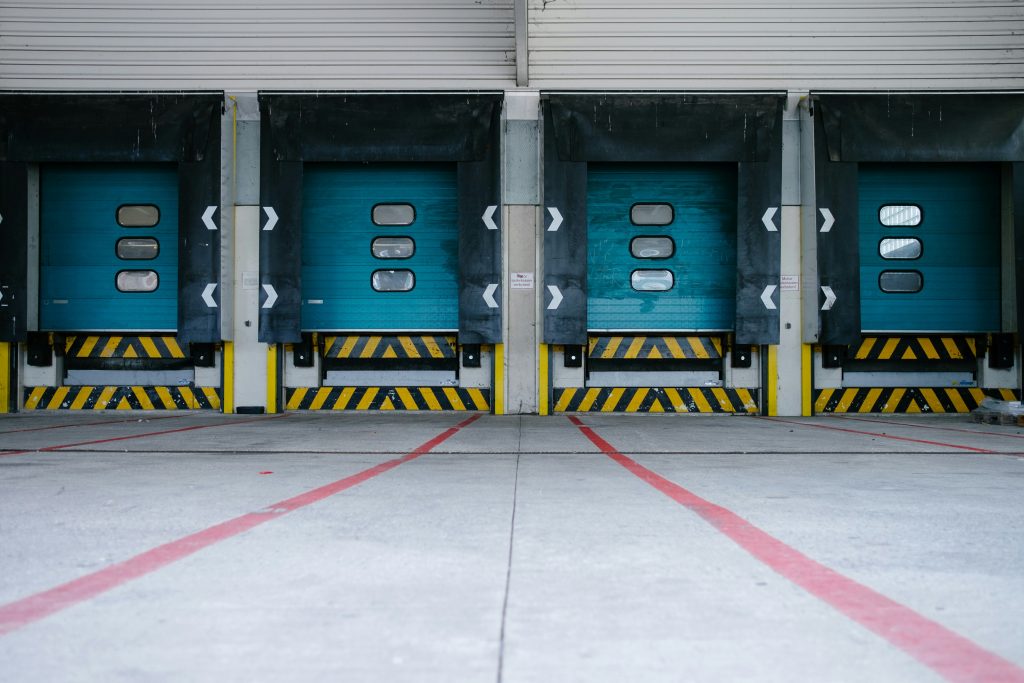
Crossdocking is a logistics method where incoming freight is unloaded, sorted, and shipped out with little to no storage time. Products flow directly from the receiving dock to outbound transportation.
Benefits of crossdocking:
- Faster delivery – Goods reach stores or customers within hours.
- Lower storage costs – Reduces the need for warehousing.
- Fewer handling steps – Less damage and labor.
- Improved inventory turnover – Products move quickly and efficiently.
Why Electronics and Defense Goods Are Uniquely Exposed
Electronics and defense products share a few defining characteristics: high value, complex components, and strict regulatory oversight. Many items are built from globally sourced parts, often crossing borders multiple times before final assembly or deployment. Tariffs amplify that complexity. A single change in trade policy can affect components, subassemblies, and finished goods differently. For defense-related shipments, additional layers of export controls and security requirements raise the stakes even further. This environment rewards preparation over reaction.
Step One: Treat Tariffs as a Design Constraint
The most effective shippers don’t treat tariffs as surprises—they treat them as design constraints. Just like lead time or capacity, tariffs become part of how the supply chain is architected. This means understanding where tariff exposure exists across:
- Components versus finished goods
- Intermediate border crossings
- Assembly and testing locations
Once mapped, shippers can redesign flow paths to reduce unnecessary exposure without compromising performance.
Strategic Classification and Product Segmentation
In electronics and defense logistics, classification accuracy matters immensely. Small differences in product description or HS code can result in large cost swings. Leading shippers invest in rigorous classification discipline, often segmenting products by tariff sensitivity. High exposure items receive special routing, handling, or sourcing strategies, while lower-risk goods flow through standard channels. This segmentation keeps decision making focused and avoids blanket responses that increase cost unnecessarily.
Using Regionalization to Stabilize Cost
One of the most effective tariff responses across electronics and defense supply chains is regionalization. By moving more assembly, configuration, or final integration closer to end markets, shippers reduce repeated tariff events and gain predictability. For electronics, this might involve regional configuration or testing centers. For defense goods, it often means aligning logistics flow with approved regional suppliers and facilities. Regionalization doesn’t eliminate global sourcing: it reduces friction where it matters most.
Transloading and Controlled Entry Points
Transloading has become a key tactic for tariff navigation. By separating long-haul international transport from regional distribution, shippers gain control over where and when goods formally enter commerce. This is particularly valuable for electronics and defense goods, where timing, documentation, and inspection readiness are critical. Transload facilities allow shipments to be reconfigured, consolidated, or staged while maintaining compliance and security. Control creates flexibility without sacrificing speed.
Bonded and In-Transit Strategies for Sensitive Goods
For high-value or sensitive shipments, bonded and in-transit strategies provide breathing room. These approaches allow goods to move or be staged without immediately triggering duties, giving shippers time to finalize routing or documentation decisions. In defense logistics, this also supports tighter chain-of-custody controls. For electronics, it helps manage tariff exposure while maintaining rapid response to demand changes. Used correctly, bonded strategies are a stabilizer; not a delay.
Compliance as a Core Logistics Capability
Electronics and defense shippers operate in environments where compliance is inseparable from logistics. Tariffs heighten this reality. Strong compliance programs focus on:
- Accurate valuation and origin tracking
- Clean documentation across every movement
- Close coordination with customs and regulatory partners
When compliance is embedded into logistics execution, tariff changes are absorbed smoothly rather than triggering disruption.
Technology-Driven Scenario Planning
Tariff volatility makes scenario planning essential. Shippers are increasingly using digital tools to model how tariff changes affect cost, lead time, and risk across their networks. These models allow teams to answer practical questions quickly. What happens if a tariff increases? Which routes become less viable? Where does regional assembly become cost effective? With scenarios already built, response time shrinks dramatically when policy changes occur.
Supplier and Partner Alignment
Tariff navigation is not a solo effort. Electronics and defense shippers are deepening collaboration with suppliers, carriers, and logistics providers to share visibility and coordinate responses. Suppliers that can adjust packaging, staging, or shipping cadence become strategic assets. Logistics partners with regulatory expertise help anticipate issues before they arise. Alignment reduces surprises and strengthens execution under pressure.
Protecting Security While Improving Flow
Defense and high-end electronics shipments demand high security, even as speed and efficiency remain critical. Tariff-driven changes have pushed shippers to refine security practices without adding friction. Better tracking, controlled access points, and clear audit trails support both compliance and operational flow. Security and efficiency no longer compete; they reinforce each other.
Turning Tariff Pressure Into Operational Discipline
One of the most encouraging outcomes is that tariff pressure has driven better operational discipline. Supply chains that once relied on assumptions are now built on data, visibility, and structured decision making. This discipline pays dividends beyond tariffs. It improves forecasting, reduces waste, and increases resilience across all market conditions.
A Playbook Built for Ongoing Change
Tariffs will continue to evolve, particularly in sectors tied to technology and national security. The goal isn’t to predict every policy shift; it’s to build a logistics system that adapts naturally. Electronics and defense shippers who follow this playbook focus on flexibility, compliance, and intelligent design. They move with confidence even when the rules change.
Control, Confidence, and Continuity
Navigating tariffs across electronics and defense goods is complex; but it’s manageable with the right approach. By treating tariffs as a planning input, leveraging regionalization and transloading, strengthening compliance, and aligning with partners, shippers turn uncertainty into structure. This playbook isn’t about avoiding change. It’s about operating confidently within it; and building supply chains that remain secure, compliant, and competitive no matter how trade policy evolves.