
Energy supply chains are in the middle of a historic realignment, and nowhere is that more visible than in the evolving relationship between US LNG exports and EU energy investment commitments. What began as a response to energy security concerns has matured into a long-term restructuring of how energy is sourced, financed, transported, and consumed across the Atlantic.
Plus, rather than instability, what we’re seeing is intentional diversification. The US and EU are aligning supply, infrastructure, and capital in ways that create flexibility, resilience, and opportunity; especially for the logistics, shipping, and industrial ecosystems that support energy movement.
What is Crossdocking ? (Read our Article here)
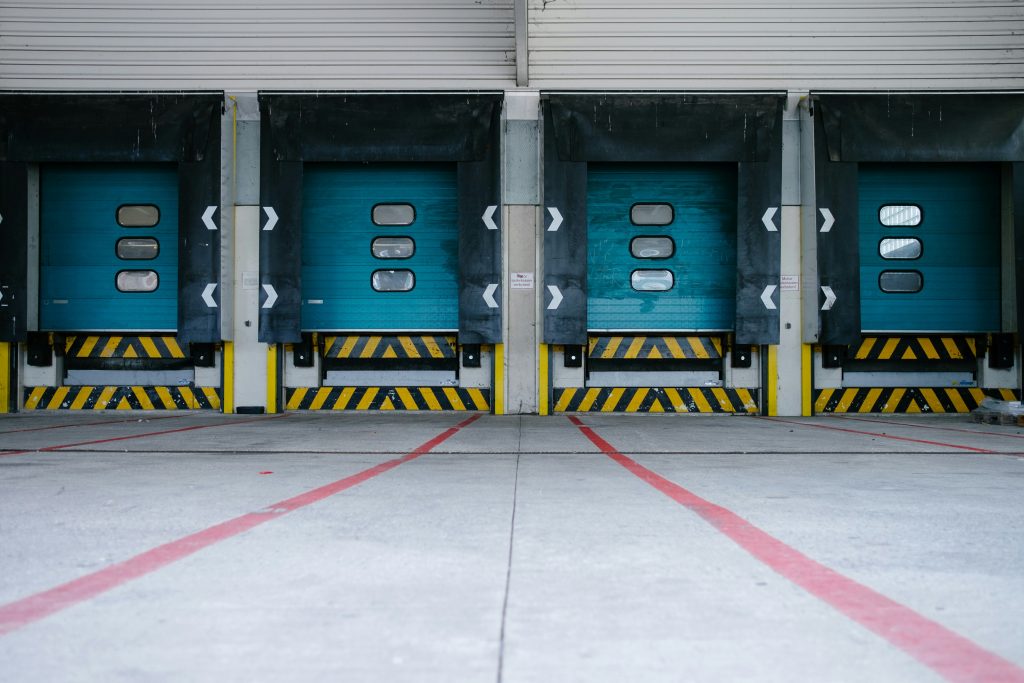
Crossdocking is a logistics method where incoming freight is unloaded, sorted, and shipped out with little to no storage time. Products flow directly from the receiving dock to outbound transportation.
Benefits of crossdocking:
- Faster delivery – Goods reach stores or customers within hours.
- Lower storage costs – Reduces the need for warehousing.
- Fewer handling steps – Less damage and labor.
- Improved inventory turnover – Products move quickly and efficiently.
Why Energy Supply Chains Are Being Rewritten
Energy has always been geopolitical, but recent years have made that reality impossible to ignore. Supply disruptions, price volatility, and security concerns pushed governments and private industry to rethink dependence on single sources or routes. For the EU, this meant accelerating diversification away from concentrated suppliers. For the US, it created a clear role as a reliable LNG supplier with scalable production and export capacity. The result is not a temporary surge, but a structural shift in how energy flows between regions.
The Rise of US LNG as a Strategic Supply Anchor
US LNG has moved from optional to essential in the EU’s energy mix. Flexible contracts, transparent pricing mechanisms, and expanding export infrastructure have made American LNG an attractive long-term solution. From a supply chain perspective, this has transformed LNG logistics into a strategic backbone. Export terminals, specialized vessels, regasification facilities, and downstream distribution networks are now planned with long-term continuity in mind rather than short-term arbitrage. Stability, not speed alone, is the new priority.
EU Investment Commitments Signal Long-Term Intent
One of the most important developments is the scale of EU investment in energy infrastructure. Rather than relying solely on spot market imports, European governments and private entities are committing capital to ensure capacity exists to receive, process, and distribute LNG efficiently. These investments include:
- Regasification terminals
- Storage facilities
- Pipeline interconnections
- Port and terminal upgrades
Each investment strengthens the supply chain and reduces bottlenecks, making energy flow more predictable and resilient.
Logistics at the Center of Energy Reliability
Energy supply chains don’t function without logistics excellence. LNG logistics, in particular, require precision, coordination, and reliability at every step. From liquefaction at US terminals to ocean transport and European distribution, timing and synchronization matter. Investment in scheduling systems, port coordination, and vessel availability ensures that energy moves steadily rather than reactively. Logistics has become a strategic enabler of energy security, not just a support function.
Shipping Capacity and Fleet Modernization
As LNG volumes increase, shipping capacity has evolved alongside them. LNG carriers are becoming more efficient, technologically advanced, and environmentally responsible. Modern vessels reduce boil-off losses, improve fuel efficiency, and support consistent delivery schedules. Fleet investment reflects confidence in sustained transatlantic LNG flows rather than short-lived demand spikes. Shipping is aligning with energy policy: not chasing it.
Financial Commitments Reinforce Supply Chain Confidence
Long-term investment commitments from the EU send a powerful signal to producers, logistics providers, and infrastructure developers. Capital flows where confidence exists, and confidence is built on policy alignment and predictable demand. For supply chains, this translates into:
- More stable contract structures
- Greater willingness to invest in capacity
- Improved long-term planning horizons
Energy logistics benefits when uncertainty is replaced by commitment.
Balancing Energy Security With Sustainability
You must also keep in mind an important part of the conversation is sustainability. While LNG is a fossil fuel, it plays a transitional role in reducing reliance on higher-emission sources while renewable capacity scales. Supply chain optimization contributes here as well. Efficient routing, modern vessels, reduced flaring, and better infrastructure utilization all lower the environmental footprint of LNG logistics. Energy security and sustainability are no longer treated as opposites; they are managed together.
Technology Strengthens Visibility and Coordination
Then you have advanced technology is playing a critical role in stabilizing energy supply chains. Real-time tracking, predictive analytics, and integrated planning tools allow stakeholders to anticipate disruptions and adjust proactively. Visibility across production, shipping, and delivery reduces risk and improves coordination between US exporters and EU importers. Technology turns complexity into confidence.
Economic Spillover Across Industries
Also, the ripple effects of US & EU energy alignment extend well beyond the energy sector. Ports, shipbuilders, engineering firms, logistics providers, and industrial manufacturers all benefit from sustained investment and activity. Energy supply chains act as an economic multiplier, supporting jobs, innovation, and regional development on both sides of the Atlantic.
Preparing for Long Term Energy Trade
The most important shift is mindset. The current phase of US LNG–EU cooperation is not treated as a stopgap; it’s being designed as a long-term trade relationship. That means supply chains are built for durability. Redundancy, flexibility, and investment discipline are prioritized over short-term optimization. This approach reduces vulnerability to future shocks.
Moment Matters for Supply Chain Leaders
For logistics and supply chain professionals, energy is no longer a background input. It’s a strategic factor that influences network design, capacity planning, and risk management. Understanding how US LNG and EU investment commitments interact helps leaders anticipate demand, allocate resources wisely, and align with long-term infrastructure trends.
Energy Supply Chains With Purpose
Above all, energy supply chains are indeed in flux; but that flux is guided by intent, investment, and collaboration. The growing alignment between US LNG supply and EU infrastructure commitment represents a mature, forward-looking approach to energy security. For supply chains, this is a moment of opportunity. Logistics, shipping, and infrastructure are no longer reacting to energy policy: they are helping shape it. The result is a more resilient, transparent, and future-ready energy ecosystem that benefits both regions.