
The proposed combination of DSV and Schenker represents one of the most significant moments in modern logistics. When two global powerhouses align at this scale, the impact extends far beyond Europe. Routes shift, capacity consolidates, technology accelerates, and customers across the world feel the ripple effects.
Rather than signaling disruption, the DSV–Schenker merger points to a new phase of global freight; one defined by scale with sophistication. For shippers, carriers, and supply chain leaders, this moment is less about uncertainty and more about understanding how the landscape is evolving.
What is Crossdocking ? (Read our Article here)
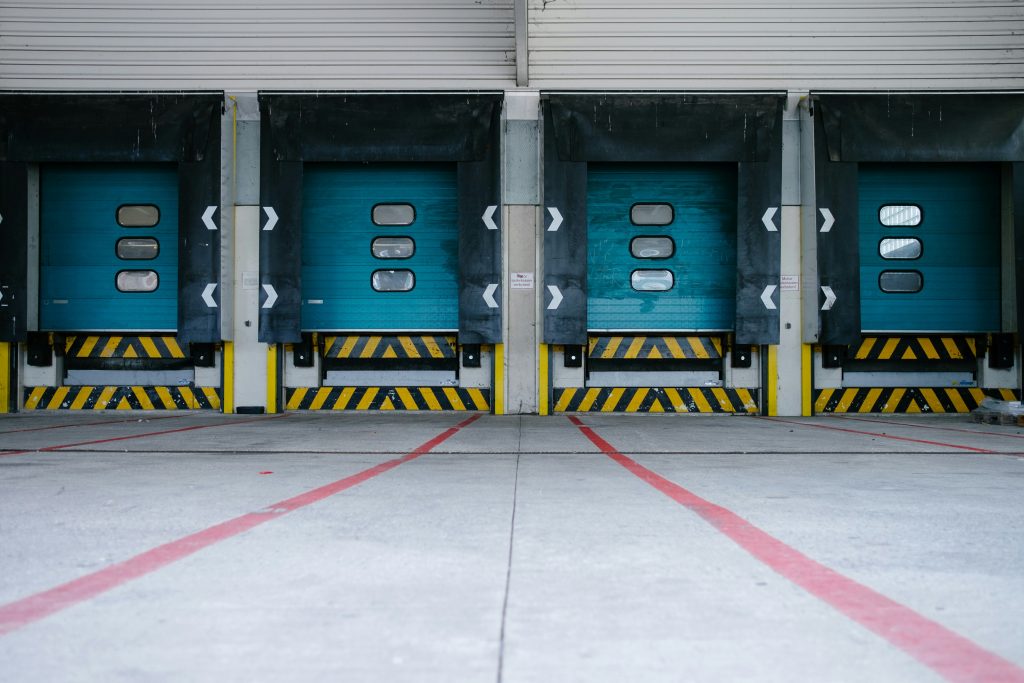
Crossdocking is a logistics method where incoming freight is unloaded, sorted, and shipped out with little to no storage time. Products flow directly from the receiving dock to outbound transportation.
Benefits of crossdocking:
- Faster delivery – Goods reach stores or customers within hours.
- Lower storage costs – Reduces the need for warehousing.
- Fewer handling steps – Less damage and labor.
- Improved inventory turnover – Products move quickly and efficiently.
Why This Merger Matters So Much
DSV and Schenker each bring deep strengths. DSV is known for its highly disciplined, asset-light operating model and exceptional execution across air, sea, road, and contract logistics. Schenker brings extensive European reach, strong rail and land transport capabilities, and a deeply embedded role in industrial and automotive supply chains. Together, they form a logistics network with:
- Unmatched European density
- Global air and ocean scale
- Strong multimodal and rail capabilities
- Deep enterprise and government relationships
This is not just a merger of size; it’s a merger of complementary capabilities.
Scale Without Losing Precision
One concern that often follows mega-mergers is whether scale leads to bureaucracy. The DSV–Schenker combination challenges that assumption. DSV’s historical approach to integration has focused on operational clarity, decentralization, and performance accountability. If that philosophy carries through, customers can expect scale to enhance reliability rather than dilute it. In practical terms, this means:
- Better buying power with carriers
- More stable capacity during peak cycles
- Greater flexibility across lanes and modes
Scale becomes an advantage only when execution remains sharp and this merger is built with that goal in mind.
What This Means for Global Freight Capacity
From a global freight perspective, the merger reshapes capacity access. A combined DSV–Schenker operation can negotiate more effectively across air cargo, ocean shipping, and inland transport. For shippers, this can translate into:
- More consistent space allocation
- Stronger alternatives during disruptions
- Better alignment between long haul and regional transport
In an era where capacity volatility is a constant concern, consolidation at this level brings a stabilizing influence.
Europe Becomes an Even Stronger Global Hub
Europe already plays a central role in global trade, and this merger reinforces that position. With dense networks across Germany, the Nordics, Central Europe, and key port regions, the combined entity strengthens Europe’s role as a logistics command center. Inland hubs, rail corridors, and port connectivity become more tightly integrated. This improves flow not just within Europe, but between Europe, North America, and Asia. For global manufacturers and distributors, Europe becomes easier to route through; not harder.
Multimodal Logistics Gets a Major Boost
One of the most exciting implications of the merger is its effect on multimodal logistics. Schenker’s rail expertise and DSV’s global forwarding strength complement each other in a way that few competitors can match. This creates new opportunities for:
- Rail ocean and railroad optimization
- Lower emission routing strategies
- More resilient alternatives to congested trucking lanes
As sustainability and reliability rise in importance, multimodal capability becomes a differentiator and this merger strengthens it significantly.
Technology and Data at Greater Scale
Both organizations have invested heavily in digital platforms, visibility tools, and data-driven planning. Combined, those investments gain scale and speed.
Customers benefit from:
- Better end-to-end visibility
- More consistent data across regions
- Faster decision-making during disruptions
Technology doesn’t just support operations it shapes how freight decisions are made globally.
What Shippers Should Expect Next
In the near term, most shippers won’t see dramatic changes overnight. Large logistics mergers tend to roll out integration gradually to preserve service continuity. Over time, however, customers can expect:
- Broader service offerings under one umbrella
- More seamless regional-to-global execution
- Increased focus on standardized processes
For enterprise shippers, the value lies in simplification fewer handoffs, clearer accountability, and stronger network consistency.
Competitive Pressure Drives Industry Improvement
A merger of this scale naturally puts pressure on competitors. That pressure is healthy for the industry. Other global forwarders and logistics providers will respond by:
- Accelerating digital investments
- Strengthening niche and specialized services
- Doubling down on customer experience
The result is a logistics market that continues to innovate rather than stagnate.
What This Signals About the Future of Logistics
The DSV–Schenker merger reflects a broader trend: logistics is becoming more consolidated, more data-driven, and more strategic. Customers are demanding reliability, visibility, and flexibility at a global scale. Meeting those expectations requires networks that are both large and agile. This merger is a direct response to that reality. Size alone isn’t the goal; capability at scale is.
Opportunities for Shippers and Partners
For shippers, this moment is an opportunity to reassess partnerships. A larger, more integrated provider can simplify networks and reduce risk, but it also requires clear alignment on expectations. For carriers, ports, and technology partners, the merger creates a stronger anchor customer with long-term investment horizons. Collaboration becomes deeper and more strategic. Everyone in the ecosystem adjusts upward.
A New Chapter for Global Freight
Europe’s largest logistics merger is not about dominance; it’s about readiness. Readiness for higher volumes, more complex trade rules, sustainability expectations, and constant disruption. The DSV–Schenker combination signals confidence in the future of global trade and logistics. It reinforces Europe’s role as a central logistics hub and raises the bar for what global freight providers can deliver. For the industry as a whole, this merger doesn’t close doors, it opens them, pointing toward a freight landscape that is stronger, smarter, and more connected than ever.