
On paper, Europe’s long haul performance has improved. Ocean reliability has stabilized compared to the chaos of recent years. Transit times on major trade lanes are more predictable. Container availability isn’t the crisis it once was. Rail corridors have strengthened in key regions. So why does it still feel like logistics teams are fighting fires?
Because while long haul performance has improved, air operations across Europe have become increasingly volatile. And that creates a paradox: the big, slow modes are stabilizing; while the fastest mode in the system is causing the most disruption. Let’s unpack what’s happening.
What is Crossdocking ? (Read our Article here)
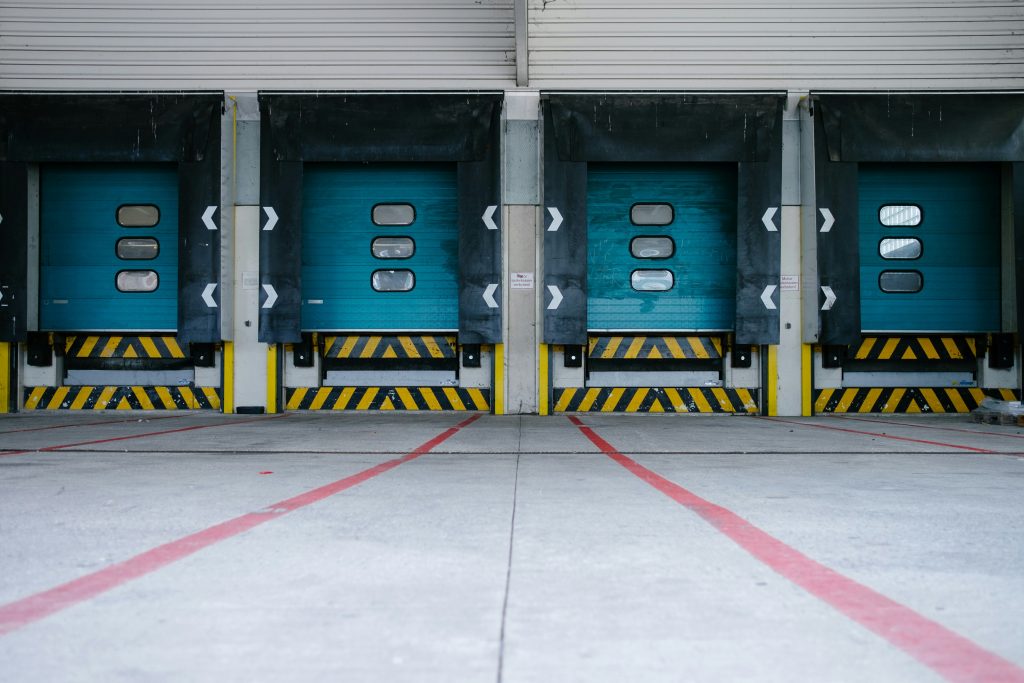
Crossdocking is a logistics method where incoming freight is unloaded, sorted, and shipped out with little to no storage time. Products flow directly from the receiving dock to outbound transportation.
Benefits of crossdocking:
- Faster delivery – Goods reach stores or customers within hours.
- Lower storage costs – Reduces the need for warehousing.
- Fewer handling steps – Less damage and labor.
- Improved inventory turnover – Products move quickly and efficiently.
The Illusion of Stability
Ocean freight used to dominate the disruption headlines. Port congestion, vessel queues, blank sailings, skyrocketing rates. That turbulence forced companies to adapt, diversify gateways, and build resilience. Now, many longhaul ocean lanes are functioning more predictably. Vessel schedules are tighter. Ports are clearing backlogs faster. Lead times are easier to forecast. But stability at sea doesn’t automatically translate into stability in the air. In fact, as ocean reliability improves, companies lean more aggressively into air freight for speed-sensitive or high-margin cargo. And that’s where the paradox kicks in.
Airspace Fragmentation Is the Pressure Point
Europe’s airspace remains fragmented across national ATC systems. Each country manages its own air traffic control, with its own staffing, labor agreements, and procedures. When strikes hit in one country, traffic across neighboring corridors gets rerouted congestion spikes in a major hub, block times increase. When staffing shortages emerge, schedules tighten. Unlike ocean shipping, where delays are often measured in days, air disruptions operate in compressed windows. A two hour shift in air arrival can cascade into missed truck appointments, crossdock congestion, and retail compliance penalties. Air freight doesn’t have slack built into it. That’s what makes it valuable. But it’s also what makes it fragile.
Why Air Disruption Feels More Chaotic
Long haul delays, like ocean congestion, tend to be visible and slow-moving. Companies can plan around them with buffer inventory and adjusted lead times. Air disruption is different. It’s sharper. Faster. Less predictable. An ATC strike in Paris can disrupt flights crossing French airspace; even if they’re not landing there. Rerouting increases fuel burn. Aircraft rotations get compressed. Connection windows shrink. That volatility spreads quickly because air cargo is deeply intermodal. Flights land and immediately connect to trucking networks. When arrival times shift, the ground operation must pivot in real time. If it doesn’t, freight sits. And idle freight defeats the purpose of air freight.
The Intermodal Squeeze
Here’s where the paradox becomes expensive. Ocean lanes improve, so companies reduce safety stock. Air freight fills precision gaps. But when air disruption spikes, there’s less inventory cushion to absorb delays. A late vessel might be manageable. A late air shipment in a lean inventory environment is not. Truck schedules tighten. Dock doors get overscheduled. Labor planning gets disrupted. Spot trucking costs rise. Expedited recovery moves multiply. What feels like “air chaos” is often the result of ultra-lean systems colliding with airspace volatility.
Capacity vs. Congestion
Another layer of this paradox is capacity allocation. Passenger travel across Europe has rebounded strongly. Belly capacity carries a significant share of air cargo. When passenger flights are disrupted by ATC congestion or labor action, cargo capacity shrinks instantly. Even if long-haul demand is stable, short-term airspace congestion can create sharp capacity squeezes. That drives up spot rates and increases competition for uplift. Ocean freight volatility may have eased but air capacity volatility remains alive.
Sustainability Pressures Add Complexity
There’s also a sustainability angle. Rerouted flights burn more fuel. More fuel means higher emissions. Companies tracking ESG metrics feel the impact in Scope 3 reporting. Efficiency in airspace directly affects carbon performance. As long haul ocean emissions improve through larger vessels and optimized routes, airspace inefficiency can quietly offset those gains. It’s another dimension of the paradox: operational stability improving in one mode while environmental volatility increases in another.
Why Europe Is at the Center of This
Europe’s dense geography amplifies the problem. High traffic volumes, interconnected air corridors, and nationalized ATC structures create complex routing dynamics. When congestion hits one corridor, traffic spills into neighboring airspace. The network is tight, and slack is limited. Add peak season, labor dynamics, and geopolitical factors, and you get recurring micro-disruptions that feel constant. It’s not a single crisis. It’s repeated pressure events.
What This Means for Logistics Leaders
First, recognize that long-haul stability does not eliminate air risk. In fact, it may increase reliance on air precision. Second, build airspace awareness into planning models. Understand which corridors are most exposed to congestion or strikes. Monitor patterns; not just rates. Third, strengthen downstream flexibility. Cross-docking capacity, flexible trucking appointments, and dynamic labor allocation absorb timing shifts from air operations. Fourth, avoid over optimizing inventory without accounting for air volatility. Lean is efficient; but lean plus unpredictable airspace can be costly.
The Strategic Opportunity
This paradox isn’t purely negative. It creates opportunity for companies that think holistically. When others assume long-haul stability equals full supply chain stability, prepared operators differentiate themselves. Plus they integrate airspace risk into routing decisions maintain contingency uplift options. They align ground operations to flex around arrival variability. They treat air disruption as a manageable variable; not an uncontrollable surprise.
Looking Forward
Europe’s logistics environment isn’t collapsing. It’s evolving. Ocean lanes are steadier. Ports are stronger. Rail is improving in key regions. But airspace remains a structural challenge. Until fragmentation and congestion are addressed more cohesively, air volatility will continue creating tension inside otherwise stable long haul systems. That’s the paradox: the slow modes are smoothing out while the fast mode grows chaotic. In today’s supply chain environment, speed without predictability isn’t an advantage. The companies that thrive in Europe’s logistics landscape will be the ones that master both; long-haul stability and airspace volatility. Because when air havoc rises while long-haul delays fall, resilience becomes the real competitive edge.