
If you want to understand where freight transportation is heading, look at the stretch of highway between Dallas and Houston…
It’s seriously becoming one of the most important proving grounds for autonomous trucking in the United States. What used to be a standard long haul lane is now a live experiment in how technology could reshape ground logistics.
This isn’t science fiction anymore. It’s happening.
What is Crossdocking ? (Read our Article here)
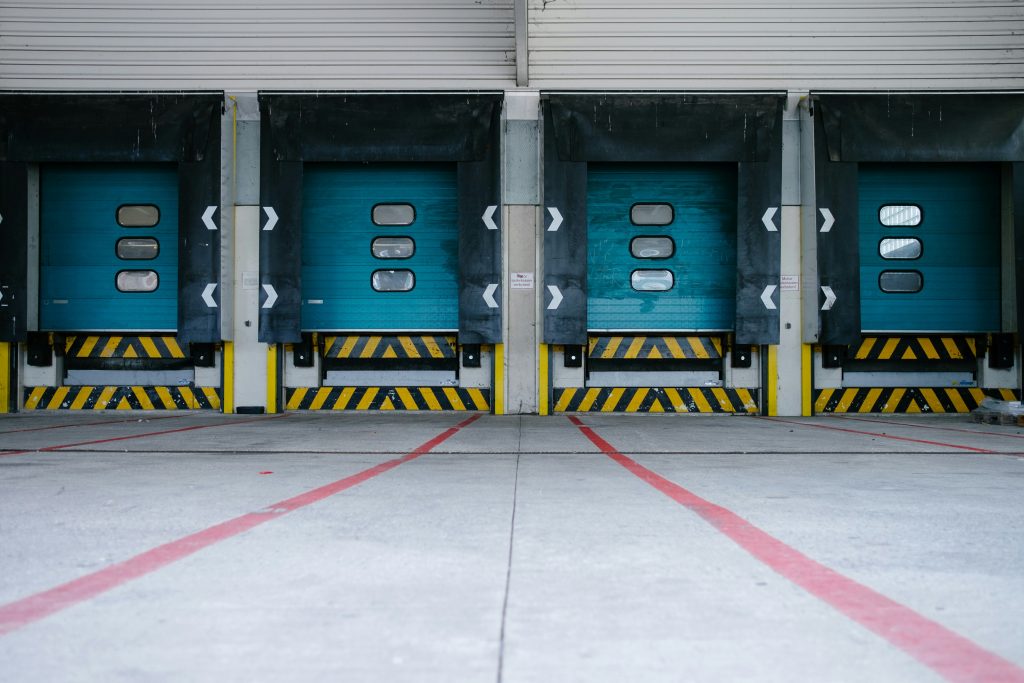
Crossdocking is a logistics method where incoming freight is unloaded, sorted, and shipped out with little to no storage time. Products flow directly from the receiving dock to outbound transportation.
Benefits of crossdocking:
- Faster delivery – Goods reach stores or customers within hours.
- Lower storage costs – Reduces the need for warehousing.
- Fewer handling steps – Less damage and labor.
- Improved inventory turnover – Products move quickly and efficiently.
Why Dallas/Houston Is the Perfect Test Corridor
Autonomous trucking didn’t randomly choose this route. The Dallas/Houston corridor checks every box for scalability: high freight density, strong infrastructure, predictable weather patterns, and a business-friendly regulatory environment. The route is heavily trafficked by retail, energy, industrial, and e-commerce freight. It’s long enough to showcase efficiency gains but short enough to manage operational control. In logistics terms, it’s clean. Straight highway. Consistent flow. Major distribution centers at both ends. If you’re going to deploy driverless trucks at scale, this is where you start.
What “Driverless” Actually Means Today
Let’s clear something up. Autonomous doesn’t mean trucks roaming highways without oversight. Today’s deployments focus on specific highway segments, often between terminal hubs. Human drivers typically handle first-mile and last-mile movements. The autonomous system takes over on the long, predictable highway stretch. This model is deliberate. Highways are controlled environments. Fewer pedestrians, unpredictable turns and fewer complex urban variables. That makes them ideal for automation. The result? A hybrid network where human drivers and autonomous systems work together.
Why Logistics Companies Are Paying Attention
The trucking industry has faced structural pressure for years: driver shortages, rising labor costs, retention challenges, and tightening delivery windows. Autonomous trucks directly address long-haul driver fatigue and labor scarcity. Which means they can operate longer hours within regulatory limits. They reduce dependency on finding and retaining drivers for repetitive highway routes. A truck that runs more hours per day generates more revenue per unit. In a margin-sensitive industry, that matters.
The Economics of the Dallas/Houston Route
This corridor moves massive freight volume daily. Retail replenishment. Energy sector equipment. Industrial components. Consumer goods flowing between distribution hubs. When you layer automation onto a high density lane, the cost-per-mile conversation changes. Reduced labor cost exposure. Lower accident risk potential. Improved fuel efficiency through optimized driving algorithms. More consistent transit times. Those improvements compound at scale. Even shaving small percentages off operating costs can reshape profitability on heavily trafficked lanes.
Safety and Public Perception
Of course, autonomy raises safety questions. The technology relies on sensors, cameras, lidar, radar, AI-driven decision-making systems. These systems are designed to respond faster than human reaction times. They don’t get tired or get distracted. But public trust builds slowly. Every deployment is scrutinized. Every incident makes headlines. Regulatory bodies watch closely. Insurance markets adapt cautiously. The companies testing along Dallas–Houston know this. That’s why rollouts are incremental and controlled. Safety performance will determine the pace of expansion.
Impact on Human Drivers
Here’s where the conversation gets real. Autonomous trucking doesn’t eliminate drivers overnight. Instead, it shifts their role. First mile and last mile segments still require human operators. Urban environments are complex. Dock interactions require judgment. Equipment inspections need hands-on oversight. But long-haul highway miles, the repetitive stretch between cities; are where automation is strongest. That could reduce demand for traditional long-haul drivers over time, while increasing demand for short-haul and terminal-based drivers. It doesn’t vanish instantly.
What This Means for Shippers
For logistics buyers, the biggest appeal is reliability. Autonomous trucks don’t call in sick. They don’t time out due to hours-of-service constraints in the same way human-only operations do. Which means they can operate with greater scheduling consistency. That means tighter appointment windows. Reduced variability. Potentially lower detention and storage costs. On a corridor like Dallas/Houston, where freight velocity matters, predictability is powerful.
Predictable transit stabilizes downstream networks (cross-docks, distribution centers, retail timelines).
The Competitive Ripple Effect
If autonomous trucking proves scalable on this route, other high-density corridors will follow. Think Atlanta/Savannah. Los Angeles/Phoenix. Chicago/Indianapolis. Once one lane demonstrates economic and operational viability, investment accelerates. Freight networks could gradually shift from human-dominated long-haul to hybrid automated corridors. That doesn’t just change trucking. It changes pricing strategy, network design, and distribution planning. Companies that integrate autonomous corridors early may capture cost and reliability advantages.
The Infrastructure Question
Autonomous trucking requires more than software. It needs supportive infrastructure: staging terminals, maintenance hubs, high-definition mapping, reliable connectivity. The Dallas/Houston corridor benefits from existing logistics infrastructure and strong industrial investment. As deployment expands, infrastructure investment will follow. That creates regional economic shifts. Areas positioned along autonomous corridors may see increased warehouse and distribution development. Automation doesn’t just move freight. It reshapes geography.
Risk and Regulation
Regulation will determine how fast this scales. State level support in Texas has encouraged innovation. But interstate commerce introduces federal oversight. Insurance markets must adapt. Liability frameworks must evolve. The path forward depends on collaboration between technology firms, carriers, regulators, and insurers. If that alignment holds, expansion accelerates and regulatory friction grows, progress slows.
The Bigger Picture
The Dallas/Houston experiment represents something larger than a single highway test. It signals that long-haul trucking; the backbone of American freight may be entering a structural transformation phase. Ocean shipping saw mega-vessels. Air freight saw digital booking platforms and AI-driven yield management. Trucking is now entering its automation era. A key question isn’t whether driverless trucks will exist…They already do. A real question is how quickly they scale and how strategically companies integrate them into their networks.
For now, the Dallas/Houston corridor remains a proving ground. Controlled deployments. Measured scaling. Careful monitoring. But the implications are clear. If autonomous trucking stabilizes cost, improves safety, and increases asset utilization on one of Texas’s busiest freight lanes, the model won’t stay isolated. Logistics leaders should be watching closely, not with hype, but with strategy. Because if this corridor becomes the blueprint for autonomous freight, the ripple effect won’t stop in Texas.
This will reshape how we think about long-haul transportation nationwide. We will revisit this later this year to check back in how this landscape has changed.