
Air cargo is supposed to be the fast lane of global logistics. It’s the mode you choose when timing matters, margins are tight, and waiting isn’t an option. But in Europe, the sky itself has become part of the bottleneck. That’s where the Single European Sky (SES) comes in.
This isn’t just regulatory housekeeping. It’s a structural attempt to fix inefficiencies that quietly cost airlines, forwarders, and shippers millions every year. If you move freight through Europe; or rely on EU air corridors to connect to North America, Asia, or the Middle East-this conversation directly affects your operation.
Let’s get into it.
What is Crossdocking ? (Read our Article here)
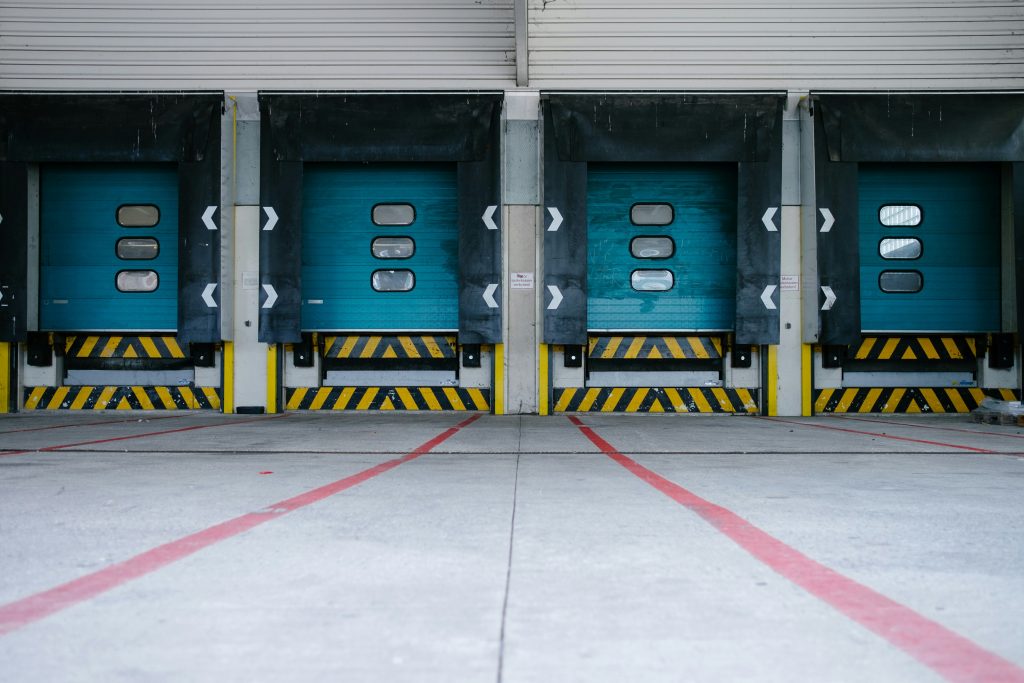
Crossdocking is a logistics method where incoming freight is unloaded, sorted, and shipped out with little to no storage time. Products flow directly from the receiving dock to outbound transportation.
Benefits of crossdocking:
- Faster delivery – Goods reach stores or customers within hours.
- Lower storage costs – Reduces the need for warehousing.
- Fewer handling steps – Less damage and labor.
- Improved inventory turnover – Products move quickly and efficiently.
Fragmented Airspace in a Unified Market
Europe operates as a single economic market. Goods move freely. Trucks cross borders. Rail corridors connect regions. But the airspace? It’s still managed largely along national lines. Each country oversees its own air traffic control system. That means different procedures, different staffing models, different technology platforms, and different operational priorities. Aircraft flying across Europe don’t always take the most direct path. They take the path that aligns with national airspace boundaries. Imagine driving across Europe and having to adjust speed limits, lane rules, and toll systems at every border. That’s essentially what aircraft face overhead. Passengers, that’s an inconvenience. Air cargo, it’s an efficiency drain.
Why Air Cargo Feels It More
Air freight runs lean. There’s little slack built into the system. Aircraft rotations are tightly sequenced. Ground handling is scheduled down to the hour. Truck appointments are aligned with arrival windows. When airspace inefficiencies force rerouting or holding patterns, it doesn’t just add minutes. It disrupts entire chains. Longer flight paths mean more fuel burn. More fuel burn means higher costs & congestion means greater exposure to cascading delays. Those delays ripple into missed truck connections, cross-dock adjustments, and downstream scheduling friction. Air cargo doesn’t absorb friction well. It amplifies it.
The Cost Layer Most Shippers Don’t See
Here’s the thing: inefficiency in airspace doesn’t show up on a separate invoice labeled “fragmentation fee.” It hides inside fuel surcharges, schedule variability, and pricing adjustments. When an aircraft burns more fuel because it can’t fly a direct route, that cost gets embedded in rates. If congestion increases turnaround times, that cost gets factored into network pricing. If ATC staffing shortages cause disruption, the cost surfaces in volatility. It’s cumulative in logistics, cumulative inefficiencies quietly erode margin.
What the Single European Sky Is Designed to Do
The Single European Sky initiative aims to reorganize European airspace based on traffic flows instead of national borders. The idea is simple: planes should fly the most efficient routes possible, regardless of political boundaries. SES proposes greater coordination among air navigation service providers, more standardized procedures, improved data sharing, and modernized technology systems. The goal? Reduce congestion. Shorten flight paths. Lower fuel burn. Improve reliability. In theory, it’s a logical upgrade for a modern, integrated European economy.
The Efficiency Gains on the Table
If fully realized, the Single European Sky could deliver measurable improvements: More direct routing means shorter flight times. Shorter flight times mean lower fuel consumption. Lower fuel consumption means reduced emissions and lower operating costs. Reduced congestion means fewer delays and tighter schedule predictability. For cargo operators, that translates into better uplift reliability and more stable connection windows. For shippers, it means fewer surprises.
The Sustainability Factor
Efficiency isn’t just about money anymore. It’s about emissions. Longer routes increase carbon output. Airlines are under pressure to meet sustainability targets. Shippers are increasingly tracking Scope 3 emissions in their supply chains. Investors and regulators are watching. SES has the potential to reduce unnecessary fuel burn at scale. That’s not just good for operating costs; it strengthens environmental performance metrics across the logistics chain.
In a world where ESG reporting influences corporate strategy, airspace efficiency becomes a competitive factor.
The Political and Operational Hurdles
If the benefits are clear, why hasn’t it already happened? Airspace control is tied to national sovereignty. Each country has its own ATC workforce, labor agreements, and operational framework. Reform requires political coordination and stakeholder alignment.
That’s complex. Labor unions have concerns. Governments guard airspace authority. Technology integration requires investment. Progress has been incremental rather than revolutionary. But pressure is building. Congestion events, environmental targets, and industry lobbying continue to push the conversation forward.
How This Impacts Transatlantic Logistics
For companies moving freight between Europe and North America, the implications are immediate. A delay leaving Madrid due to airspace congestion can compress connection windows in Frankfurt. That can shift transatlantic departure timing. That shifts arrival into Chicago or New York. That compresses ground handling windows. That tightens cross-dock schedules. It’s a chain reaction. When upstream routing inefficiencies exist, downstream logistics must compensate. That’s why forwarders and logistics managers need to think holistically. Airspace reform isn’t abstract policy—it’s upstream network design.
Peak Season Volatility
During peak retail or industrial surges, airspace congestion intensifies. Passenger flights share the same corridors as cargo. When air traffic control constraints tighten, everything tightens. Spot rates spike faster. Buffer windows shrink. Rebooking becomes more expensive. If SES reduces structural congestion, peak season volatility could soften. That alone would be a major advantage for supply chain planners.
Strategic Implications for Logistics Leaders
Until full reform is implemented, fragmentation remains part of the operational landscape. That means logistics leaders need layered strategies. Diversify European gateway options. Understand which hubs face consistent congestion exposure. Align cross-dock and trucking operations with realistic arrival windows. Build contingency routing playbooks in advance; not mid-crisis. Operational resilience beats reactive scrambling.
What Full Implementation Could Mean
If the Single European Sky achieves meaningful integration, we could see: Stronger schedule reliability Reduced fuel-based pricing pressure Improved environmental metrics More predictable connection flows Greater long-term network stability Air cargo would operate closer to its design potential: fast, precise, and predictable which is where margin protection lives.
The Bottom Line
Europe’s fragmented airspace has quietly taxed air freight efficiency for years. The Single European Sky represents a serious attempt to modernize that system and align it with today’s economic reality. This isn’t just about aviation policy. It’s about supply chain performance. If reform accelerates, the benefits could reshape how air cargo flows across Europe and into global trade lanes. If progress stalls, fragmentation remains an operational variable that logistics teams must actively manage. Either way, smart shippers and forwarders stay ahead by understanding where variability originates and building flexibility downstream. Air cargo is built for speed. The Single European Sky aims to make that speed more efficient, more sustainable, and more reliable. And in global logistics, efficiency at altitude always translates into advantage on the ground.