
Air cargo is supposed to be the express lane of global trade. When something absolutely needs to move pharmaceuticals, aerospace components, high-value electronics, time-sensitive retail it flies. That speed is what justifies the premium price tag. But in Europe, there’s a recurring disruption that keeps chipping away at that promise of speed: air traffic control (ATC) strikes. For passengers, ATC strikes are frustrating. For cargo, they’re expensive. And not just in obvious ways. Let’s unpack what’s really happening and why the cost keeps growing.
What is Crossdocking ? (Read our Article here)
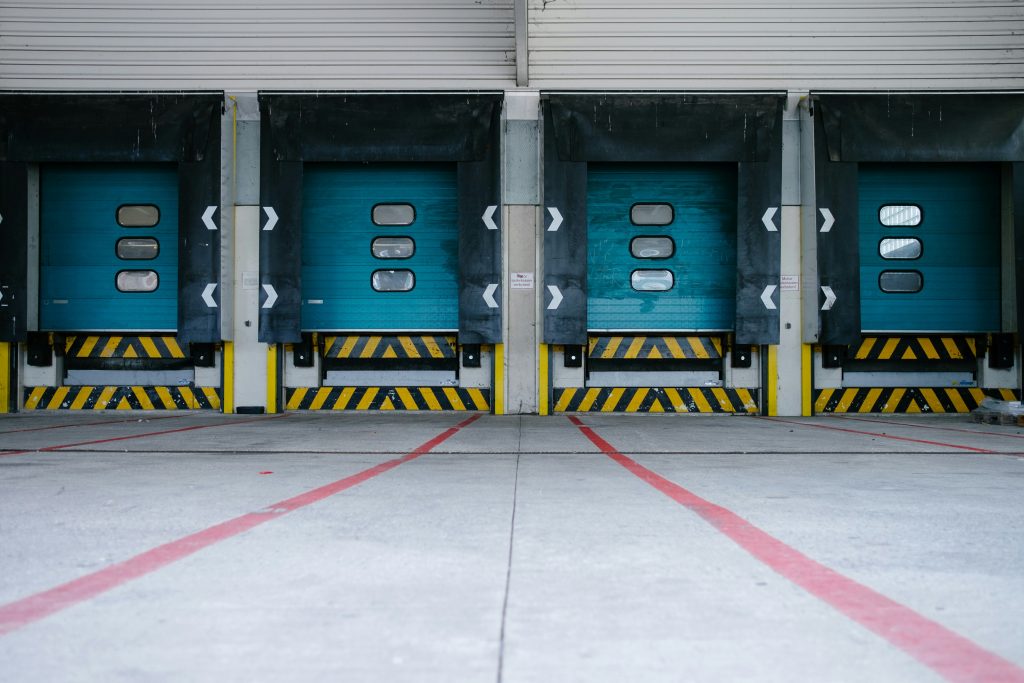
Crossdocking is a logistics method where incoming freight is unloaded, sorted, and shipped out with little to no storage time. Products flow directly from the receiving dock to outbound transportation.
Benefits of crossdocking:
- Faster delivery – Goods reach stores or customers within hours.
- Lower storage costs – Reduces the need for warehousing.
- Fewer handling steps – Less damage and labor.
- Improved inventory turnover – Products move quickly and efficiently.
Why ATC Strikes Hit Cargo Harder Than You Think
At first glance, you might assume passenger travel absorbs most of the impact during ATC strikes. After all, canceled flights make headlines. But here’s the reality: a large percentage of air cargo rides in the belly of passenger aircraft. When those flights are grounded, delayed, or rerouted, cargo doesn’t just get pushed back; it gets displaced. Unlike passengers, cargo can’t simply be rebooked on the next flight with a seat assignment. It competes for limited space on already constrained aircraft. And during strike events, available capacity shrinks fast. What looks like a 12-hour disruption can easily turn into a multi day ripple effect.
The Immediate Operational Fallout
When ATC strikes occur, airlines often reduce flight schedules preemptively. Airspace becomes congested as carriers reroute around affected zones. Slot availability tightens. Ground handling timelines compress. For air cargo operators and freight forwarders, this creates a scramble. Flights depart late. Connection windows narrow. Uplift gets rolled to the next available departure. Aircraft that do depart may take longer routes to avoid closed airspace, increasing block times and fuel burn. By the time freight reaches its destination; if it makes that rotation at all the downstream network has already shifted. And that’s where the real cost begins.
The Domino Effect Across Intermodal Networks
Air cargo doesn’t move in isolation. It connects directly to trucking networks, cross-docks, rail ramps, and final-mile delivery systems. When an aircraft arrival shifts by even a few hours, truck appointments must adjust. Dock schedules must flex. Labor allocation must change. If those adjustments don’t happen fast enough, freight sits. Storage fees start accruing. Detention charges stack up. Retail compliance windows get missed. Manufacturing lines pause. One ATC strike in Paris or Rome can disrupt distribution in Chicago or Atlanta days later. That’s not dramatic; it’s structural.
The Financial Layer Most Companies Underestimate
The visible cost of an ATC strike is flight cancellation or delay. The invisible cost is margin erosion. Here’s where it shows up:
- Higher fuel surcharges due to rerouting
- Emergency rebooking at premium rates
- Spot trucking to recover timing
- Storage and handling fees
- Contract penalties for late delivery
- Increased working capital tied up in delayed inventory
Individually, these charges seem manageable. Collectively, they reshape quarterly performance. And as strike frequency increases, so does the cumulative financial exposure.
Labor Disputes and Airspace Fragmentation
Europe’s airspace is managed by individual national authorities. That fragmentation means labor disputes in one country can disrupt traffic across multiple corridors. When French ATC controllers strike, for example, it doesn’t only affect flights landing in France. Aircraft crossing French airspace en route to Spain, Italy, Germany, or the UK can also be impacted. That amplifies the scale of disruption. Because European airspace is highly interconnected, localized strikes create continental ripple effects. For cargo planners, this means unpredictability isn’t confined to one geography; it spreads.
Peak Season Magnifies the Impact
During peak retail or industrial surges, capacity is already tight. When ATC strikes hit during these periods, the effect multiplies. Available uplift shrinks. Rebooking becomes more competitive. Spot air freight rates spike rapidly. Recovery takes longer because the system has less slack. If your supply chain depends on lean inventory cycles, you feel that pressure immediately. Air cargo is expensive because it buys speed. ATC strikes erode that speed premium.
Environmental and Efficiency Costs
There’s also a sustainability angle here. When aircraft reroute to avoid restricted airspace, they fly longer distances. That means higher fuel consumption and increased emissions. For companies tracking Scope 3 emissions, rerouting adds carbon output that wasn’t originally planned. Sustainability targets become harder to maintain when inefficiencies are baked into airspace management. Efficiency and environmental performance are now tied together. ATC instability affects both.
Strategic Implications for Shippers
So what’s the move? First, accept that ATC strikes are not rare anomalies. They are recurring operational variables in parts of Europe. Second, diversify routing where possible. Understand which corridors are most exposed to labor disruptions and consider alternative gateways when feasible. Third, tighten downstream flexibility. If air arrivals shift, your ground network must adjust quickly. Cross-docking capacity, flexible truck appointments, and real-time visibility become strategic assets: not operational luxuries. Fourth, build contingency playbooks in advance. Pre-define escalation contacts with forwarders. Establish backup uplift options. Maintain secondary carrier relationships on critical lanes. Resilience beats reaction.
The Growing Cost Curve
The frequency and economic impact of ATC strikes have been trending upward. Each disruption compounds the pressure on airlines already navigating capacity constraints, labor challenges, and sustainability mandates. Cargo operators, the volatility adds pricing instability and shippers, it increases the need for margin protection strategies. The cost of air cargo isn’t just determined by fuel or demand anymore. It’s increasingly shaped by structural labor dynamics and fragmented airspace governance.
Calls for deeper European airspace reform; such as broader coordination under initiatives like the Single European Sky; aim to reduce inefficiencies and create more resilient systems. But structural change moves slowly. Until reform catches up, ATC strikes remain a real and recurring risk factor. Smart logistics leaders don’t panic during disruption; they prepare for it. They map exposure + Monitor congestion indicators. Plus they align cross-dock and trucking capacity with realistic arrival variability. They track KPIs aggressively during high-risk periods. Air cargo will always be the fastest mode in global trade. But speed without reliability loses its strategic value. The growing cost of ATC strikes isn’t just about delayed flights. It’s about understanding how upstream instability shapes downstream performance; and building a supply chain that absorbs shocks instead of magnifying them. In today’s environment, the advantage doesn’t belong to the fastest shipper. It belongs to the most prepared one.