
To Start; the latest US & EU trade deal is doing more than adjusting tariffs and policy language; it’s reshaping how freight physically moves across Europe. From major ports to inland distribution centers, EU logistics hubs are actively reconfiguring routes to align with new trade realities and long-term demand patterns.
Additionally, rather than disruption, the response has been energized and strategic. Logistics hubs are leaning into flexibility, visibility, and regional intelligence to keep goods flowing efficiently between Europe and the United States. The result is a network that’s becoming faster, smarter, and more resilient.
What is Crossdocking ? (Read our Article here)
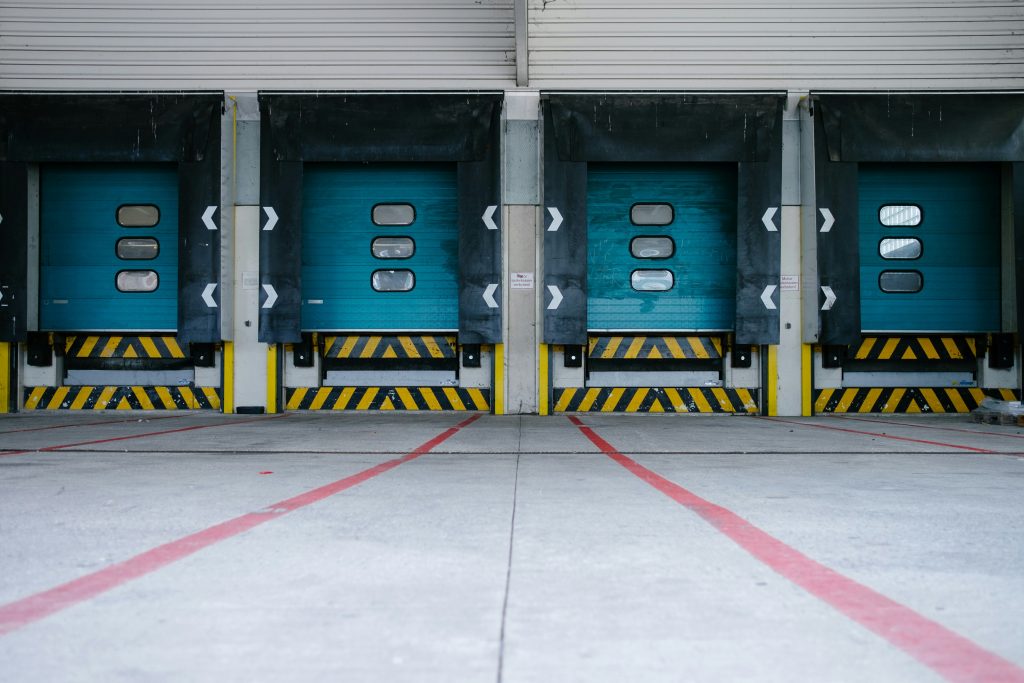
Crossdocking is a logistics method where incoming freight is unloaded, sorted, and shipped out with little to no storage time. Products flow directly from the receiving dock to outbound transportation.
Benefits of crossdocking:
- Faster delivery – Goods reach stores or customers within hours.
- Lower storage costs – Reduces the need for warehousing.
- Fewer handling steps – Less damage and labor.
- Improved inventory turnover – Products move quickly and efficiently.
Why the Trade Deal Triggered Route Reconfiguration
Trade agreements change incentives. They influence where goods enter, how they move inland, and which corridors offer the best balance of speed, cost, and compliance. The US & EU trade deal clarified tariff structures, compliance expectations, and sector priorities. With greater predictability, logistics hubs gained the confidence to redesign routes proactively instead of reacting to congestion or policy surprises. Clarity unlocked action.
Ports Shift from Volume to Velocity
Next, major EU ports are rethinking their role. Because of this, instead of focusing solely on throughput volume, they’re prioritizing velocity and reliability. Ports are adjusting berth allocations, optimizing gate operations, and improving coordination with inland carriers. Faster turnaround allows cargo to move inland more quickly, reducing congestion and dwell time. This shift supports consistent transatlantic flows and smoother downstream distribution.
Inland Hubs Take on Greater Strategic Importance
Conversely logistics hubs are emerging as critical nodes in the reconfigured network. Positioned closer to consumption centers and manufacturing zones, these hubs absorb volume that once congested coastal ports. By routing cargo through inland hubs, logistics networks gain:
- Shorter last-mile distances
- More flexible inventory positioning
- Improved resilience during port disruptions
Inland hubs transform linear routes into adaptable networks.
Rail and Multimodal Corridors Gain Momentum
Route reconfiguration isn’t limited to geography; it includes mode choice. Rail and multimodal corridors are seeing increased investment and utilization as part of the post-deal landscape. Rail offers predictable transit, lower emissions, and strong connectivity between ports and inland hubs. By integrating rail more deeply into routing strategies, EU logistics hubs reduce dependence on road transport alone. Multimodal balance strengthens the entire system.
Transloading Enables Route Flexibility
Equally, transloading has become a key enabler of route reconfiguration. By separating long-haul ocean transport from regional distribution, hubs can redirect freight based on demand, congestion, or regulatory needs. This flexibility allows logistics teams to fine-tune routes in near real time. Cargo no longer follows a single rigid path; it moves through a network designed for adjustment. Adaptability replaces rigidity.
Customs and Compliance Shape Route Decisions
Identically, the trade deal brought greater alignment around customs processes and data expectations. Logistics hubs are integrating compliance considerations directly into routing decisions. By routing cargo through facilities optimized for clearance speed and documentation accuracy, delays are reduced. Customs readiness becomes a competitive advantage for hubs that can process freight efficiently. Compliance and speed are no longer trade offs.
Digital Visibility Guides Smarter Routing
Technology is the backbone of reconfiguration. Real-time visibility platforms allow hubs to monitor congestion, predict bottlenecks, and adjust routes dynamically. Digital tools help logistics teams answer questions instantly. Where is capacity available? Which corridor clears fastest? How does a route change affect delivery time? With data in hand, route decisions become confident rather than reactive.
Sustainability Influences Route Design
Particularly, environmental considerations are playing a larger role in how routes are designed. The trade deal reinforces sustainability commitments that encourage lower-emission transport options. By prioritizing rail, reducing empty miles, and improving load consolidation, logistics hubs align operational efficiency with environmental goals. Sustainability becomes a design principle rather than an afterthought. Efficiency and responsibility move together.
Collaboration Across Hubs and Carriers
Route reconfiguration works best when hubs collaborate rather than compete in isolation. EU logistics centers are working more closely with carriers, rail operators, and regional authorities to align capacity and schedules. This collaboration creates network-wide benefits. When one hub adjusts, others adapt in tandem, preventing bottlenecks from simply shifting location. Coordination multiplies impact.
What This Means for Shippers and Manufacturers
Furthermore, for shippers and manufacturers, reconfigured routes offer more options and greater reliability. Inventory can be positioned more strategically, delivery timelines become more predictable, and contingency planning improves. Instead of being tied to a single entry point, businesses can leverage a flexible European logistics network designed to support transatlantic trade growth. Choice strengthens resilience.
Preparing for the Next Phase of Trade Growth
The current reconfiguration isn’t a one time response. It’s the foundation for future growth. As trade volumes increase and product mixes evolve, EU logistics hubs are better prepared to scale without strain. By investing in flexibility now, hubs ensure that future changes policy-driven or market-driven can be absorbed smoothly.
A Smarter, Stronger European Logistics Network
Finally, EU logistics hubs are not simply reacting to the US–EU trade deal; they’re using it as a catalyst for modernization. By reconfiguring routes, embracing multimodal strategies, and integrating digital intelligence, they’re building a network designed for the next era of transatlantic trade. The outcome is a European logistics system that is faster, more flexible, and more resilient; ready to support growth while navigating change with confidence.