
The trucking industry on both sides of the Atlantic is facing a structural problem; not a temporary one. The driver shortage in the United States and across the European Union isn’t just about recruitment cycles or economic fluctuations. It’s demographic. It’s regulatory. And it’s accelerating.
Not as a sci-fi replacement fantasy; but as a practical, corridor-based solution to a growing labor imbalance. If implemented strategically, autonomous trucking could help stabilize freight capacity in both the US and EU while reshaping how the workforce is deployed. Let’s break down how.
What is Crossdocking ? (Read our Article here)
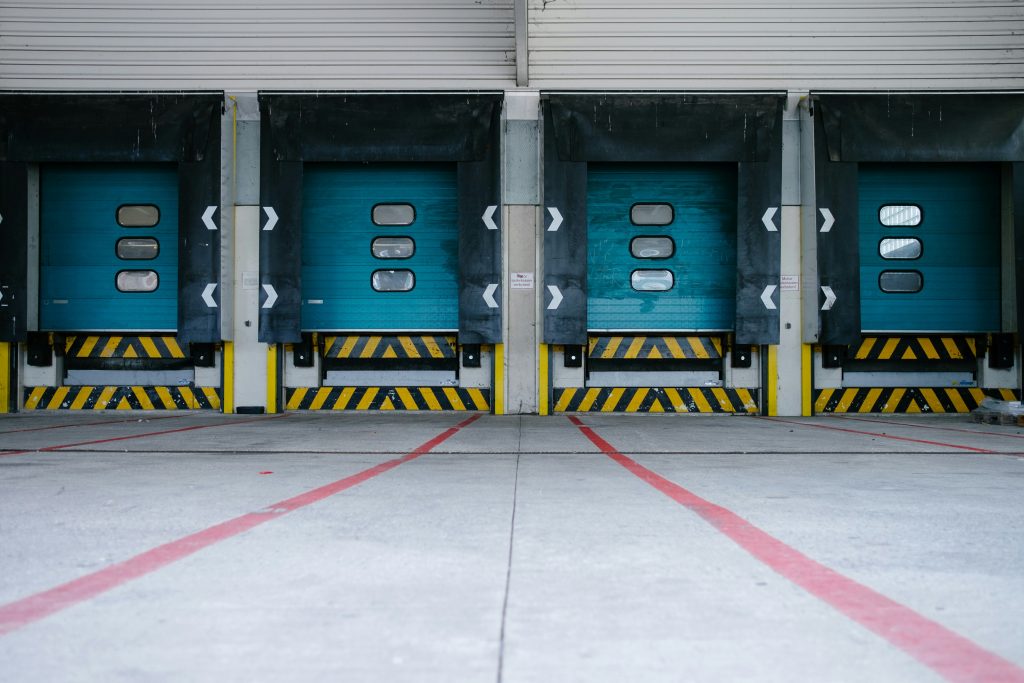
Crossdocking is a logistics method where incoming freight is unloaded, sorted, and shipped out with little to no storage time. Products flow directly from the receiving dock to outbound transportation.
Benefits of crossdocking:
- Faster delivery – Goods reach stores or customers within hours.
- Lower storage costs – Reduces the need for warehousing.
- Fewer handling steps – Less damage and labor.
- Improved inventory turnover – Products move quickly and efficiently.
The Scope of the Driver Shortage
The US trucking industry has been reporting driver shortages for years, with gaps widening during economic surges. An aging workforce, lifestyle challenges tied to long-haul routes, high turnover rates, and limited new-driver pipelines all contribute to sustained deficits. Europe faces similar pressures. Many EU countries report aging driver populations, declining interest among younger workers, and cross-border regulatory complexity that makes recruitment even harder. This isn’t a short-term hiring issue. It’s a structural workforce imbalance. Freight demand isn’t slowing. But the supply of long-haul drivers isn’t keeping pace.
Why Long-Haul Is the Weakest Link
The most difficult segment to staff in both the US and EU is long-haul highway freight. Extended time away from home, irregular sleep schedules, border crossings (in Europe), and increasing compliance requirements make long-haul driving less attractive. Driverless trucking directly targets this pain point. Level-4 autonomous trucks are designed to operate on defined highway corridors without human intervention. That means they can take over the repetitive, long-distance segments that are hardest to staff; while human drivers handle first-mile and last-mile operations. Instead of replacing drivers, autonomy reallocates human labor where it’s most effective.
Increasing Asset Utilization
One of the biggest inefficiencies in traditional trucking is underutilized equipment. Human drivers must comply with hours-of-service regulations. Rest periods limit how many miles a truck can cover daily. Autonomous trucks operating on approved corridors can run longer operational windows without fatigue constraints. That increases asset utilization. More miles per truck per day means fewer trucks are required to move the same volume of freight. That directly offsets the impact of driver shortages. In high-density corridors; such as Dallas to Houston in the US or key cross-border lanes within the EU; the efficiency gains compound quickly.
Stabilizing Capacity in Tight Labor Markets
In tight labor markets, freight rates rise sharply when capacity tightens. Driver shortages amplify this volatility. By introducing autonomous vehicles on long-haul lanes, carriers can stabilize baseline capacity even when driver availability fluctuates. This creates a floor of predictable throughput. For shippers, predictable throughput means fewer emergency premiums, fewer last-minute rate spikes, and more stable supply chain performance. Autonomy doesn’t eliminate market cycles; but it reduces extreme capacity swings.
The EU Advantage: Cross-Border Complexity
In the EU, cross-border trucking introduces additional complexity. Language barriers, differing labor laws, cabotage restrictions, and border congestion all complicate driver management. Autonomous vehicles operating across harmonized corridors could simplify long-haul cross-border movements. Once regulations align sufficiently, automation could reduce friction tied to driver-based compliance constraints. This doesn’t remove regulatory oversight—but it shifts complexity from human labor coordination to technology governance. In a fragmented regulatory environment, that shift could be transformative.
Workforce Evolution, Not Elimination
There’s a misconception that driverless trucking will wipe out jobs overnight. The reality is more nuanced. First-mile and last-mile segments remain human-intensive. Urban navigation, customer interactions, and equipment handling require judgment and adaptability. Autonomous systems excel on predictable highway routes not dense city streets. As long-haul segments automate, demand for short-haul, regional, and terminal-based drivers may increase. Additionally, new roles emerge: fleet monitoring specialists, autonomous systems technicians, remote operators, and AI safety managers. The workforce shifts it doesn’t disappear. And in regions already facing driver shortages, reallocation can relieve pressure rather than create displacement.
Safety as a Multiplier
Safety plays a key role in long-term viability. Autonomous systems rely on sensors, radar, lidar, and AI decision-making tools that do not fatigue or become distracted. While public perception evolves gradually, improved safety metrics could reduce accident frequency on major corridors. Fewer accidents mean lower insurance costs, reduced downtime, and improved network stability. For industries struggling with driver shortages, reducing accident-related disruptions further stabilizes capacity.
Economic Implications
The financial case hinges on three core variables: Reduced dependency on scarce long-haul labor Improved truck utilization Lower accident-related and insurance costs However, initial investment is significant. Autonomous trucks, mapping systems, corridor infrastructure, and integration platforms require capital. The strongest ROI will likely appear on high-volume lanes with consistent freight density. That’s why early deployments are concentrated on predictable, heavily trafficked corridors. Scale matters. Companies that integrate autonomy strategically not reactively will capture cost and reliability advantages.
Regulatory Momentum
In the United States, several states have adopted supportive frameworks for autonomous vehicle testing and deployment. Interstate regulatory clarity continues to evolve. In the European Union, cross-border harmonization presents both opportunity and complexity. Coordinated EU-level frameworks could accelerate adoption once safety validation matures. Regulation will determine the pace of expansion; but the direction is clear. Governments recognize that driver shortages threaten economic throughput. Automation is increasingly viewed as part of the solution.
Intermodal Ripple Effects
Autonomous long-haul trucking doesn’t operate in isolation. It influences rail, air, and warehouse operations. More predictable long-haul schedules tighten dock planning. Reduced transit variability improves cross-dock sequencing. Stable arrival times reduce detention and storage costs. As long-haul volatility declines, downstream intermodal efficiency improves. Solving driver shortages at the highway level strengthens the entire logistics chain.
Looking Ahead
The US and EU driver shortages aren’t temporary labor gaps. They reflect demographic shifts and structural industry challenges. Driverless trucking won’t replace every human driver. But it can relieve pressure where shortages are most acute long-haul highway freight. By reallocating human drivers to regional and urban roles, increasing equipment utilization, and stabilizing baseline capacity, autonomy offers a realistic path forward. The transition won’t happen overnight. It will roll out corridor by corridor, regulation by regulation. But the direction is unmistakable. In an industry where freight demand continues to grow while driver supply tightens, automation isn’t just innovation. It’s capacity insurance. For both the US and EU, that insurance may become essential to keeping goods moving in the decades ahead.