
Imagine a truck loaded with high value cargo is cruising down the highway. Everything seems fine until the driver hits the brakes hard, takes a sharp turn, or simply hits a pothole ANDD the load shifts. Boxes tumble. Pallets lean. What once was a neatly secured shipment has now turned into a logistics nightmare.
If you’re in the logistics, warehousing, or transportation industry, you know how common and costly shifted loads can be. Whether you’re a freight broker, a fleet manager, a warehouse operator, or an independent owner-operator, there’s one pressing question you’re bound to ask in this situation:
“How much does it cost to rework a shifted load? Short answer: It depends. Yikes.
What is Crossdocking ? (Read our Article here)
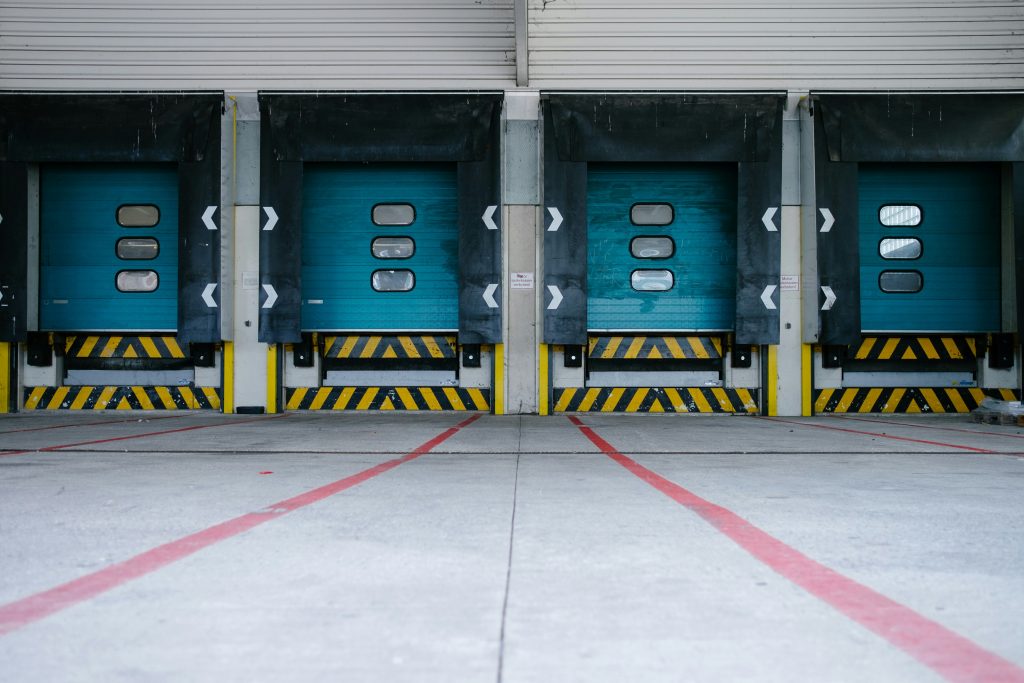
Crossdocking is a logistics method where incoming freight is unloaded, sorted, and shipped out with little to no storage time. Instead of sitting on shelves, products flow directly from the receiving dock to outbound transportation.
Benefits of crossdocking:
- Faster delivery – Goods reach stores or customers within hours.
- Lower storage costs – Reduces the need for warehousing.
- Fewer handling steps – Less damage and labor.
- Improved inventory turnover – Products move quickly and efficiently.
Long answer? That’s exactly what we’re going to break down in this in depth guide so we can get into;
- What shifted load rework is
- The types of services included in rework
- Key factors that affect cost
- Average cost estimates based on service type and location
- Tips to minimize rework expenses
- What to expect when hiring a professional load rework service
Let’s get into the details and help you budget better for the unexpected.
What Is a Shifted Load and Why Does It Require Rework?
A shifted load happens when cargo moves during transit. This can occur due to:
- Hard braking
- Sharp turns
- Inadequate load securement
- Improper weight distribution
- Rough road condition
- Human error during loading
When this happens, it’s not just about the visual mess inside the trailer. A shifted load poses serious risks:
- Injury to drivers or dockworkers
- DOT violations and fines
- Load rejections at distribution centers
- Damaged goods
- Delayed shipments and lost contracts
That’s where load rework comes in. This involves restoring the cargo to a stable and compliant state so it can continue its journey safely. But of course, rework services come at a cost; and that cost can vary widely.
What Services Are Included in Load Rework? Before we talk about cost, let’s talk about what you’re paying for.
- Preselecting cargo: Moving pallets or boxes back to their original position.
- Moving of freight: If items have toppled over or collapsed, they need to be restacked properly.
- Stretch wrapping: Rewrapping the load with film to secure it.
- Strapping and securing: Using ratchet straps, bars, and other equipment to stabilize the cargo.
- Fix damaged packaging: Sometimes, the boxes or shrink wrap need to be replaced entirely.
- Changing and disposing of broken items: Broken or spilled goods may need to be removed and discarded.
- Cleaning the trailer floor: If items spilled or broke open, cleanup is required.
- Reloading the trailer: After rework, the load is reloaded in compliance with DOT regulations.
- Documentation and photos: Most professional rework teams provide before/after photos for liability and compliance.
Depending on the severity of the load shift and the time of day, the scope of service can range from a quick 30 minute restack to a full trailer rework that takes hours.
Factors That Affect the Cost of Load Rework: So, how much does all this cost? The answer depends on a variety of factors. Let’s break them down.
1. Severity of the Shift: This is the biggest factor influencing price. A light shift where only a couple of pallets need to be nudged back into place? Low cost. A full load collapse with damaged goods and cleanup? Get ready to pay more.
2. Location: Where the rework is performed matters. A mobile service coming out to a truck stop on a remote highway is going to cost more than bringing the load into a warehouse in an urban center.
3. Time of Day / After-Hours Rates: Just like emergency plumbers or electricians, many rework providers charge more for nights, weekends, and holidays. Expect a 10%–25% surcharge for after-hours service.
4. Type of Cargo: Is it dry goods? Perishables? Electronics? Fragile items like glass or ceramics require extra care—and cost more to handle. HAZMAT loads also require specially certified personnel, increasing cost.
5. Labor Requirements: More hands = more dollars. If a load rework requires a team of 2–4 workers and takes several hours, you’ll pay more than a quick one-person fix.
6. Equipment Needed: Will the crew need to bring a forklift, pallet jack, stretch wrapper, or specialized strapping systems? Equipment fees may be baked into the cost or charged separately.
7. Mobile vs. Facility Rework
- Mobile Rework Services: They come to you—convenient but pricier due to travel and setup.
- Warehouse Rework Facilities: You bring the load to them—often cheaper, but requires time and fuel.
Typical Pricing for Shifted Load Rework Services
Mobile Load Rework (On-Site Service)
|
Service Level |
Estimated Cost Range |
|
Minor load shift (1–2 pallets) |
$300 – $500 |
|
Moderate restack (partial trailer) |
$600 – $1,200 |
|
Full trailer rework (heavy shift) |
$1,200 – $2,000+ |
|
Emergency/after-hours surcharge |
+10% – 25% |
|
Equipment use (e.g., forklift) |
$100 – $300 (if separate) |
|
Mileage/travel charge |
$2 – $4 per mile |
In Facility Load Rework
|
Service Type |
Estimated Cost Range |
|
Basic rework (1–2 hours) |
$250 – $500 |
|
Full load repack/restack |
$700 – $1,500 |
|
Disposal of damaged goods |
$50 – $300 (based on volume) |
|
Pallet and packaging replacement |
$10 – $50 per unit |
|
Dock use/warehouse fee |
$100 – $200/hour |
Scenario 1: Minor Shift at Truck Stop
- Details: 2 pallets shifted slightly after hard braking. Driver notices during pre-check.
- Service: Mobile tech comes out, repositions pallets, applies load bars.
- Time: 1 hour
- Estimated Cost: $350 – $500
Scenario 2: Rejected Load at Retail DC
- Details: Big-box retailer refuses shipment due to collapsed pallet and visible damage.
- Service: Mobile team restacks 6 pallets, rewraps with stretch film, replaces 5 damaged boxes.
- Time: 3 hours, after-hours
- Estimated Cost: $1,000 – $1,400 (including emergency fee)
Scenario 3: Full Trailer Rework at Facility
- Details: Driver brings trailer to rework warehouse after full shift of perishable goods.
- Service: Full trailer re-stacked using forklift, 15% of goods repackaged, cleanup included.
- Time: 4–5 hours
- Estimated Cost: $1,500 – $2,200
Tips to Minimize Costs
Nobody wants to pay for load rework. Here’s how to reduce your chances or at least reduce the cost when it’s unavoidable.
Use Proper Load Securement from the Start
- Load straps, bars, and stretch film can prevent 90% of shifts
- Distribute weight evenly
- Use anti-slip mats and corner protectors
- Monitor Loads in Real Time:IoT sensors and load monitoring devices alert you to cargo movement before things get worse.
- Choose Reliable Shippers: Shippers that consistently pack and load cargo with care are less likely to cause issues down the road. Vet your partners.
- Train Your Drivers: A driver trained in safe acceleration, braking, and turns is far less likely to experience a load shift.
- Build Relationships with Local Rework Providers: Regular customers often get priority service and lower rates from warehouse partners or mobile services.
Is Insurance Likely to Cover Rework Costs? This is a tricky area.
- Cargo insurance might cover damaged goods—but usually won’t pay for rework labor unless it’s included under specific policy terms.
- Carrier insurance generally doesn’t cover rework fees unless the load shift was caused by mechanical failure or collision.
- Shippers may cover rework costs if it’s proven that poor loading or packaging caused the shift.
Pro tip: Always document everything with photos, timestamps, and communication logs to support any reimbursement claim.
How to Choose a Reliable Load Rework Provider
Not all rework services are equal. Here’s what to look for:
- 24/7 Availability
- Mobile or onsite service options
- Trained and certified personnel
- Transparent pricing with itemized quotes
- Fast response time (within 1–3 hours)
- Positive online reviews and industry reputation
Always ask for:
- Equipment list
- Labor rate per hour
- Emergency surcharge policy
- Travel fees if applicable
- Estimated service time
A shifted load can feel like a disaster; but with the right help, it doesn’t have to derail your delivery or your business. Yes, load rework can cost anywhere from a few hundred to several thousand dollars, depending on severity, location, and service provider. But considering the potential cost of load rejection, damaged goods, or lost contracts, it’s often money well spent.
Preparation is your best defense:
- Secure your loads properly
- Monitor high risk shipments
- Build relationships with rework partners
- Train your drivers to handle emergency situations
When the inevitable happens, knowing what to expect in terms of cost and service can help you act quickly and keep your operations running smoothly.