
Picture this: it’s 11:30 PM on a Saturday night. Your freight truck is rolling across state lines, right on schedule. Suddenly, the driver calls in and there’s been a hard brake, and now the load inside the trailer has shifted. Pallets are leaning, boxes have toppled, and there’s no way to proceed without reworking the cargo.
What do you do?
You can’t wait until Monday. Delaying delivery means missed deadlines, lost revenue, and possibly rejected loads. That’s why after hours shifted load repair services are a lifeline in modern logistics. But the big question is: Are these services actually available after hours or on weekends?
What is Crossdocking ? (Read our Article here)
Crossdocking is a logistics method where incoming freight is unloaded, sorted, and shipped out with little to no storage time. Instead of sitting on shelves, products flow directly from the receiving dock to outbound transportation.
Benefits of crossdocking:
- Faster delivery – Goods reach stores or customers within hours.
- Lower storage costs – Reduces the need for warehousing.
- Fewer handling steps – Less damage and labor.
- Improved inventory turnover – Products move quickly and efficiently.
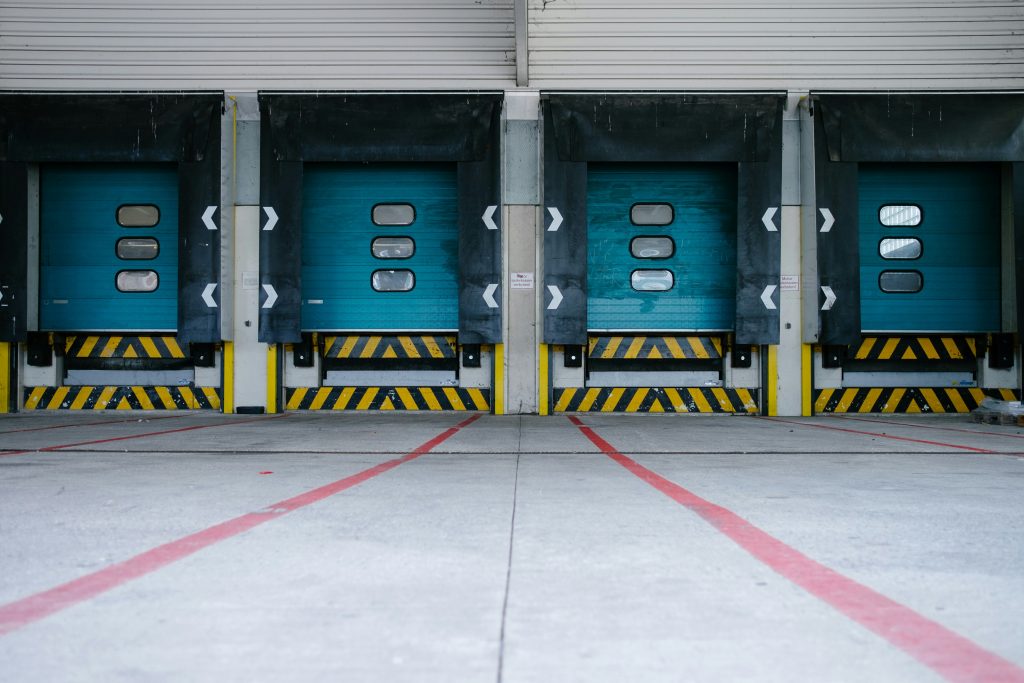
Short answer: Yes if you know where to look.
We’re diving deep into:
- What shifted load repair entails
- Why it’s needed after-hours
- Who provides these services
- What equipment is used
- How to prepare for off-hour emergencies
- Cost considerations and more
Whether you’re a fleet manager, logistics coordinator, or owner-operator, this guide will help you navigate the often-overlooked world of emergency freight recovery.
Understanding Shifted Load Repair
Let’s start with the basics.
A shifted load refers to any cargo that has moved out of position inside a trailer or container during transit. This can happen due to:
- Sudden braking or acceleration
- Sharp turns or swerves
- Poor initial load securement
- Equipment malfunction
- Road vibrations and bumps
When freight shifts, it doesn’t just mess up your schedule. It creates serious safety risks for the driver, other motorists, and dock workers. A trailer door could open to falling cargo, or worse, damaged goods could be deemed unsalvageable by the receiver.
What Does Repair Involve?
While many companies offer these services during regular business hours, the demand for 24/7 availability is growing fast. Shifted load repair (also called load rework or freight recovery) includes:
- Repositioning pallets or items
- Restacking and rewrapping cargo
- Securing with straps, bars, or dunnage
- Repackaging damaged goods
- Cleaning up spills or broken items
- Ensuring DOT-compliant securement before the driver continues
Why After-Hours Load Repair is Critical
Let’s be honest; freight doesn’t stop moving just because the clock strikes 5 PM. Most trucking operations are 24/7, which means incidents can happen anytime: nights, weekends, holidays, you name it.
Here’s why after hours shifted load repair is a game changer:
1. Avoid Costly Downtime: A driver sitting idle for 12+ hours isn’t just losing time—they’re racking up detention fees, violating HOS (Hours of Service) regulations, and missing deadlines. Getting that load reworked immediately keeps operations flowing.
2. Prevent Load Rejection: Retailers and distribution centers often have tight receiving windows. If the freight isn’t intact and on time, it might be refused leaving you stuck with redelivery costs and a damaged reputation.
3. Maintain Safety Compliance: A visibly shifted load is a DOT violation waiting to happen. Troopers can issue citations or take the vehicle out of service. Emergency repair services help restore compliance on the spot.
4. Protect Your Freight and Reputation: The faster you resolve a freight issue, the less chance for cargo spoilage, theft, or damage. Plus, your clients will remember your responsiveness—even in the middle of the night.
Who Offers After Hours Shifted Load Repair Services?
Not every warehouse or 3PL operates after dark, but a growing number of specialized logistics support companies now offer 24/7 emergency load rework.
Common providers include:
- Freight rework and cargo recovery companies
- Mobile load rework technicians
- Trailer and load securement service providers
- Truck stops or terminals with on-call dock staff
- Warehouses offering emergency rework bays
These services are often located near:
- Major freight corridors (I-40, I-70, I-95, etc.)
- Industrial zones
- Intermodal hubs
- Large cities or metro areas
Many even advertise mobile units that will come directly to your truck; whether you’re stranded at a weigh station, rest stop, or shipper’s dock.
What Equipment is Used in After-Hours Load Repair? Night or day, the equipment used for load repair remains largely the same though mobility and speed become even more important during off hours.
Common tools and gear include:
- Manual and electric pallet jacks: To remove or reposition unstable pallets
- Forklifts (onsite or mobile): For heavier cargo or collapsed loads
- Stretch wrap and dispensers: To rewrap and stabilize stacked goods
- Load straps, bars, and e-track systems: To secure items in place
- Dunnage bags and anti-slip mats: To prevent further movement
- Edge protectors and corner boards: For damaged packaging or irregular items
- Packaging supplies: Boxes, tape, sealers for reboxing loose goods
- Clean up materials: Brooms, bins, PPE for broken items or spills
Mobile crews often carry these tools in fully equipped vans or trucks, enabling them to handle reworks on the fly.
How to Prepare for After-Hours Load Shifts
1. Know Your Emergency Contacts: Maintain a list of 24/7 freight rework services along your regular routes. Don’t rely on Google searches during a crisis to vet your providers in advance.
2. Use Load Monitoring Devices: IoT load sensors can detect shifts in real-time, sending alerts before things get worse. Combine with GPS tracking for better situational awareness.
3. Train Drivers on Protocols: Make sure drivers know how to:
- Inspect the load
- Take pictures for documentation
- Call dispatch or emergency services
- Stay safe when opening trailer doors
4. Keep Basic Rework Gear Onboard: Some companies outfit their trucks with some important yet basic tools:
- Spare stretch wrap rolls
- Load straps and bars
- Dunnage bags
- Flashlights or headlamps
Typical Scenarios Where After-Hours Repair Is Needed
- Truck Braked Suddenly on the Highway: Cargo slid forward and pressed against the rear doors. Driver can’t open without risk of items falling out. Mobile rework team stabilizes the load, repacks goods, and installs load bars.
- Load Rejected by Retailer on a Sunday: A major chain rejects a delivery due to visible damage. Emergency repair crew picks up the load, restacks it properly, and returns it before the delivery window closes.
- Trailer Flagged at a Weigh Station: DOT inspection reveals an unsecured load. Rework team is dispatched to bring the trailer into compliance and prevent a violation or citation.
How Much Does After-Hours Shifted Load Repair Cost?
Emergency services typically come with higher rates, but compared to the cost of rejected loads or delayed shipments, it’s often well worth it.
- Time of day (weekends/holidays can increase rates
- Location (remote vs metro)
- Severity of load shift
- Type of equipment needed
- Mileage for mobile teams
- Labor hours required
Typical Pricing Ranges:
|
Service Type |
Estimated Cost Range |
|
Mobile load rework (basic) |
$350 – $700 |
|
Full restack with forklift |
$700 – $1,500+ |
|
Packaging and repacking |
$150 – $500 |
|
After-hours surcharge |
10% – 25% of base rate |
|
Emergency warehouse bay usage |
$100 – $300/hour |
Benefits of Using After Hours Load Repair Services: If you’re on the fence about investing in 24/7 coverage, here’s what you gain:
- Minimized delays and downtime
- Improved safety for drivers and cargo
- Reduced risk of rejected loads
- Compliance with transport laws
- Fewer chargebacks from retailers
- Happier customers and carriers
- Peace of mind day or night
In short: it’s not just about fixing a problem it’s about keeping business moving.
How to Find Reliable After-Hours Load Rework Providers: Not all providers are created equal. Here’s how to find the right one:
Vet Their Credentials:
- Do they have a physical location or only offer mobile service?
- Do they operate 24/7 or just say they do?
- Are their technicians certified or trained?
Check Reviews and Testimonials:
- Google reviews
- Industry forums (e.g., FreightWaves, TruckersReport)
- Testimonials on their site or LinkedIn
Ultimatley; a shifted load can bring your entire logistics operation to a screeching halt but it doesn’t have to. With the right preparation, emergency contacts, and access to after hours shifted load repair services, you can stay on schedule, stay compliant, and stay competitive. The reality is: freight doesn’t sleep and neither should your support systems. If you operate in logistics or transportation, it’s not a matter of if you’ll need emergency rework services, but when. Plan ahead, build your network, and equip your team with the tools and knowledge to handle any curveball day or night.
FAQs
- Is shifted load repair really available 24/7?: Yes, many professional freight service providers offer 24/7 emergency load rework and stabilization, especially near high-traffic freight corridors or metro areas.
- How quickly can a mobile rework team arrive?: Response times vary by location, but most mobile units aim to arrive within 1–3 hours, depending on distance and time of day.
- Can load repair be done at a rest area or truck stop?: Yes, many mobile teams can perform rework at truck stops, rest areas, shipper docks, or even roadside locations as long as it’s safe and legal.
- What if my freight includes hazardous materials?: Not all providers handle HAZMAT. Be sure to disclose this when calling, and look for certified specialists.
- Do I need to be present for the rework?: Not always. Drivers often coordinate with dispatch or warehouse contacts. Just ensure all necessary documentation is available and someone can authorize the service.