
When a load shifts, it can turn a routine run into a risky situation pallets leaning toward the doors, weight no longer centered over the axles, and the very real chance of product damage or a rejection at delivery. The good news: with the right steps, you can stabilize the situation, protect people and freight, and still make the window. How on earth is that possible unless its insanely obvious?
What is Crossdocking ? (Read our Article here)
Crossdocking is a logistics method where incoming freight is unloaded, sorted, and shipped out with little to no storage time. Instead of sitting on shelves, products flow directly from the receiving dock to outbound transportation.
Benefits of crossdocking:
- Faster delivery – Goods reach stores or customers within hours.
- Lower storage costs – Reduces the need for warehousing.
- Fewer handling steps – Less damage and labor.
- Improved inventory turnover – Products move quickly and efficiently.
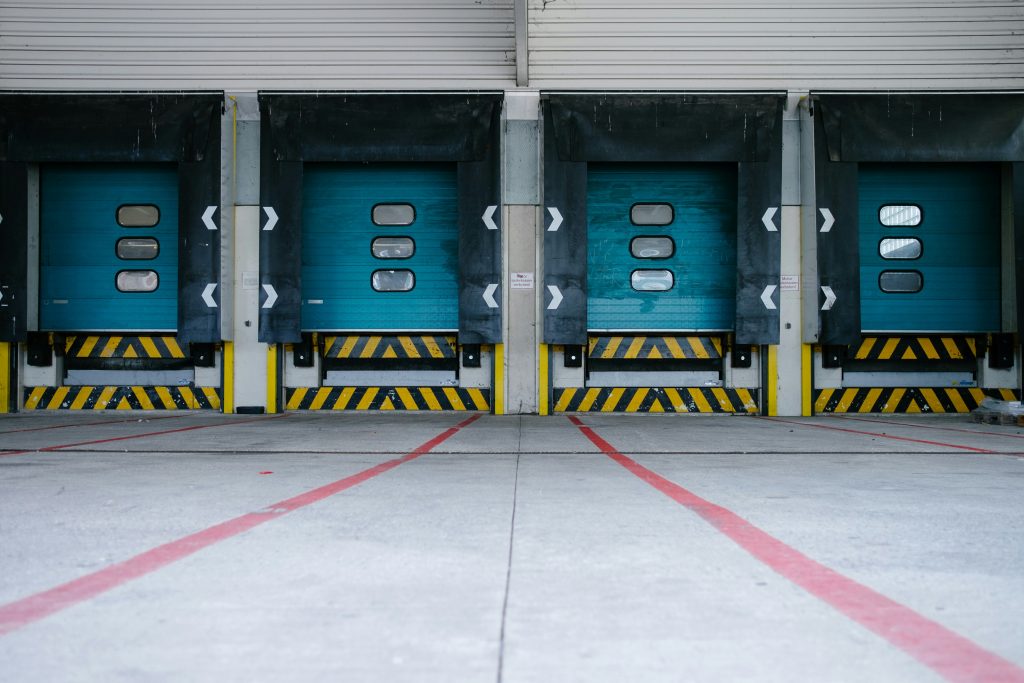
Load shifts are any unintended movement of freight inside the trailer or container. It could be a few pallets creeping, an entire stack tilt, or a full redistribution of weight after a hard brake, sharp turn, rough rail segment, or simply poor blocking and bracing.
Why it matters:
- Safety risks: Falling pallets at the door, unstable center of gravity, tip hazards.
- Legal/weight issues: Axle overweight or uneven distribution after the shift.
- Product integrity: Crushed cartons, broken pallets, contaminated packaging (especially food/pharma).
- Service impact: Rejections, delays, chargebacks, and missed appointments.
How to tell it’s happening (before you open the doors)
- The trailer feels different: swaying more, pulling to one side, or braking oddly.
- You hear movement thuds, sliding, banding snapping.
- External clues: tilt, broken seal or damaged doors, or a scale ticket that suddenly doesn’t make sense vs. the load plan.
When in doubt, assume there’s a shift and proceed cautiously.
What to do right away (driver/dispatcher playbook)
- Pull over safely and secure the area. No doors open on live traffic lanes.
- Don’t swing the doors wide if pallets are leaning on them. Crack one door an inch or two with the retaining bar in place and inspect from the ground.
- Call dispatch (and shipper/receiver if needed) to align on next steps—especially if breaking a seal could affect acceptance.
- Document everything: photos of seal, doors, interior, and any visible damage; note times, locations, and conversations.
- Decide: continue, or divert to a rework/cross-dock. If safety, legality, or receiver compliance is at risk, divert. Fixing it now is cheaper than a reject later.
For hazmat or significant product spills, follow your carrier’s hazmat protocol immediately and notify the appropriate authorities. Safety first—always.
At the rework/cross-dock: what actually happens
- Stabilize and unload safely. Use restraints, load bars, or forklifts to neutralize tip hazards before the first move.
- Rebuild the units. Swap broken pallets, re-stack layers to proper Ti/Hi, add corner boards/top caps, and re-wrap or band.
- Relabel if needed. Fix SSCC/UCC-128 placement, add missing case labels, or apply retail/routing labels.
- Balance the trailer. Re-block/brace and redistribute weight to meet axle limits and improve handling.
- Proof and paperwork. Photo the rework, update counts, note exceptions on the BOL, and sync with the receiver on revised ETAs.
Common reasons loads shift (and how to prevent repeats)
- Void space and poor blocking/bracing: Use load bars, straps, dunnage bags, and friction mats to remove slack.
- Over height or top heavy pallets: Respect height limits; put heavy items low; add corner protection and more wrap.
- Weak or broken pallets: Upgrade to better deck boards; reject compromised skids before loading.
- Mixed or unstable layers: Keep consistent case sizes per layer; avoid “pyramid” tops without top caps.
- Wrong weight distribution: Plan the load for axle balance, not just total gross; keep mass centered and low.
- Mode change (road ↔ rail ↔ ocean): Rail and ocean need more securement; adjust the recipe for the segment.
Small improvements at loading save big headaches on the road.
Will the receiver take it after a shift?
It depends on condition, compliance, and communication:
- Condition: If product is clean, intact, and reworked to spec, many receivers will accept.
- Compliance: Pallet type, max height (e.g., 72″), label placement, and single-SKU rules must be met.
- Communication: Call ahead from the rework site with photos and a new ETA; align on expectations before you roll.
If the product is compromised (wet, crushed, contaminated), expect partial acceptance or a full rejection and plan secondary disposition (return, salvage, or disposal) per your customer’s instructions.
Claims & documentation (protect your position)
- Photograph before, during, and after rework.
- Record seal numbers, temperatures (for reefers), and any OS&D (over/short/damage) on the BOL.
- Keep a simple label log if you relabel (old → new).
- Save scale tickets if you adjusted the load for axle compliance.
- File promptly per your contracts clean files get resolved faster.
Special notes by freight type
- Food & beverage: Watch for temperature abuse and packaging breach; many receivers require rejection if integrity is uncertain.
- Pharma/medical: Chain-of-custody and temperature excursions are critical; coordinate with QA before acceptance.
- Hazmat: Segregation and securement rules are strict—use certified teams and follow reporting protocols if anything spills.
- Floor-loaded imports: Plan palletization at a cross-dock near the port or ramp; don’t arrive floor-loaded to a pallet-only receiver.
Cost reality: rework vs. rejection
Paying for a couple of hours at a cross-dock is almost always cheaper than:
- Detention + missed appointment fees
- A receiver rejection and second attempt
- Product loss, claims, and chargebacks
- Safety incidents and equipment damage
Fix it once, fix it right, and move on.
How to reduce the risk next time
- Engineer the load shifts plan for the actual route and mode (road vs. rail).
- Train loaders and drivers together on securement and why it matters to safety and claims.
- Add a pre-departure check: bars/straps in place, no big voids, heavy items low/centered, labels visible, pallets sound.
- Use cross-dock proactively for late or tricky freight; treat same-day sort/relabel as a planned step, not a fire drill.
When a load shifts, think people first, then product, then paperwork. Stabilize safely, divert to a rework/cross-dock if anything looks questionable, and communicate with the receiver before you roll. With clean fixes and clean documentation, you can turn a rough door-open into an on-time delivery and learn enough to make the next run uneventful.