
The European Union’s new €2 small parcel fee has quickly become a talking point across the global e-commerce and logistics landscape. While any new fee naturally raises questions about cost and complexity, this change is best understood as a structural adjustment rather than a disruption. For brands, marketplaces, and fulfillment providers that move quickly and think strategically, the fee can actually accelerate smarter, more resilient fulfillment models.
At its core, the policy reflects the EU’s effort to address the rapid growth of cross-border e-commerce, particularly low-value shipments entering Europe in high volumes. The result is how e-commerce fulfillment is optimized.
What is Crossdocking ? (Read our Article here)
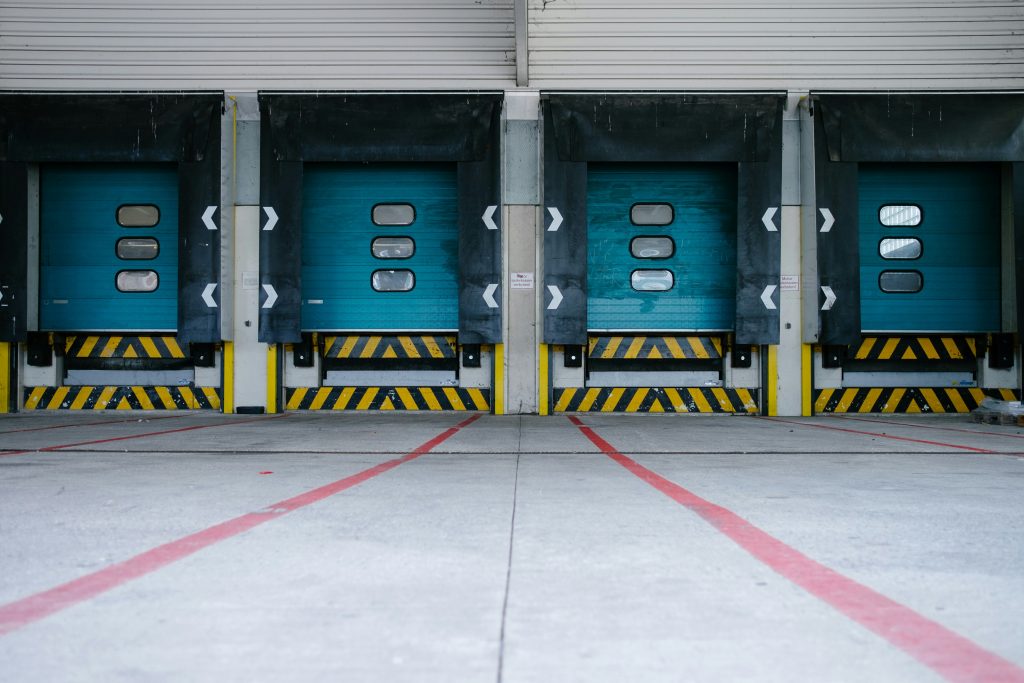
Crossdocking is a logistics method where incoming freight is unloaded, sorted, and shipped out with little to no storage time. Products flow directly from the receiving dock to outbound transportation.
Benefits of crossdocking:
- Faster delivery – Goods reach stores or customers within hours.
- Lower storage costs – Reduces the need for warehousing.
- Fewer handling steps – Less damage and labor.
- Improved inventory turnover – Products move quickly and efficiently.
What the €2 Small-Parcel Fee Is Designed to Address
Small parcels have become the backbone of modern e-commerce. Millions of low-value shipments arrive in the EU every day, driven by global marketplaces, direct-to-consumer brands, and international sellers. This volume places pressure on customs systems, inspection capacity, and fair competition with EU-based sellers.
The €2 fee is intended to:
- Offset the administrative cost of processing high volumes of parcels
- Encourage better customs data quality and compliance
- Level the playing field between EU and non-EU sellers
- Improve oversight without restricting trade
Rather than discouraging e-commerce, the policy aims to modernize how it’s managed at scale.
How the Fee Changes the Cost Equation for E-Commerce
On an individual order, €2 may seem modest. At scale, however, it becomes meaningful especially for sellers shipping thousands of low margin parcels per month. This shifts attention from unit economics alone to fulfillment strategy as a whole. The key change isn’t that shipping suddenly becomes unviable. It’s that inefficient fulfillment models are exposed more clearly. Businesses that rely heavily on single-parcel, direct-from-origin shipments now have a stronger incentive to rethink how orders enter and move within Europe. This is where opportunity begins to emerge.
Acceleration Toward Regional Fulfillment in the EU
One of the most immediate effects of the €2 fee is renewed interest in EU-based fulfillment and inventory positioning. By consolidating shipments into bulk moves and distributing orders locally, sellers can reduce the number of parcels subject to individual fees. Regional fulfillment centers allow brands to:
- Ship inventory in larger, more cost-efficient loads
- Shorten last-mile delivery times
- Improve customer experience and return handling
- Reduce per-order administrative costs
For many sellers, the fee acts as a catalyst to move closer to European customers—a shift that often pays off beyond cost savings.
Smarter Consolidation and Order Management
The new fee also encourages better parcel consolidation strategies. Instead of shipping single items individually, sellers are increasingly bundling orders or consolidating shipments upstream before final delivery. This approach:
- Reduces the total number of parcels entering the EU
- Improves packaging efficiency
- Lowers per unit fulfillment overhead
- Creates more predictable customs flows
In practice, this leads to cleaner operations and fewer touchpoints, which benefits both logistics providers and customs authorities.
Compliance and Data Quality Take Center Stage
Another important impact of the €2 fee is the increased focus on accurate customs data and documentation. As small parcels receive more scrutiny, errors in declarations become more costly. E-commerce businesses are responding by investing in:
- Better product classification
- Clearer valuation processes
- Automated customs data integration
- Tighter coordination with carriers and platforms
This shift improves compliance and reduces friction at the border. Over time, it leads to faster clearance and fewer delivery delays.
Marketplace and Platform Adaptation
Marketplaces and e-commerce platforms play a major role in how the fee is absorbed and managed. Many platforms are already adjusting their pricing structures, checkout transparency, and fulfillment options to account for the new cost. For sellers, this often means:
- Clearer fee visibility at checkout
- More standardized shipping options
- Integrated fulfillment and compliance services
These changes help normalize the fee and reduce surprise costs for consumers.
Impact on Delivery Speed and Customer Experience
One concern around new fees is whether they slow delivery or hurt customer satisfaction. In many cases, the opposite is happening. As sellers shift toward regional fulfillment and smarter logistics models, customers benefit from:
- Faster delivery times
- More reliable tracking
- Easier returns
- Reduced customs delays
The fee encourages fulfillment strategies that are closer, faster, and more predictable, which aligns well with customer expectations.
A Push Toward Sustainable E-Commerce Logistics
There’s also an environmental angle. Consolidated shipments, regional fulfillment, and reduced parcel volume all contribute to lower emissions per order. Fewer individual parcels crossing borders means less air freight, less duplication, and more efficient last-mile delivery. While sustainability may not be the primary goal of the fee, the operational changes it encourages often support greener logistics outcomes.
Why This Change Favors Operationally Mature Brands
The €2 small-parcel fee tends to favor sellers who already invest in logistics discipline. Brands with strong data, flexible fulfillment networks, and experienced partners adapt quickly and often improve margins over time. For newer or less structured sellers, the fee becomes a signal that logistics maturity matters. Those who respond strategically strengthen their long-term position in the EU market.
Turning Policy Into a Competitive Advantage
Rather than viewing the fee as a penalty, many e-commerce leaders see it as an inflection point. It prompts overdue conversations about:
- Where inventory should live
- How orders should flow
- Which partners add real value
- How compliance supports scale
Companies that make these adjustments early gain efficiency and resilience that outlast the policy itself.
A Small Fee With Big Strategic Implications
The EU’s €2 small-parcel fee is not a barrier to e-commerce growth; it’s a course correction. It encourages smarter fulfillment, stronger compliance, and more customer-centric logistics models. For e-commerce businesses willing to adapt, the fee becomes an opportunity to streamline operations, improve delivery performance, and build a more scalable European presence. In that sense, its impact reaches far beyond €2 per parcel it reshapes how modern e-commerce fulfillment works in practice.