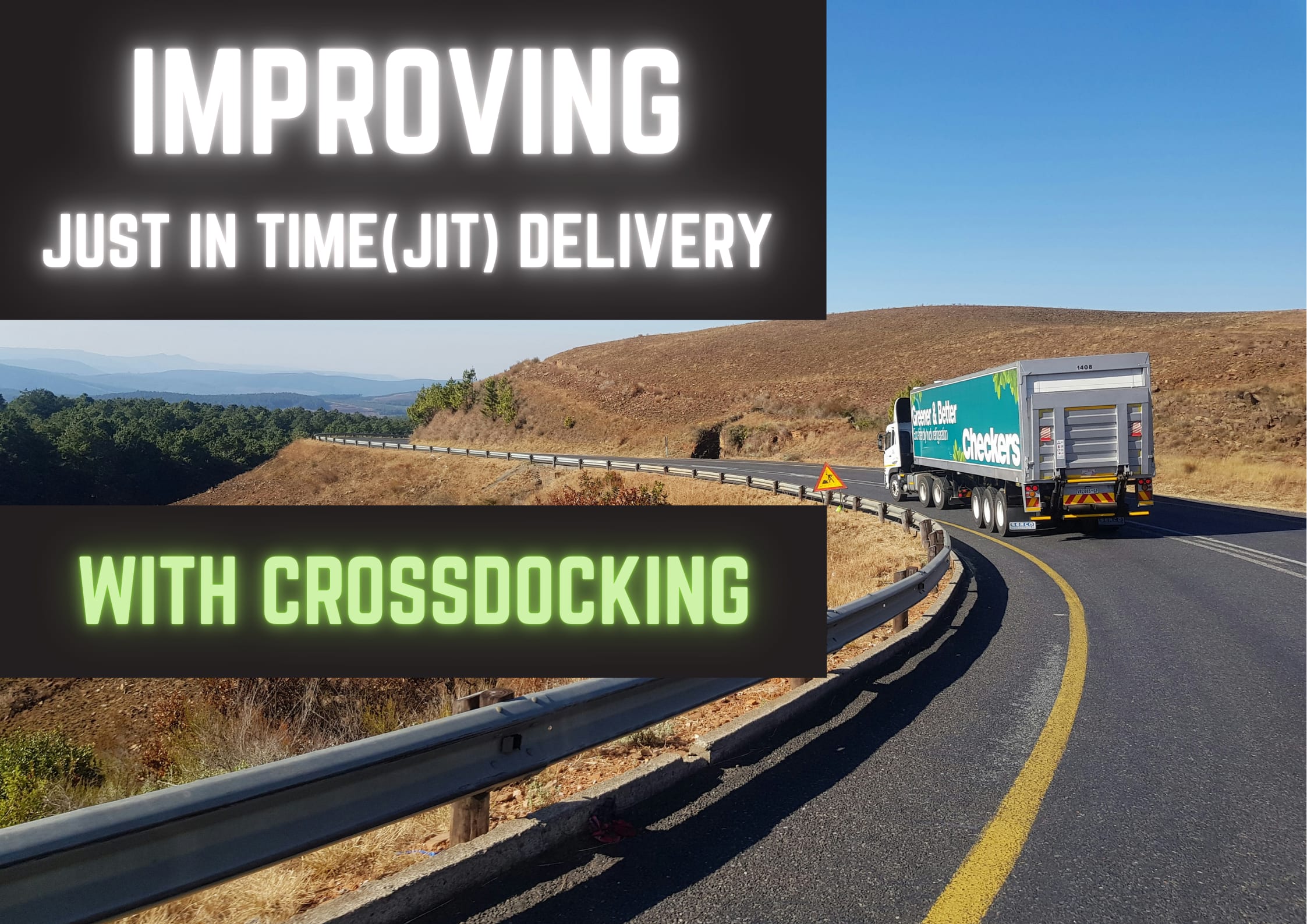
Just-in-Time (JIT) delivery is the holy grail for lean supply chains. By delivering materials only as they’re needed, businesses can cut down on inventory costs, minimize waste, and boost operational agility. But here’s the catch: JIT only works when every part of the supply chain fires on all cylinders—including warehousing and distribution.
That’s where cross-docking enters the picture. Acting as a logistical power-up, cross-docking supports JIT by streamlining the flow of goods from suppliers to production lines (or retail shelves) without getting bogged down in storage. In this article, we’ll explore how cross-docking reinforces Just-in-Time delivery and why the two strategies are perfect partners in modern logistics.
Understanding the Relationship: JIT and Cross-Docking
JIT is a logistics and manufacturing strategy where materials, components, or products are delivered exactly when needed—no sooner, no later. This minimizes on-site inventory, cuts storage costs, and enhances cash flow. But it also raises the stakes: any delay, mismatch, or stockout can halt production.
What Is Cross docking? (Read the Full Article Here): Cross-docking is a process where goods arrive at a distribution center or warehouse and are immediately transferred to outbound transport—bypassing long-term storage. This reduces handling, accelerates delivery, and ensures goods stay in motion.
Why they work together: JIT Needs speed and timing. Cross docking delivers both. By reducing dwell time and increasing inventory visibility, cross-docking creates a smoother, more reliable pipeline for JIT execution.
1. Eliminating Inventory Holding: Core to JIT Success: Storage Is the Enemy of Agility: Traditional warehousing holds products “just in case.” JIT flips that—delivering “just in time.” But to pull that off, you need a system that keeps goods moving, not sitting. This lean flow allows manufacturers and retailers to reduce buffer stock without increasing risk—because they can trust the supply chain to deliver on time.
Cross-docking is tailor-made for this:
- Inbound goods go straight to outbound docks
- No delays for stocking or picking
- No capital locked up in idle inventory
2. Reducing Lead Times with Faster Throughput – Every Minute Matters in JIT: Cross docking dramatically shrinks the time between receiving and shipping. What might take days in a traditional warehouse can now happen in hours. For JIT systems, this means replenishments arrive right when needed—keeping production lines humming and orders flowing.
Lead time improvements:
- Faster inbound-to-outbound transfer
- Fewer handling steps = fewer delays
- Real-time updates on product movement
3. Supporting Vendor-Managed Inventory (VMI) – VMI + Cross-Docking = JIT Magic: Many JIT strategies use Vendor Managed Inventory, where suppliers are responsible for delivering stock just as it’s needed. Cross-docking helps vendors stay in control. This alignment keeps stock low, replenishment tight, and shelves filled with exactly what’s needed, nothing more, nothing less by giving them;
- Real-time visibility of what’s inbound and outbound
- Automated alerts for demand changes
- A fast, reliable handoff point for restocking
4. Enhancing Transportation Efficiency for Timely Deliveries: Smarter Shipments Keep JIT on Track: Cross-docking enables more precise transportation planning a must for JIT. Instead of shipping to storage, goods ship directly to production or point of sale. This direct-to-use model ensures materials arrive at their final destination with minimal lag, reducing the risk of stock outs.
Benefits:
- Optimized routing and scheduling
- Full truckloads with minimal handling
- Coordinated delivery windows based on real-time demand
5. Real Time Inventory Control and Forecasting – You Can’t Deliver JIT Without Real-Time Data: JIT hinges on having the right product at the right time—and that means knowing exactly what’s in transit, what’s arriving, and what’s needed.
Cross docking facilities equipped with:
…can track everything as it happens. This level of insight helps teams forecast better, avoid over ordering, and respond instantly to changes in demand.
6. Minimizing Waste and Maximizing Shelf Life, JIT Works Best with Fresh, Fast Moving Inventory: Cross-docking reduces the risk of product spoilage, especially for perishable goods. No time spent sitting in storage means:
- Longer shelf life
- Less waste due to expiration
- Higher product quality on delivery
This is especially valuable for industries like grocery, pharmaceuticals, and food service—where JIT is not just a strategy, but a necessity.
7. Scaling JIT with Supply Chain Agility – Cross Docking Makes Lean Logistics Scalable: Many companies hesitate to scale JIT because they fear disruptions. You gain agility without losing control—so your JIT strategy can grow alongside your business. Cross-docking removes that fear by offering,
- Flexible routing for last-minute changes
- Rapid redistribution across networks
- Reduced reliance on large distribution centers
Best Practices: Integrating Cross-Docking into Your JIT Strategy
- Start Small: Use cross-docking for a select group of SKUs or a high-velocity supplier.
- Align Vendors: Ensure they understand your timelines and cross-docking SOPs.
- Invest in WMS and Tracking Tech: Visibility is key to JIT success.
- Use Predictive Analytics: Anticipate demand spikes and align transport accordingly.
- Measure Everything: Dock time, delivery variance, inventory turns—track it all to fine-tune performance.
Cross-docking and Just-in-Time delivery are a natural fit for any logistics team aiming to do more with less. Together, they create a high-speed, low-waste system where inventory is always in motion, lead times are trimmed to the bone, and supply chain confidence runs high. When done right, cross docking doesn’t just support JIT—it supercharges it. It turns the warehouse from a storage unit into a precision logistics hub, where every inbound shipment has a purpose and every outbound truck leaves on time. If your JIT strategy is hitting bottlenecks, cross-docking might just be the missing piece of the puzzle.
FAQs
- Can cross-docking work with all types of JIT systems?
Yes, but it works best with high-volume, low-variability products and reliable supplier schedules. - Does JIT require 100% cross-docking?
Not always. Many operations use hybrid models—cross-docking for fast movers, storage for slow movers. - How does cross-docking affect supplier relationships?
It tightens them. Suppliers must be timely and accurate. Strong SLAs and shared forecasting tools help. - What tech is required for JIT and cross-docking integration?
At minimum, a robust WMS, inventory scanning tools, and real-time tracking. AI and predictive tools are a plus. - How do I convince stakeholders to invest in cross-docking for JIT?
Show them the ROI: reduced storage costs, faster delivery, less waste, and improved production uptime.