
Cold storage is no longer just about keeping products cold. It has become a strategic pillar of modern supply chains, supporting everything from food safety and pharmaceutical integrity to customer trust and regulatory compliance. As demand for fresh, frozen, and temperature-sensitive products continues to grow, cold storage solutions are evolving rapidly to meet higher expectations for efficiency, visibility, and reliability.
Today’s cold storage operations blend smart design, advanced technology, and disciplined processes. When done right, they don’t just preserve products—they protect value, reduce waste, and enable growth.
What is Crossdocking ? (Read our Article here)
Crossdocking is a logistics method where incoming freight is unloaded, sorted, and shipped out with little to no storage time. Products flow directly from the receiving dock to outbound transportation.
Benefits of crossdocking:
- Faster delivery – Goods reach stores or customers within hours.
- Lower storage costs – Reduces the need for warehousing.
- Fewer handling steps – Less damage and labor.
- Improved inventory turnover – Products move quickly and efficiently.
Why Cold Storage Matters More Than Ever
Temperature; controlled logistics sits at the intersection of quality, safety, and speed. Whether it’s fresh produce, frozen foods, biologics, or specialty chemicals, even small temperature deviations can result in spoilage, compliance risk, or lost revenue.
Cold storage plays a critical role in:
- Food safety and shelf-life preservation
- Pharmaceutical and medical product integrity
- Regulatory compliance and audit readiness
- Customer confidence and brand reputation
As product variety and distribution complexity increase, cold storage must do more than store—it must perform.
Facility Design Innovations Driving Efficiency
Modern cold storage facilities are being designed with efficiency and adaptability at the forefront. Instead of static layouts, today’s facilities support fast movement, flexible staging, and precise temperature zoning.
Key design innovations include:
- Multi temperature zones within a single facility
- High density racking to maximize cubic utilization
- Rapid close doors and air curtains to limit temperature loss
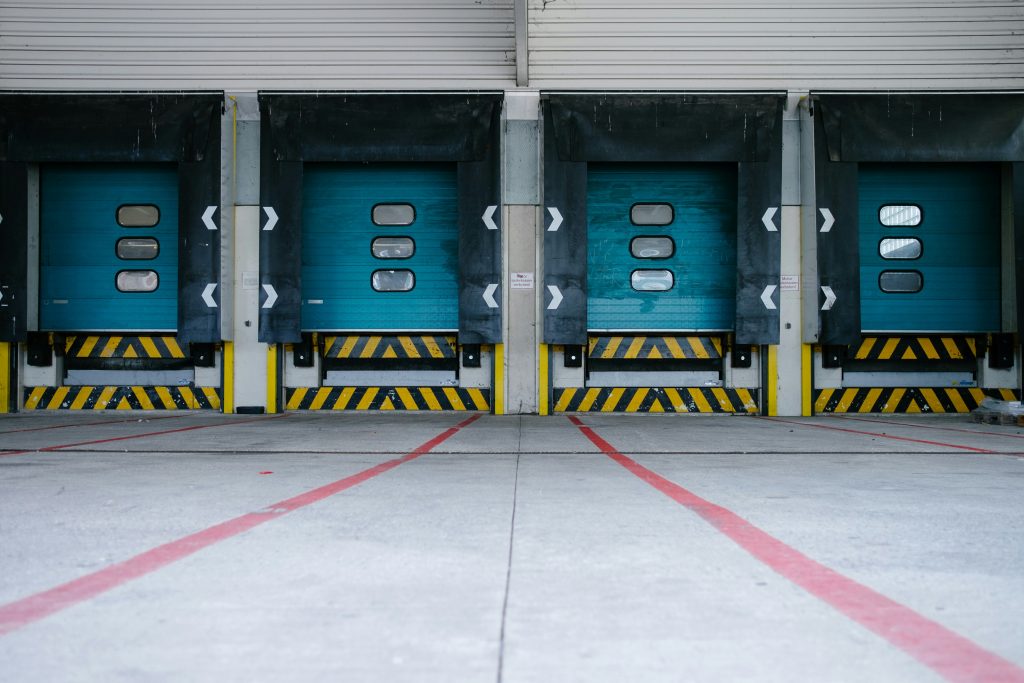
- Optimized dock layouts to reduce dwell time during loading
These designs reduce energy consumption while improving throughput, helping facilities balance cost control with performance.
Automation Changing the Cold Storage Experience
Automation is having a major impact in cold storage environments, where labor can be more challenging and conditions more demanding. Storage and retrieval systems, conveyors, and robotic pallet movers allow facilities to:
- Minimize human exposure to extreme temperatures
- Increase consistency and accuracy
- Improve throughput without adding labor strain
- Operate more efficiently during peak demand
Automation also supports round-the-clock operations, ensuring cold storage facilities remain responsive even as volumes fluctuate.
Real Time Temperature Monitoring and Visibility
One of the most important innovations in cold storage is continuous temperature monitoring. IoT sensors and connected platforms now provide real-time visibility into temperature, humidity, and dwell time across the facility and during transport.
This visibility allows teams to:
- Detect deviations immediately
- Take corrective action before spoilage occurs
- Maintain complete audit trails
- Share data transparently with partners and customers
Instead of reacting after a failure, cold storage operations can now prevent issues before they escalate.
Energy Efficiency and Sustainable Cold Storage
Cold storage is energy; intensive by nature, making sustainability both a challenge and an opportunity. Modern facilities are adopting innovations that reduce environmental impact while lowering operating costs.
Best practices include:
- High efficiency refrigeration systems
- Variable-speed compressors and smart controls
- LED lighting designed for cold environments
- Renewable energy integration where feasible
Sustainable cold storage isn’t just good for the planet—it’s good for long-term operational resilience.
Process Discipline and Best Practices
Technology alone doesn’t guarantee success. Cold storage operations rely on disciplined processes to maintain consistency and safety.
Best practices include:
- Clearly defined temperature handling protocols
- FIFO and FEFO inventory management
- Rapid cross-docking for temperature-sensitive products
- Standardized inspection and documentation procedures
Process discipline ensures that products move quickly and safely through the cold chain without unnecessary exposure or delay.
Cold Storage for High Risk and High Value Products
Certain products demand an even higher level of control. Pharmaceuticals, biologics, and specialty foods often require tight temperature tolerances and strict documentation.
Cold storage solutions for these products emphasize:
- Segregated storage zones
- Enhanced monitoring and alerts
- Secure access controls
- Detailed chain of custody records
These measures protect both product integrity and regulatory compliance, reducing risk across the supply chain.
Workforce Training in Cold Environments
People remain a critical part of cold storage success. Working in temperature-controlled environments requires specialized training and thoughtful design.
Best practices for workforce enablement include:
- Rotational schedules to reduce cold exposure
- Ergonomic equipment designed for cold conditions
- Clear visual SOPs and digital work instructions
- Safety training specific to cold storage hazards
Well-trained teams operate more safely, efficiently, and confidently, even in demanding environments.
Integrating Cold Storage Into the Broader Supply Chain
Cold storage works best when it’s fully integrated into the broader logistics network. Real-time inventory visibility, transportation coordination, and demand planning ensure temperature-sensitive products arrive where and when they’re needed.
Integration supports:
- Faster response to demand changes
- Reduced dwell time at docks
- Improved coordination with carriers
- More accurate forecasting
Cold storage becomes a flow-through enabler, not a bottleneck.
Reducing Waste Through Smarter Cold Storage
One of the most powerful benefits of modern cold storage solutions is waste reduction. Better visibility, faster movement, and tighter controls help prevent spoilage and expired inventory.
Reducing waste:
- Improves margins
- Supports sustainability goals
- Strengthens customer trust
- Enhances operational efficiency
Every saved pallet represents preserved value and reduced environmental impact.
Future-Focused Cold Storage Strategies
The future of cold storage is flexible, intelligent, and integrated. Facilities are being designed to support multiple product categories, adapt to demand swings, and incorporate new technologies as they emerge.
As consumer expectations evolve and regulations tighten, cold storage operations that invest in innovation today will be better positioned to scale tomorrow.
Conclusion: Cold Storage as a Competitive Advantage
Cold storage is no longer just a support function—it’s a strategic capability. Innovations in facility design, automation, monitoring, and sustainability are transforming how temperature-sensitive products move through the supply chain.
When paired with disciplined processes and trained teams, modern cold storage solutions protect product quality, reduce waste, and build trust across the supply chain.
For organizations that depend on precision and reliability, cold storage isn’t just about staying cold—it’s about staying competitive.