
Let’s paint a picture. You’re shipping something expensive, delicate, or both maybe it’s high end electronics, pharmaceutical products, luxury fashion items, or even antique furniture. You’ve carefully packed everything, double-checked your insurance, and hit “Ship.” But then you hear the phrase: “cargo transition.”
And suddenly, your heart skips a beat. Wait… my fragile, high-value freight is going to be moved between trucks and trains? Maybe even transferred at a hub or warehouse? Is that safe?! That’s a very fair concern; and one that businesses and shippers ask all the time. When your cargo is worth thousands (or even millions), or when it can’t be replaced easily, safety is everything. So let’s answer the big question:
Is cargo transition safe for fragile or high-value freight? Yes – if it’s done right.
In this article, we’ll walk you through:
- What cargo transition actually involves
- Why it can make people nervous (especially with sensitive goods)
- How fragile and high value freight can be safely transitioned
- What measures need to be in place for secure handling
- Common mistakes (and how to avoid them)
- Pro tips for protecting your most precious cargo
Let’s dive in and give you the confidence to transition fragile freight like a pro.
What is Crossdocking ? (Read our Article here)
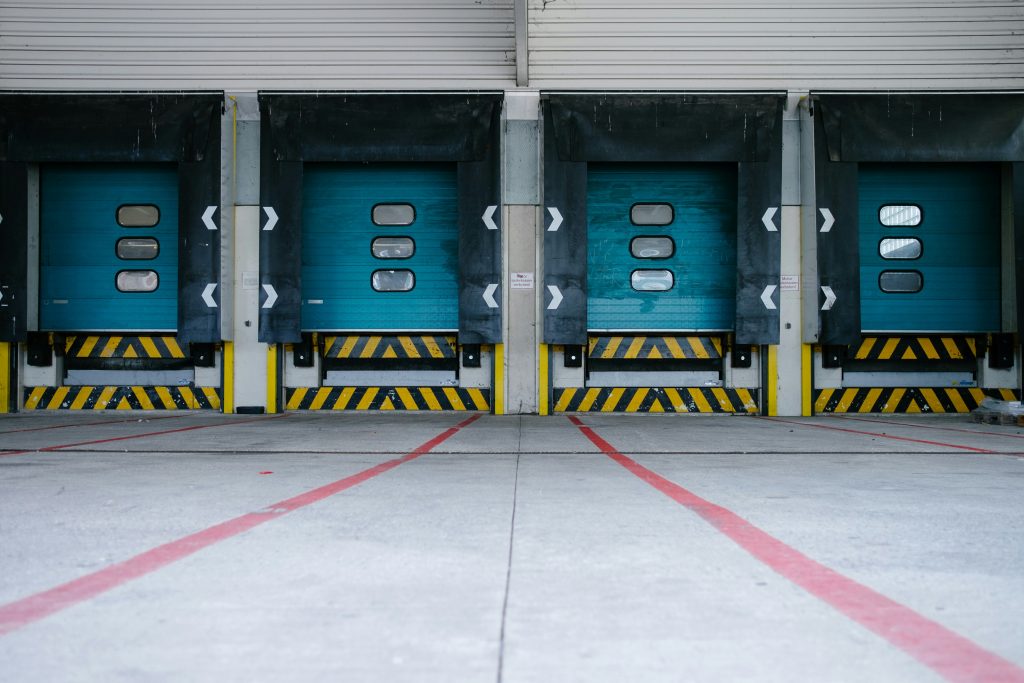
Crossdocking is a logistics method where incoming freight is unloaded, sorted, and shipped out with little to no storage time. Instead of sitting on shelves, products flow directly from the receiving dock to outbound transportation.
Benefits of crossdocking:
- Faster delivery – Goods reach stores or customers within hours.
- Lower storage costs – Reduces the need for warehousing.
- Fewer handling steps – Less damage and labor.
- Improved inventory turnover – Products move quickly and efficiently.
First; What is Cargo Transition, Exactly? In simple terms, cargo transition refers to the process of moving freight between different modes of transport, containers, warehouses, or carriers during its journey. Think of it like switching planes during a layover but for your cargo. Examples of cargo transitions:
- Truck → Rail
- Rail → Ocean container
- Container → Warehouse
- Carrier A → Carrier B
- Warehouse → Last-mile delivery truck
Every time your freight switches hands, vehicles, or containers, it undergoes a transition. This is super common in intermodal shipping, global logistics, and even standard eCommerce fulfillment.
Why the Concern With Fragile or High-Value Freight? It’s simple: every transition is a risk. More transfers = more chances for:
- Mishandling
- Dropping
- Theft
- Loss
- Delays
- Exposure to the elements
When your cargo is fragile (glassware, artwork, electronics) or valuable (luxury goods, pharmaceuticals, high-end tools), even one small mistake can turn into a very expensive problem. So it’s totally normal to wonder: Is it better to ship directly? Is a transition worth the risk? The good news? It can absolutely be safe if you take the right steps.
Types of Fragile or High-Value Freight That Can Be Transitioned Safely: Let’s be clear: thousands of fragile and high-value shipments are successfully transitioned every single day around the world.
Here are some common types of sensitive freight that can (and do) transition across multiple modes of transport:
Luxury Goods & Jewelry
- Handbags
- Watches
- Fine jewelry
- Designer clothing
These typically travel in sealed, tamper-proof containers with GPS tracking and security escorts, especially during transitions between carriers.
Pharmaceuticals & Medical Supplies
- Vaccines
- Temperature sensitive meds
- Surgical tools
- Diagnostic equipment
These are usually shipped in reefer containers, tracked in real-time, and monitored for temperature at each transition point.
High End Electronics
- Smartphones
- Laptops
- TVs
- Servers & data center equipment
Often shipped in anti-static packaging, surrounded by foam or air cushions, and palletized for stability.
Art, Antiques & Museum Pieces
Handled by specialized carriers who use white-glove service, climate-controlled trucks, and strict handling protocols during transitions.
Fine Wine & Spirits
- Stored in temperature-controlled containers
- Carefully packed to avoid vibration or breakage
- Insured heavily for damage or loss
Scientific or Lab Equipment; Often packed in custom crates, with shock sensors and monitored during transit. Ideal for air and ground transitions when routed through secure logistics networks.
How to Make Cargo Transition Safe for Fragile or High-Value Goods
Alright here’s where the magic happens. If you’re planning to ship valuable or delicate freight, here’s how to do it safely through multiple transitions.
1. Use Specialized Packaging: This is non-negotiable.
- Fragile freight needs cushioning: foam, bubble wrap, packing peanuts, molded inserts, etc.
- Valuables need tamper-evident seals and anti-theft packaging.
- Always use strong outer containers think double walled boxes, wooden crates, or hard cases.
And yes palletize when you can. Pallets keep goods stable and easier to move during transitions.
2. Work With Trusted, Experienced Carriers Not all carriers are created equal especially when it comes to sensitive freight.
Look for carriers that offer:
- White-glove or specialty freight handling
- Real-time tracking and security monitoring
- Certified HAZMAT or pharmaceutical handling (if applicable)
- Clear chain-of-custody documentation
Don’t just choose the cheapest option. Go for reputation, reviews, and safety records.
3. Insure Your Cargo (Seriously!) If your cargo is worth protecting, it’s worth insuring. Most standard shipping insurance covers basic freight—but not always full value or special conditions (like temperature damage or theft).
Ask your logistics provider about:
- Declared value coverage
- All risk cargo insurance
- Special coverage for fragile items or reefer failure
4. Limit the Number of Transitions (When Possible) Fewer transitions = fewer chances for problems. Sometimes, consolidating your route and avoiding unnecessary transfers (like from one warehouse to another) can significantly reduce risk. Ask your freight broker or 3PL: “What’s the most direct intermodal path we can use?”
5. Add Security Features for High-Value Freight: Security tech has come a long way. You can now ship cargo with:
- GPS trackers
- Door sensors
- Temperature monitors
- Shock/vibration indicators
- Tamper-evident seals
All of these help you and your carrier know if something goes wrong during a transition.
6. Provide Clear Labels and Handling Instructions: Slap a “FRAGILE” sticker on it? Good start. But go further.
- Use “Top Load Only,” “Do Not Stack,” “This Side Up” labels
- Include contact info for the consignee
- Attach a packing slip and item manifest for reference
Make it crystal clear what’s inside and how to handle it.
7. Use 3PLs or Freight Forwarders Specializing in Sensitive Freight If you’re nervous about managing it all yourself, hand it off to pros.
Some 3PLs specialize in:
- Luxury logistics
- Medical freight
- High tech transportation
- Art & museum cargo
They’ll coordinate each transition point and ensure every handler is up to spec.
Common Mistakes to Avoid With Fragile or High-Value Transitions
Let’s keep you out of the danger zone. Here are the biggest slip-ups we see when transitioning delicate or pricey goods:
1. Using Basic Carriers for Sensitive Freight Standard parcel or LTL carriers are great for everyday shipments—but not necessarily for rare, fragile, or valuable stuff. Always check if they have experience with high-sensitivity freight.
2. Skimping on Packaging One layer of bubble wrap won’t save your shipment from forklift drops or rough transitions. Package like your item’s life depends on it—because it kind of does.
3. Not Monitoring in Real Time Don’t just “set it and forget it.” If your cargo is important, monitor it through every transition with GPS, sensors, or at least live carrier updates.
4. Ignoring Customs or Border Requirements (International Freight): High value items may face extra scrutiny at customs. Delays, inspections, or seizures can all happen without the right paperwork.
Always include:
- Commercial invoices
- Certificates of origin
- Itemized packing lists
- Serial numbers or lot numbers for traceability
Real World Example: Transitioning Medical Equipment Let’s look at a real-world scenario to show how cargo transition works for sensitive freight.
Scenario:
- A hospital in Chicago orders diagnostic machines from Germany.
- The machines cost over $500,000 each.
- They’re temperature-sensitive and fragile.
The Journey:
- Shipped from Germany via air freight to New York (Transition 1)
- Cleared through customs at JFK Airport (Transition 2)
- Transferred to a white-glove delivery service in climate-controlled trucks (Transition 3)
- Delivered to the hospital’s receiving dock (Final delivery)
Safety Measures Used:
- Custom foam-padded crates
- GPS + temperature monitoring
- Tamper proof seals
- All risk insurance
- Chain of custody forms signed at every handoff
Result: Flawless delivery. Zero damage. Hospital installs the machines within hours of arrival.
Is Cargo Transition Riskier Than Direct Shipping? Not necessarily. Yes, transitions introduce more touchpoints but with smart planning and the right partners, they can be just as safe—if not safer—than trying to drive a high-value shipment thousands of miles on a single truck.
Think of it like this:
Direct shipping = one driver, one vehicle, limited visibility
Cargo transition = multiple secure hubs, specialized equipment, more oversight
It’s not about the number of transitions. It’s about how well each one is handled.
So… is cargo transition safe for fragile or high-value freight? Yes, absolutely—but only when you do it right. With proper packaging, trustworthy partners, real-time monitoring, and a solid game plan, cargo transitions can actually enhance the safety and control of sensitive shipments. Whether you’re moving high-end electronics, fine art, pharmaceuticals, or anything else that can’t afford to be dropped, scratched, or delayed you can ship it safely across trucks, rail, air, and containers using well-managed transitions. So don’t let the idea of transitions scare you. Embrace them with the right tools and team and you’ll ship smarter, safer, and more confidently than ever before.