
Defense procurement cooperation between the United States and the European Union is entering a more coordinated and operationally aligned phase. What once functioned through parallel systems is increasingly becoming a shared ecosystem; one where interoperability, speed, and reliability matter as much as cost and capability.
Also, for logistics professionals, this cooperation carries significant implications. Defense supply chains are being redesigned to support joint procurement, shared standards, and cross border fulfillment at scale. The result is not added complexity, but greater clarity and resilience across transatlantic defense logistics.
What is Crossdocking ? (Read our Article here)
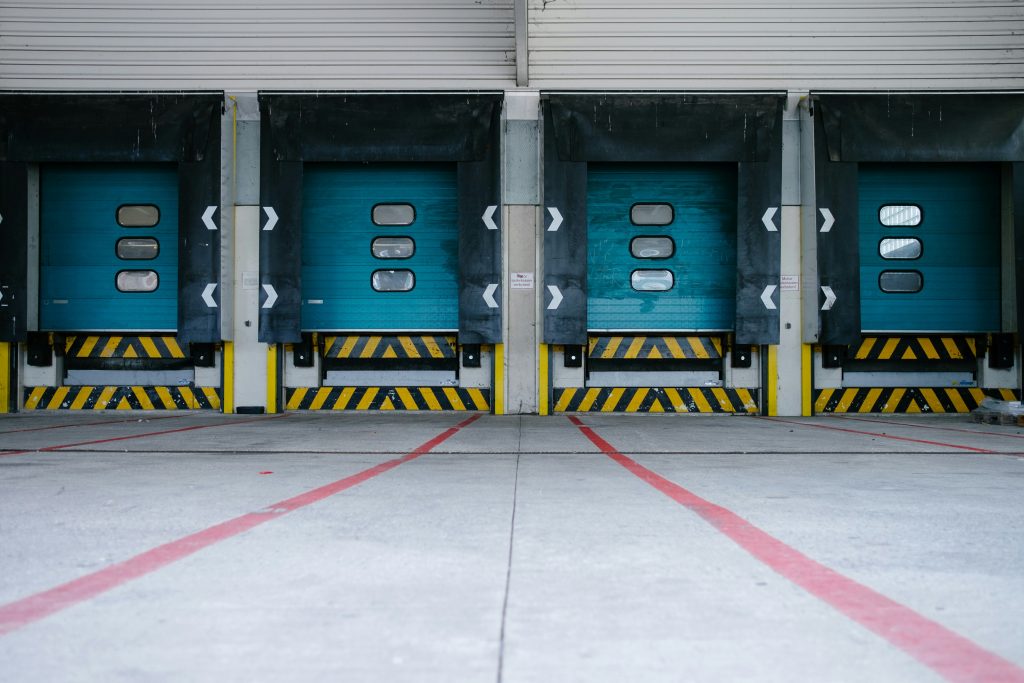
Crossdocking is a logistics method where incoming freight is unloaded, sorted, and shipped out with little to no storage time. Products flow directly from the receiving dock to outbound transportation.
Benefits of crossdocking:
- Faster delivery – Goods reach stores or customers within hours.
- Lower storage costs – Reduces the need for warehousing.
- Fewer handling steps – Less damage and labor.
- Improved inventory turnover – Products move quickly and efficiently.
Why Defense Procurement Is Becoming More Integrated
Global security dynamics have accelerated collaboration between the US and EU. Joint procurement initiatives reduce duplication, improve readiness, and strengthen collective defense capabilities. To support this shift, logistics must evolve from country specific execution to networked, alliance ready operations. This integration requires supply chains that can move sensitive materials quickly, securely, and compliantly across borders; often under strict timelines and regulatory oversight.
Standardization Drives Logistics Efficiency
One of the most impactful outcomes of US & EU procurement cooperation is increased standardization. Shared specifications, compatible platforms, and aligned sourcing strategies reduce fragmentation across defense programs. From a logistics perspective, standardization simplifies handling, storage, and transport. Fewer variations mean more predictable movement, better inventory planning, and faster deployment. Logistics networks benefit from repeatable processes rather than one off solutions. Consistency becomes a force multiplier.
Cross Border Flow Without Friction
Next, defense procurement cooperation relies on smooth cross border movement of components, systems, and support equipment. This pushes logistics networks to operate with high precision and minimal delay. Customs processes, documentation standards, and clearance protocols are being aligned to reduce friction. Logistics teams are increasingly involved early in procurement planning, ensuring that movement considerations are built into contracts from the start. When logistics is designed upstream, execution downstream becomes faster and more reliable.
Security Embedded Into Logistics Design
Better yet, defense logistics has always prioritized security, but cooperation raises expectations further. Shared procurement means shared responsibility for safeguarding goods throughout the supply chain. Logistics providers are enhancing:
- Chain-of-custody controls
- Secure facilities and transport
- Real-time tracking and monitoring
- Controlled access and auditability
Security is no longer an added layer; it’s embedded into the flow itself. This integration supports both compliance and operational speed.
Regional Hubs and Strategic Positioning
Following that, you have joint procurement is encouraging the development of regional logistics hubs that support multiple defense partners. These hubs act as consolidation points for storage, maintenance, and onward distribution. By positioning inventory strategically within allied regions, defense organizations reduce response times and improve readiness. Logistics networks shift from linear pipelines to flexible webs that can respond quickly to evolving needs. Regionalization strengthens collective capability.
Transloading and Modular Distribution Models
Transloading plays a critical role in defense logistics under cooperative frameworks. Modular distribution models allow equipment and components to be reconfigured closer to operational theaters. This approach improves adaptability without compromising security. Logistics teams can adjust loads, routes, and destinations based on mission requirements while maintaining full traceability. Modularity replaces rigidity without sacrificing control.
Technology as the Backbone of Coordination
Digital integration underpins effective US & EU defense logistics cooperation. Shared platforms for tracking, inventory management, and compliance enable real time coordination across borders. Advanced analytics help anticipate demand, identify bottlenecks, and allocate resources proactively. Technology ensures that complex networks behave as a unified system rather than disconnected parts. Visibility creates confidence at every level.
Supplier Networks Align With Defense Priorities
Procurement cooperation influences supplier behavior as well. Defense suppliers are aligning production and logistics practices with alliance requirements, ensuring compatibility and continuity. Logistics teams work closely with suppliers to:
- Coordinate delivery schedules
- Ensure secure transport
- Maintain compliance across jurisdictions
This alignment reduces risk and improves execution under shared procurement frameworks.
Balancing Readiness With Cost Discipline
While defense logistics prioritizes readiness, cost discipline remains important. Cooperative procurement allows for shared logistics resources, pooled inventory, and optimized transport planning. These efficiencies reduce duplication without compromising capability. Logistics networks become leaner while maintaining the ability to surge when needed. Efficiency and readiness reinforce each other when logistics is well designed.
Training and Workforce Alignment
As logistics networks integrate, training becomes critical. Teams must understand both national requirements and alliance-level standards. Joint training initiatives, shared best practices, and common operating procedures improve coordination and reduce friction. A well-aligned workforce executes faster and with greater confidence. People remain central to successful logistics cooperation.
Resilience Through Redundancy and Coordination
Defense logistics cooperation doesn’t eliminate redundancy: it redefines it intelligently. Shared networks allow partners to support one another during disruptions, whether caused by supply shortages or operational surges. Coordinated redundancy strengthens resilience without unnecessary cost. Logistics networks are built to absorb shocks collectively rather than individually.
What This Means for Logistics Leaders
Additionally, for logistics leaders, US & EU defense procurement cooperation elevates the role of logistics from support function to strategic enabler. Early involvement, strong partnerships, and investment in secure, flexible infrastructure become essential. Those who adapt quickly gain trust, responsibility, and long term relevance within the defense ecosystem.
Logistics as the Foundation of Defense Cooperation
Now finally, US–EU defense procurement cooperation is reshaping how defense logistics operates across the Atlantic. Through standardization, security integration, regional hubs, and shared technology, logistics networks are becoming faster, stronger, and more resilient. Rather than adding complexity, cooperation creates clarity. It aligns logistics with shared defense goals and ensures that capability can be delivered where and when it’s needed. In this new environment, logistics is not just supporting defense; it is foundational to collective readiness.