
EU customs reform has quietly triggered one of the most important shifts in modern logistics: the rapid evolution of package handling technology. As customs authorities demand more visibility, better data, and tighter compliance; especially for high volume, low value parcels warehouses and fulfillment networks are responding with smarter, faster, and more integrated handling systems.
What’s emerging is not friction, but progress. Package handling is becoming more intelligent, more automated, and more connected than ever before, helping logistics providers adapt smoothly to new rules while improving speed and accuracy at the same time.
What is Crossdocking ? (Read our Article here)
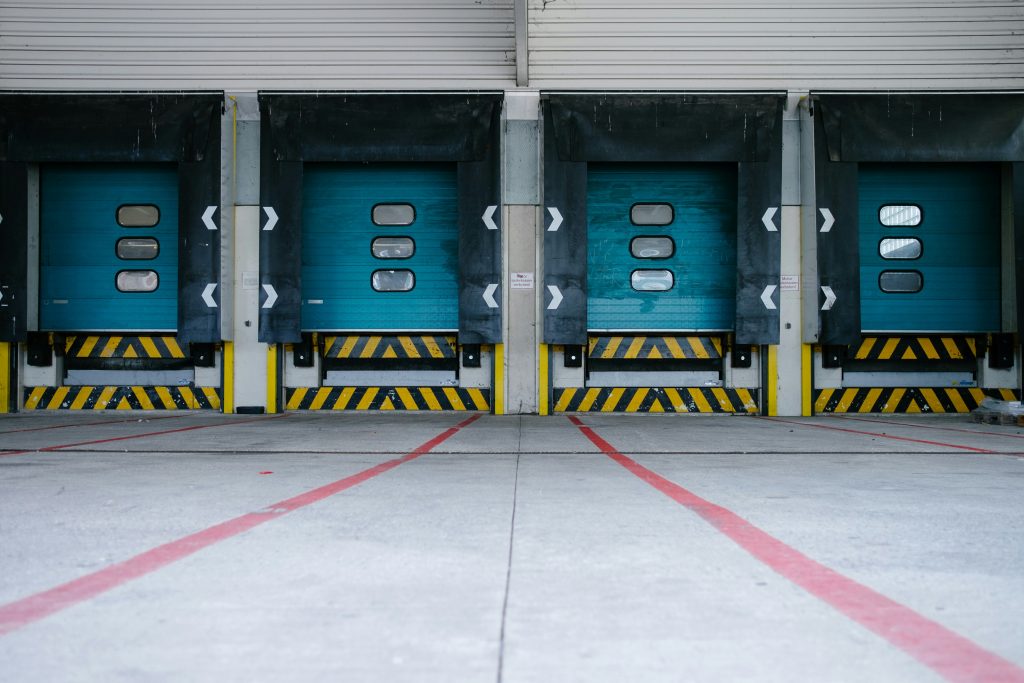
Crossdocking is a logistics method where incoming freight is unloaded, sorted, and shipped out with little to no storage time. Products flow directly from the receiving dock to outbound transportation.
Benefits of crossdocking:
- Faster delivery – Goods reach stores or customers within hours.
- Lower storage costs – Reduces the need for warehousing.
- Fewer handling steps – Less damage and labor.
- Improved inventory turnover – Products move quickly and efficiently.
Why EU Customs Reform Changed the Rules for Package Handling
At the heart of EU customs reform is one core expectation: every package counts. Where small parcels once moved with minimal oversight, they are now subject to more consistent data requirements, tracking expectations, and compliance checks.
This has pushed handling operations to evolve beyond manual scanning and batch processing. Packages must now be:
- Individually identifiable
- Digitally traceable
- Correctly classified at speed
- Ready for inspection without disrupting flow
Handling technology had to catch up; and it has.
From Manual Touches to Intelligent Flow
In the past, package handling relied heavily on manual sorting, visual checks, and human decision making. That model struggles under modern parcel volumes and regulatory expectations. Post reform operations are moving toward intelligent flow, where systems guide packages through facilities with minimal friction. Conveyor networks, smart diverts, and automated sortation now work together to route parcels based on destination, compliance status, and delivery priority in real time. The result is faster movement with fewer errors even as complexity increases.
Advanced Scanning and Data Capture at Every Touchpoint
One of the biggest changes has been the rise of high-resolution, multi-data scanning. Modern handling systems capture far more than just a barcode.
Today’s scanners can simultaneously:
- Read multiple codes on irregular packaging
- Capture weight and dimensions instantly
- Link parcel IDs to customs data
- Flag discrepancies before parcels leave the building
This ensures that packages are “customs-ready” long before they reach the border, reducing holds and delays downstream.
Automated Sortation Built for Compliance
Sortation technology has evolved from simple destination routing to compliance-aware decision-making. Packages are no longer sorted only by carrier or region, but also by regulatory status. For example, systems can automatically separate:
- Parcels requiring additional documentation
- Goods subject to duties or special handling
- Shipments flagged for inspection
- Fully cleared parcels ready for dispatch
This allows compliance processes to happen in parallel with fulfillment, rather than slowing everything down at the end.
AI and Rules Engines Driving Smarter Handling
Artificial intelligence and rules based engines now play a central role in package handling decisions. Instead of relying on static workflows, systems evaluate parcels dynamically as they move. These engines assess factors like:
- Product category and value
- Destination country requirements
- Seller compliance history
- Carrier and service level
Based on this, packages are routed, held, or expedited automatically. This reduces manual intervention and helps operations scale without sacrificing accuracy.
Modular Automation for Small Parcels
EU customs reform has accelerated demand for modular automation; systems that can scale with parcel volume without massive infrastructure changes.
Rather than one large, rigid system, modern facilities deploy:
- Modular conveyors
- Flexible robotic sorters
- Adjustable induction stations
- Scalable scanning cells
This makes it easier to adapt as regulations evolve and parcel mix changes. Flexibility is now as valuable as speed.
Better Exception Handling Without Bottlenecks
Exceptions are inevitable in a regulated environment. What’s changed is how they’re handled. Modern package handling systems are designed to isolate exceptions without stopping flow. Parcels that need review are diverted automatically to inspection lanes or compliance workstations, while the rest continue moving. This prevents the “one bad parcel slows everything” problem and keeps throughput high even during audits or peak periods.
Integration Between Handling Tech and Customs Platforms
Post-reform success depends heavily on integration. Package handling technology now connects directly to customs platforms, marketplaces, and carrier systems. This integration allows:
- Real-time status updates
- Automatic document validation
- Faster release decisions
- Cleaner audit trails
Handling systems are no longer just mechanical: they’re digital participants in the customs process.
Improved Ergonomics and Workforce Enablement
As automation increases, the role of warehouse teams evolves. Handling tech now supports workers with better ergonomics, clearer instructions, and safer workflows. Touchscreens, guided workstations, and visual cues help teams resolve exceptions efficiently without physical strain. This makes compliance-heavy environments more sustainable for people, not just systems. Better tech leads to better working conditions; and better outcomes.
Sustainability Benefits as a Side Effect
Smarter package handling also brings environmental gains. Faster sorting, fewer rehandles, and better routing reduce energy use and material waste. Right sizing, reduced damage, and cleaner flow mean fewer returns and reships. While sustainability may not be the primary goal of customs reform, tech enabled efficiency supports greener logistics naturally.
What This Means for E-Commerce and Logistics Providers
For e-commerce brands and logistics operators, the evolution of package handling tech is a competitive advantage. Those who invest early benefit from:
- Faster customs clearance
- Lower per-parcel handling costs
- Improved delivery reliability
- Stronger compliance confidence
Rather than reacting to reform, leading organizations are using it to modernize operations that were overdue for an upgrade.
Looking Ahead: Handling Tech as a Strategic Asset
EU customs reform isn’t a one-time change: it’s part of a broader move toward data-driven trade oversight. Package handling technology will continue to evolve alongside it. Future systems will be even more predictive, adaptive, and integrated. The line between handling, compliance, and fulfillment will continue to blur; creating faster, smarter supply chains.
Progress Through Precision
The evolution of package handling technology after EU customs reform tells a clear story: when rules change, innovation follows. What could have slowed logistics instead accelerated smarter design, better data use, and more resilient operations. Today’s package handling systems don’t just move parcels they translate regulation into flow. And in doing so, they help logistics networks move forward with confidence, clarity, and control.