
The After Christmas Reality
It’s December 30th. 🎄 While the holiday cheer is still lingering in the air and people are lounging in pajamas surrounded by wrapping paper and leftover cookies, logistics teams everywhere are gearing up for a different kind of holiday rush. Welcome to Return Season the real logistics marathon that kicks off the moment the last gift is unwrapped. It’s not glamorous. It’s not full of bows and sparkle. But it’s absolutely critical to your bottom line.
Because for every gift that sparked joy, there’s another that didn’t fit, wasn’t quite right, arrived too late, or (let’s be honest) just missed the mark.
So what do you do with the flood of merchandise coming back your way?
You rework it. You resell it. You reclaim it. You maximize its value. This, friends, is where rework and reverse logistics come in to save the day, and your profit margins. In this post-holiday deep dive, we’ll hit:
- What reverse logistics really is (and isn’t)
- The vital role of rework in saving returned products
- How to streamline your returns process
- Ways to recover cost, reduce waste, and boost sustainability
- The industries winning at returns
- And practical tips to turn post-Christmas chaos into gold
Let’s unwrap the power of post holiday logistics done right. 🎁
What is Crossdocking ? (Read our Article here)
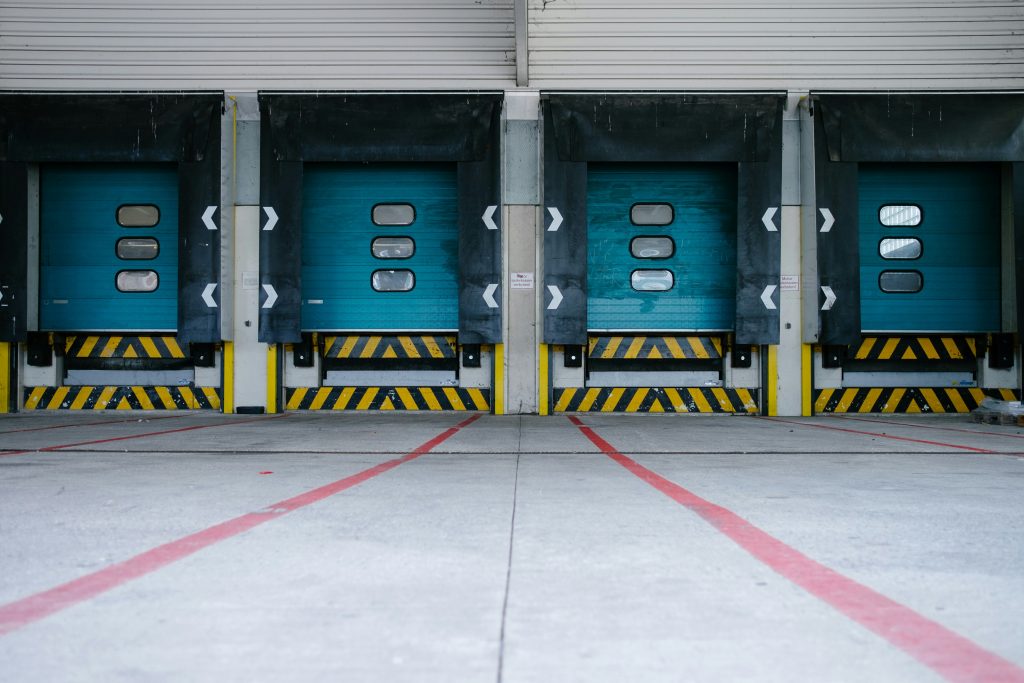
Crossdocking is a logistics method where incoming freight is unloaded, sorted, and shipped out with little to no storage time. Instead of sitting on shelves, products flow directly from the receiving dock to outbound transportation.
Benefits of crossdocking:
- Faster delivery – Goods reach stores or customers within hours.
- Lower storage costs – Reduces the need for warehousing.
- Fewer handling steps – Less damage and labor.
- Improved inventory turnover – Products move quickly and efficiently.
What is Reverse Logistics? (And Why You Should Care)
Reverse logistics is the process of moving goods back through the supply chain, from customer to warehouse, manufacturer, or disposal. Unlike regular logistics (which is about getting products to customers), reverse logistics handles:
- Customer returns
- Product recalls
- Damaged or defective goods
- Overstock or unsold inventory
- Recycling and disposal
- Rework and refurbishment
In simple terms: everything coming back that didn’t go as planned. But here’s the secret: reverse logistics isn’t just about damage control. It’s a strategic opportunity to reclaim value, build loyalty, and optimize your supply chain.
Why Are Returns So High After Christmas?
Ah, the post-holiday rush. Retailers brace themselves for it every year. And for good reason. According to industry studies:
- 30–40% of ecommerce holiday purchases are returned
- Brick-and-mortar stores average 8–10% return rates
- Fashion, electronics, and home goods top the return charts
Reasons?
- Wrong size, color, or style
- Duplicate gifts
- Changed minds
- Damaged during shipping
- Items didn’t arrive on time
- Buyer’s remorse (yes, it’s a thing)
So, what happens to all that stuff?
Rework: The Unsung Hero of Post-Holiday Logistics
Here’s where rework comes into play. Rework is the process of inspecting, repairing, repackaging, or otherwise fixing returned items so they can be resold or reused instead of being written off as losses. Think of it as a product rehab center. Not every returned item is unsalvageable. Many are:
- Open box but unused
- Missing minor parts (easy to replace)
- Damaged packaging but product intact
- Slightly defective (repairable)
- Returned in perfect condition, ready to resell
Reworking goods means giving them a second life and giving you a second chance to profit.
Examples of Rework in Action
- Electronics: A returned laptop with a cracked screen gets a replacement screen and is resold as certified refurbished.
- Apparel: A dress with a loose thread is repaired, steamed, and returned to the sales floor.
- Furniture: A dented table leg is repaired and repainted before resale.
- Toys: A missing accessory is added back to a toy set and reboxed for resale.
Each reworked item is cost saved and waste avoided.
Benefits of Rework and Reverse Logistics
1. Saves Revenue Reworking a returned item costs far less than manufacturing or ordering new stock. You can recover 25–90% of an item’s value depending on its condition.
2. Reduces Waste Returned items often end up in landfills; even if they’re usable. Rework cuts down on waste and aligns with sustainability goals.
3. Improves Inventory Flow Refurbished items can fill stock gaps without ordering new product. This is especially helpful during supply chain slowdowns.
4. Enhances Customer Trust Customers want easy returns, but they also care about sustainability. Reworking returned goods shows your brand cares about waste and smart recovery.
5. Strengthens Operational Efficiency A structured rework and reverse logistics plan reduces bottlenecks, lowers warehouse congestion, and increases long-term ROI.
Key Elements of an Effective Returns + Rework Program
1. Clear Return Guidelines Create policies that:
- Encourage condition-based returns
- Offer partial refunds or credit for opened items
- Clarify restocking fees or return shipping charges
Clear terms = less confusion = smoother returns.
2. Return Merchandise Authorization (RMA) System Use RMA numbers to:
- Track reasons for return
- Log item condition
- Route products to the correct department (QC, repairs, etc.)
3. Inspection & Grading Process Not all returns are created equal. Create a grading scale:
- A – New/unused (restock)
- B – Minor rework (fix + restock)
- C – Major rework (refurbish or discount resale)
- D – Salvage or recycle
- F – Destroy/dispose
This helps you sort efficiently and avoid waste.
4. Dedicated Rework Area Set up a rework station near your returns dock. Equip it with:
- Tools and parts for basic repairs
- Replacement packaging
- Cleaning supplies
- Inspection checklists
- Access to inventory and RMA systems
5. QC + Triage Team
Train a team to:
- Inspect items
- Perform quick repairs
- Determine resale readiness
- Input updates into your system
The faster items are reworked, the faster they return to your inventory pipeline.
Common Pitfalls in Post-Holiday Reverse Logistics (and How to Avoid Them)
1. Not Planning Ahead Don’t wait until Dec 26 to figure out how you’ll handle returns. Create workflows and assign staff in advance.
2. Skipping Inspections One bad item restocked into inventory can ruin customer trust. Inspect everything—even if it looks fine.
3. No Rework Process in Place If you don’t have a rework plan, usable items may go straight to liquidation—or worse, landfill.
4. Lack of System Integration Disconnected systems = lost return data. Use software that integrates returns, inventory, and fulfillment to close the loop.
Industries That Win Big With Rework and Reverse Logistics
- Retail & Ecommerce With return rates between 20–40%, reworking and reselling is essential to maintaining margins.
- Consumer Electronics Products like laptops, phones, and accessories are often reboxed and resold as certified refurbished.
- Apparel & Fashion Clothing returns are high; but many can be cleaned, retagged, and resold.
- Industrial Equipment Returned or slightly used tools often undergo reconditioning and are sold at discounted rates.
- Seasonal Goods Holiday décor and toys can be repackaged and stored for next season or sold through outlet channels.
Sustainability and the Rework Revolution
Beyond profits, there’s a bigger win: planet friendly operations. Every returned item that’s repaired, reused, or recycled instead of trashed:
- Reduces landfill use
- Saves raw materials
- Shrinks your carbon footprint
Consumers notice. Brands who lead in returns sustainability win loyalty and stand out.
Post-Holiday Logistics Tips for a Smooth Return Season
1. Communicate with Customers Make return instructions clear and friendly. A smooth process builds goodwill and repeat business.
2. Offer Return Options In-store, drop-off, mail-in, or locker returns—flexibility reduces stress on your team and boosts satisfaction.
3. Automate What You Can Use barcode scanning, auto-refunds, and status updates to reduce manual work and speed things up.
4. Track Common Return Reasons Use return data to spot trends:
- Are certain SKUs returned more often?
- Is packaging failing in transit?
- Are sizing charts confusing?
Fix the root causes = fewer returns next year.
5. Plan Secondary Sales Channels For reworked or returned goods:
- Offer open box discounts
- Use clearance or outlet platforms
- List refurbished items separately online
- Partner with liquidators for salvage freight
Every item resold is value recovered.
Turn Returns into Wins
The day after Christmas isn’t just about dealing with the mess it’s about finding hidden gold in that mountain of returns.
With a strong rework and reverse logistics strategy, you can:
- Reduce loss
- Recover value
- Impress customers
- Support sustainability
- Keep operations running smooth
So while others drown in boxes and blame the holiday rush, you’ll be running a returns engine that’s efficient, eco-friendly, and profitable. This season, don’t just ship smarter, return smarter too. Because in the end, every return is an opportunity waiting to be unwrapped.