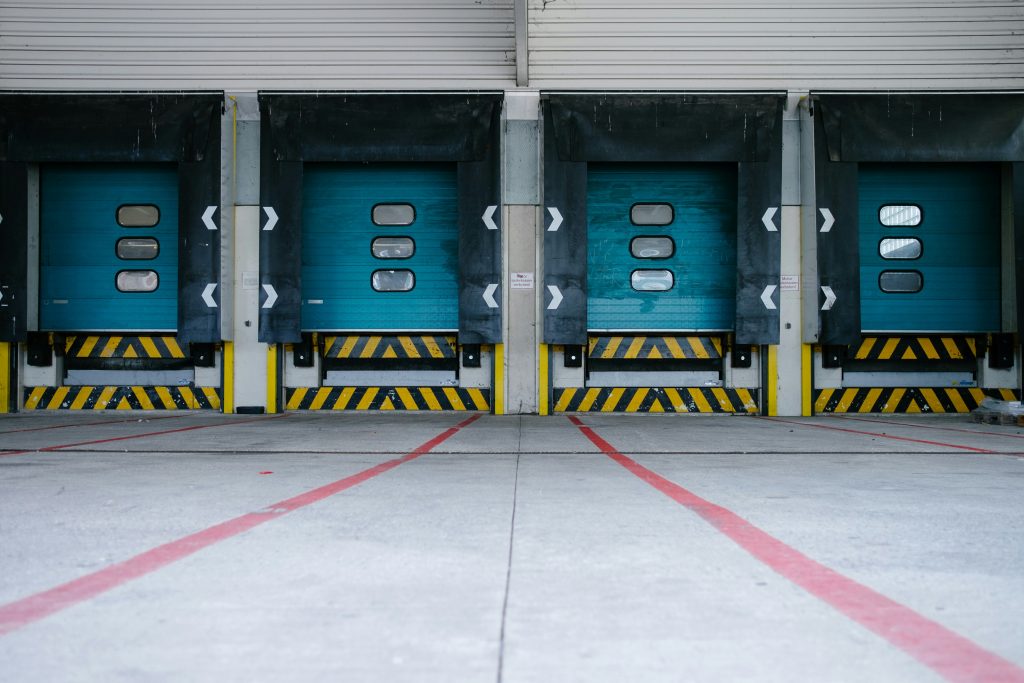
Picture this: Santas sleigh, or a truck… Backs into your dock, the driver rolls up the door, and you see the freight—damaged pallets, shrink wrap hanging off the side, boxes leaning like the Tower of Pisa. Now you’re asking yourself: “Was this stuff packed wrong?”/ “Did it shift in transit?”/ “Should I even sign for it?”
And more importantly: “Who’s responsible?” That’s where inspection and quality checks on inbound freight come in. In today’s fast-moving logistics world, freight isn’t just about getting from Point A to Point B; it’s about getting there right. Damage, miscounts, and poorly packed shipments cost time, money, and trust. Whether you run a warehouse, manage retail distribution, or operate a crossdock facility, having a reliable process in place to inspect and verify inbound shipments is essential for keeping your supply chain smooth and your customers satisfied.
So if you’re wondering:
- What do freight inspections involve?
- Who performs them?
- How do quality checks save money and prevent claims?
- Can a logistics partner handle this for you?
Then grab a coffee or nutmeg and let’s unpack the full picture; because yes, its beginning to look a lot like Christmas inspection and quality checks on inbound freight aren’t just possible… they’re one of the smartest moves you can make.
What is Crossdocking ? (Read our Article here)
Crossdocking is a logistics method where incoming freight is unloaded, sorted, and shipped out with little to no storage time. Instead of sitting on shelves, products flow directly from the receiving dock to outbound transportation.
Benefits of crossdocking:
- Faster delivery – Goods reach stores or customers within hours.
- Lower storage costs – Reduces the need for warehousing.
- Fewer handling steps – Less damage and labor.
- Improved inventory turnover – Products move quickly and efficiently.
What Is Inbound Freight Inspection?
Let’s start at the top. Inbound freight inspection is the process of examining shipments as they arrive at a facility—before they’re accepted into inventory, transferred, or signed for. The goal? Catch any problems before they become your problem.
- Counting items to match the bill of lading (BOL) or packing list
- Checking packaging for damage or signs of tampering
- Examining labels for accuracy and routing
- Inspecting pallets for structural integrity
- Documenting issues like shortages, overages, or defects
- Taking photos for records or claims
- Reporting discrepancies to carriers or suppliers
Inbound inspection is the first line of defense for product quality, supply chain visibility, and cost control.
Why Inbound Quality Checks Matter (More Than You Think)
It’s tempting to think, “The carrier delivered it. Let’s just move it into stock.” But here’s why skipping inspections is risky business:
1. Damage During Transit is More Common Than You Think
- Improperly secured loads shift
- Boxes get crushed under heavy pallets
- Forklifts poke holes through shrink wrap
- Moisture ruins sensitive goods
If you don’t inspect, you may not discover damage until days (or weeks) later—too late to file a claim.
2. Quantity Discrepancies Hurt Inventory Accuracy
- You ordered 24 pallets, but only 22 showed up
- Packing slips say 100 items, but you got 87
- Some SKUs are totally missing
If you miss it on arrival, it throws off your inventory, causes stockouts, and may trigger billing disputes.
3. Claims and Returns are Hard Without Proof Carriers and suppliers almost always ask:
- “Do you have photos?”
- “Was it noted on the BOL?”
- “Did your team sign for it in good condition?”
If you accepted the freight without inspecting it good luck getting compensated.
4. Bad Freight = Lost Sales Damaged or defective product sitting in your warehouse? That’s dead inventory that could have been caught and replaced early.
What’s Actually Included in an Inbound Freight Inspection?
Let’s go beyond the basics. A true quality check on inbound freight should cover the 7 key elements of a thorough inspection:
1. Shipment Condition Check
- Are boxes/pallets visibly damaged?
- Is there evidence of moisture, punctures, or crushing?
- Are goods properly sealed and secured?
2. Quantity Verification
- Does the item count match the packing slip?
- Are all cartons and pallets accounted for?
- Any missing or extra items?
3. Label and SKU Verification
- Are labels legible and correct?
- Do product codes match expected SKUs?
- Are items routed to the correct department or location?
4. Packaging Integrity
- Is the packaging suitable for storage or reshipment?
- Are shrink wraps intact?
- Are pallets stable?
5. Photo Documentation
- Photos of any visible damage
- Images of BOLs, packing slips, or unusual labels
- Before and after unwrapping (if needed)
6. BOL Notation and Sign-Off
- Any exceptions or issues should be written on the BOL
- Driver signs and acknowledges condition
- Notes are used for future claims
7. Digital or Manual Reporting
- Issue logs entered into WMS or ERP
- Reports sent to customer, carrier, or shipper
- Optional inspection forms filed for records
Do Logistics Providers Offer Inbound Inspections?
Yes many do! And if you’re outsourcing any part of your supply chain, it’s something you should absolutely ask about.
- Your 3PL or warehouse partner receives the shipment
- They perform visual inspections, counts, and quality checks
- You receive a detailed report via email, WMS dashboard, or portal
- If issues are found, they flag them immediately and document for claims or follow-up
- You decide whether to accept, reject, or rework the freight
It’s peace of mind without the micromanagement.
Top Benefits of Offering (or Using) Inbound Inspection Services
Let’s talk about why you want this baked into your supply chain.
1. Early Issue Detection: You catch problems right away—not when your customer complains two weeks later.
2. Clean Data and Accurate Inventory: Inspections keep your WMS accurate. You’re not logging inventory that never really arrived.
3. Easier Claims Processing: Photos + documented BOL notes = faster reimbursements or supplier credits.
4. Reduced Returns and Customer Complaints: If bad freight gets caught before it hits the shelves or ecommerce bin, you protect your reputation and minimize reverse logistics.
5. Better Vendor Accountability: Regular issues? You’ve got proof. You can hold vendors to packaging and quality standards.
Industries Where Inbound Inspection is a Must
Retail & E-Commerce
- Damaged items = negative reviews
- Missing SKUs = out-of-stock listings
- Returns are expensive—prevention is better
Medical & Pharma
- Must comply with temperature, handling, and labeling standards
- Errors can cost lives or regulatory compliance
Industrial and Construction
- Tools, parts, and materials must be intact and accounted for
- Delays = project overruns and lost money
Food & Beverage
- Moisture, temperature, or contamination must be identified on arrival
- No room for error with perishables
What to Look For in an Inspection Service Provider
Want someone else to handle inbound quality checks? Make sure they offer:
Trained Receiving Staff
- Can spot subtle signs of damage
- Understand SKU systems and packaging protocols
Integrated Systems
- Can update your WMS in real-time
- Issue digital reports and photo documentation
- Use barcodes or RFID scanning
Clear SOPs (Standard Operating Procedures)
- Consistent process for every inbound shipment
- Clear escalation paths when issues are found
Custom Inspection Options
- Light inspections for low-risk freight
- Detailed checks for fragile or high-value shipments
- Checklists based on your product type
Bonus: Should You Charge Vendors for Failed Inspections?
In some contracts, companies pass along inspection or rework costs to vendors whose freight fails quality checks. You might charge for:
- Rewrapping or repacking
- Disposal of unusable goods
- Rush shipments to replace damaged inventory
- Re-inspection labor
This keeps everyone accountable and raises supply chain standards. So, do we offer inspection and quality checks on inbound freight? Absolutely and we believe it’s one of the most valuable services in modern logistics. Inbound inspections aren’t just about damage control. They’re about:
- Protecting your business from bad freight
- Keeping your inventory clean and accurate
- Streamlining your warehouse operations
- Making sure your customers always receive the right goods in perfect condition
Whether you run a warehouse, a retail chain, or an e-commerce brand, inspection services are the kind of small step that creates big confidence across your entire supply chain. So the next time that trailer backs up to the dock, you won’t be crossing your fingers. You’ll be checking off your inspection list and your Christmas list; moving forward with confidence.