
How long does a shifted load repair depends on how bad the shift is, what the receiver requires, and where you fix it (on the trailer vs. at a cross-dock).
- Light touch-ups (in-trailer): ~15–45 minutes
- Partial re-stack (2–8 pallets): ~1–3 hours
- Trailer-wide rework (10–22 pallets): ~2–4 hours
- Full transload/rebuild: ~3–6 hours
- Floor-loaded container → palletized: ~4–8+ hours (complexity-driven)
Those ranges assume you’ve got a dock, equipment, and supplies ready. Below is how to tell where your situation lands and how to shave time without cutting corners.
What is Crossdocking ? (Read our Article here)
Crossdocking is a logistics method where incoming freight is unloaded, sorted, and shipped out with little to no storage time. Instead of sitting on shelves, products flow directly from the receiving dock to outbound transportation.
Benefits of crossdocking:
- Faster delivery – Goods reach stores or customers within hours.
- Lower storage costs – Reduces the need for warehousing.
- Fewer handling steps – Less damage and labor.
- Improved inventory turnover – Products move quickly and efficiently.
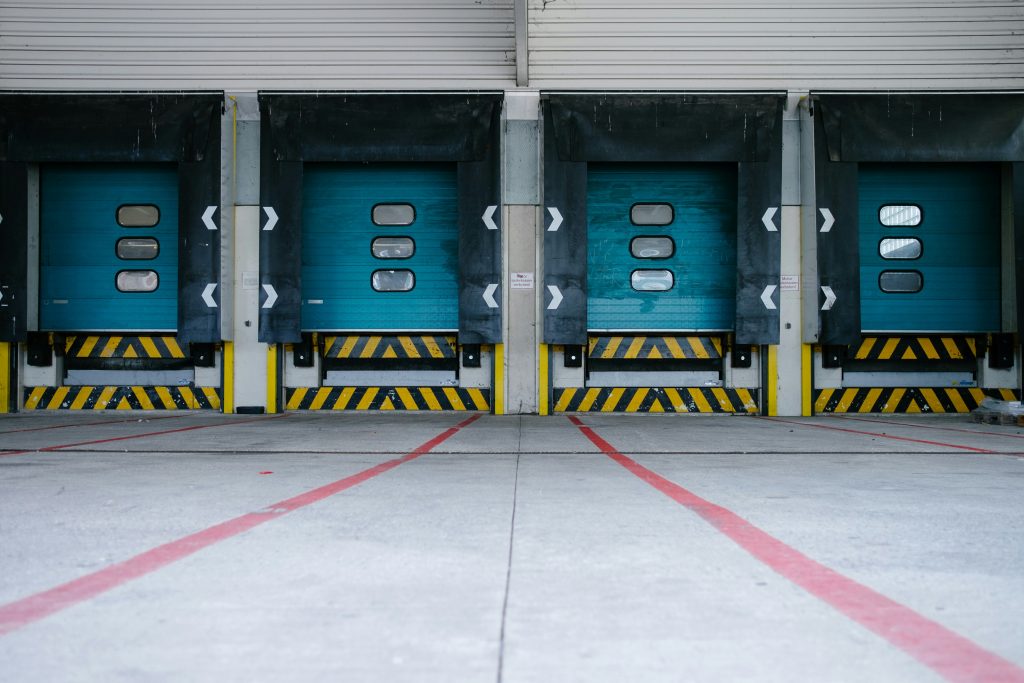
So How Long Does Shifted Load Repair Take? The four biggest time drivers
- Severity & stability Leaning stacks, broken pallets, toppled columns, or freight pressing the doors take longer and require more controlled handling.
- Compliance requirements Retail routing guides, pallet type (CHEP/PECO vs. GMA), max height (often 72″), single-SKU rules, and labeling (SSCC/UCC-128) all add steps. Label fixes alone can add 30–90 minutes across a trailer.
- Weight distribution & mode If axle weights are off or you’re switching to rail (stricter securement) plan extra time for load adjustment, blocking/bracing, and a reweigh.
- Access & readiness A live dock with restraints, forklifts, corner boards, wrap, load bars, airbags, and spare pallets on hand can cut repair time by half compared to parking-lot improvisation.
Typical timeline (what actually happens)
- Assess & make-safe (10–20 min): Crack the door with retention, inspect, snap photos, confirm receiver rules and next steps.
- Stabilize the first move (10–30 min): Add a bar/strap, square the first row, control any tip hazard.
- Rework or adjust (varies):
- Light touch-ups: tighten wrap/banding, corner-board edges, re-center a pallet.
- Re-stack: correct Ti/Hi, replace bad pallets, split mixed SKUs, cut height.
- Adjustment: shift rows to balance axles, add airbags/blocking.
- Compliance & labels (15–60+ min): Fix SSCCs, case labels, and placement so everything scans.
- Verify & reload (20–40 min): Photo proof, update counts, reseal, stage by stop order.
- Reweigh if needed (10–30 min): Confirm axle compliance and keep the ticket.
Quick scenarios & realistic time ranges
- Minor shift near the doors, pallets intact: 15–45 minutes Square up 1–2 pallets, add a bar, re-wrap, and roll.
- Leaning stacks with torn wrap, 4–6 pallets affected: 1–2 hours Re-center, rebuild layers, corner boards/top caps, re-wrap; fix labels that tore.
- Axle overweight by ~1,000–2,000 lb: 45–120 minutes Slide tandems if possible; otherwise shift one row, re-brace, and reweigh.
- Retail compliance issues (over-height or mixed-SKU where single-SKU required): 2–4 hours Cut height to spec, split pallets, re-label SSCC.
- Multiple columns toppled / widespread shift: 2–4 hours Trailer-wide rework with partial unload and rebuild across several rows.
- Floor-loaded import needing palletization: 4–8+ hours Count, sort by SKU, palletize to Ti/Hi, wrap, label; longer if SKUs are highly mixed.
- Temp controlled with integrity checks: add 30–60 minutes Probe/therm logs and extra QA extend the timeline, but protect acceptance.
- Hazmat complications: varies plan more time Certified handling, segregation, and documentation rule the schedule.
Can you fix it without unloading everything?
Often, yes if it’s safe and the repair restores compliance. In-trailer touch-ups (bars/straps, re-wrap, re-centering a few pallets) are the fastest path. Divert to a cross-dock when pallets are pressing the doors, multiple stacks are compromised, weight is badly out of balance, or the receiver’s rules demand deeper work (height cuts, SKU splits, label packs).
How to speed things up (without cutting corners)
- Send photos ahead. A rework team can prep the right materials and plan labor before you arrive.
- Bring the rules. Pallet type, max height, labeling specs, Ti/Hi—knowing the receiver’s playbook prevents “redo” time.
- Confirm priorities. If the appointment is tight, fix what the receiver will reject first (height, labels, safety), then cosmetics.
- Choose a ready dock. Restraints, equipment, and supplies on hand beat parking-lot MacGyvering every time.
- Decide once. Don’t half-fix, drive, and get rejected; a single thorough repair is usually the fastest total path.
Documentation that saves your ETA (and your claim)
- Photos: seal, first crack, damage, each reworked area, final securement.
- Paperwork: OS&D notes on the BOL, new seal number, adjusted counts.
- Labels: keep a short “old → new” SSCC log if you re-label.
- Reefer & scales: temp logs and weight tickets when applicable.
The cost math (time vs. risk)
Paying 1–3 hours at a cross-dock is almost always cheaper than:
- A rejection + second delivery attempt
- Detention and missed appointment fees
- Product loss and damage claims
- A safety incident at the door
Shifted load repair can be minutes or several hours depending on severity, rules, and resources. If a few pallets nudged, you might be rolling in under an hour. If the trailer needs a trailer-wide re-stack, label work, or axle balancing, plan on a 2–4 hour stop. Floor-loaded imports or complex compliance? Half a day isn’t unusual. Make the call early, bring the right information, and choose a site that’s equipped your delivery window (and your blood pressure) will thank you.