
In the world of logistics, transportation, and warehousing, one golden rule holds true: A secure load is a safe load. But no matter how well a shipment is planned, packed, and loaded, unexpected issues still occur especially during transit. Packages shift. Pallets tip over. Trailers show up at docks with cargo scattered like a game of Tetris gone wrong. That’s where load rework and stabilization become not just necessary but critical.
Load rework is the process of fixing or reorganizing cargo that has been damaged, shifted, or improperly loaded. Stabilization, on the other hand, refers to the proactive measures and equipment used to prevent such occurrences. When executed correctly, both help minimize delays, reduce damage-related losses, and keep supply chains running smoothly.
But let’s not sugarcoat it: load rework is labor intensive. It can be costly, time consuming, and dangerous if handled improperly. That’s why having the right equipment from forklifts to stretch wrappers to dunnage bags is absolutely vital.
This article covers every piece of equipment you need to tackle load rework and stabilization like a pro. Whether you’re managing a distribution center, overseeing freight operations, or working the loading dock, consider this your ultimate guide.
What is Crossdocking ? (Read our Article here)
Crossdocking is a logistics method where incoming freight is unloaded, sorted, and shipped out with little to no storage time. Instead of sitting on shelves, products flow directly from the receiving dock to outbound transportation.
Benefits of crossdocking:
- Faster delivery – Goods reach stores or customers within hours.
- Lower storage costs – Reduces the need for warehousing.
- Fewer handling steps – Less damage and labor.
- Improved inventory turnover – Products move quickly and efficiently.
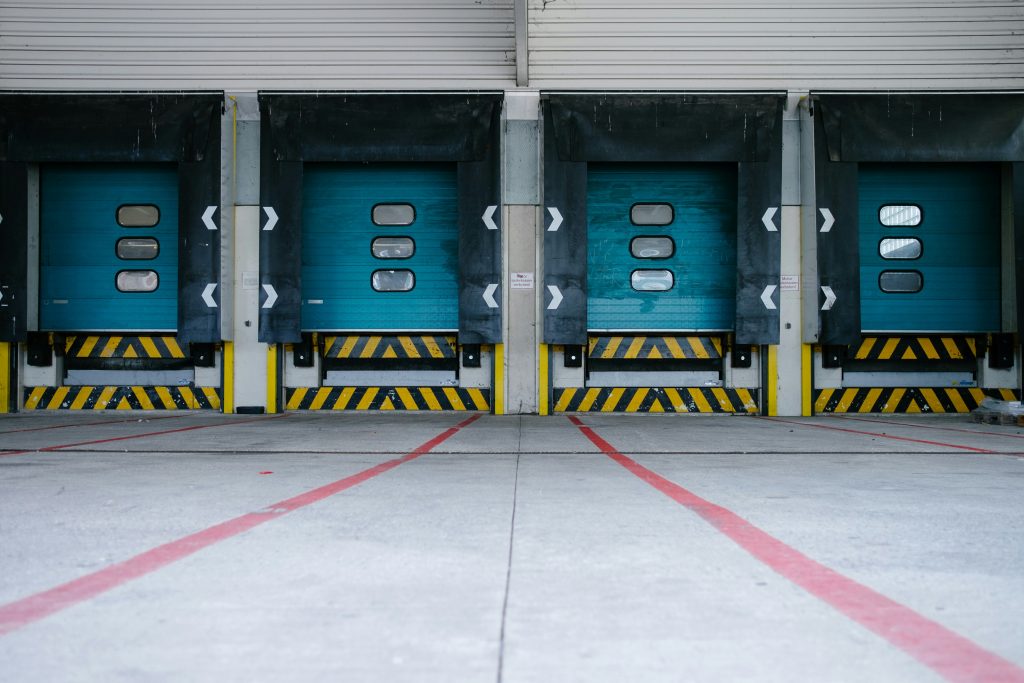
Understanding Load Rework and Stabilization: Before diving into the gear list, let’s define the two key concepts here: load rework and load stabilization.
What is Load Rework? Load rework is the reactive process of fixing cargo that has shifted or become unstable during transport. This could mean:
- Stacking fallen pallets
- Packaging damaged goods
- Replacing torn stretch film
- Freight to restore weight distribution
- Tightening or adding securement tools
Whats Load Stabilization? Load stabilization is the proactive side of the equation. It involves using equipment and techniques to prevent cargo from moving, tipping, or collapsing during transit. This includes:
- Stretch wrapping
- Load bars
- Straps
- Anti-slip mats
- Dunnage bags
- Corner protectors
Without the proper approach to either process, you’re setting yourself up for damaged goods, operational delays, legal liabilities, and—worst of all—serious safety risks.
Why Load Stabilization Is Non-Negotiable
There’s no such thing as a “minor” shift when it comes to heavy cargo. A slight imbalance can create a domino effect that causes full trailer loads to fall apart. Aside from obvious product damage, here’s what else is on the line:
- Driver safety: Sudden shifts can cause a trailer to become unbalanced, leading to rollovers or collisions.
- Warehouse hazards: Unstable loads during unloading can injure workers or cause equipment failure.
- Customer dissatisfaction: Damaged or delayed products hurt your reputation.
- Legal compliance: FMCSA and DOT regulations in the U.S., and similar regulations globally, require proper load securement.
- Operational costs: Load rework requires additional labor, resources, and potentially repackaging materials.
Pallet Jacks and Electric Pallet Trucks
Manual Pallet Jacks
- Cost-effective
- Simple to operate
- Great for short distances and tight areas
- Limited lifting power
Electric Pallet Trucks
- Powered by battery
- Reduces strain on workers
- Moves heavier loads faster
- Includes safety features like braking and load sensors
In rework zones, pallet jacks are used to remove unstable or damaged pallets, reposition freight, or deliver items to repacking stations. The electric version dramatically increases productivity in high-volume operations, reducing worker fatigue and injury risk.
Forklifts
Types of Forklifts Used for Load Rework:
- Counterbalance Forklifts: Versatile and used both indoors and outdoors.
- Reach Trucks: Ideal for narrow aisles and high stacking in warehouses.
- Order Pickers: Great for piece-picking or individual case rework.
- Telehandlers: For extreme lifting heights or uneven terrain.
Attachments for Forklifts:
- Fork Positioners: Adjust fork width without manual input.
- Sideshifters: Move loads side-to-side without repositioning the truck.
- Clamp Attachments: Used for non-palletized items like drums or appliances.
Forklifts are crucial during load rework when restacking pallets, lifting goods to higher racks, or unloading shifted freight from trailers. Proper operator training is a must untrained use can result in even more damage or serious accidents.
Stretch Wrappers and Wrapping Machines: A tightly wrapped pallet is a stable pallet. Stretch wrapping is one of the most commonly used techniques for unitizing and stabilizing cargo.
Types of Stretch Wrappers:
- Manual Stretch Wrappers: Require a worker to walk around the pallet.
- Semi Automatic Stretch Wrappers: Use a rotating turntable or arm.
- Fully Automatic Wrappers: Integrated into conveyor systems for high-volume operations.
Benefits of Stretch Wrapping:
- Prevents load shifting
- Offers protection from dust and moisture
- Keeps cartons and packages tightly together
During rework, unstable loads can be re-wrapped quickly with stretch film to stabilize them for temporary storage or reloading. Stretch film also comes in various gauges and tack levels to suit different weights and cargo types.
Load Bars and Load Straps: When a trailer is loaded, horizontal movement is one of the biggest challenges. Load bars and straps are designed to counteract this.
Load Bars
- Adjustable telescoping design
- Installed horizontally or vertically
- Secures cargo inside a trailer or container
Load Straps
- Ratchet or cam buckle designs
- Secures individual loads to pallets or inside trailers
- Offers adjustable tensioning
These tools are simple but extremely effective. They’re used both in pre-shipment load stabilization and during rework when items need to be held in place quickly. They’re especially helpful for mixed cargo or partial loads where shrink-wrapping isn’t enough.
Load Lock Bars and Cargo Restraint Systems For more advanced and reliable stabilization, load lock bars and restraint systems are used in LTL (less-than-truckload) freight and container shipping.
Load Lock Bars
- Spring loaded or ratcheting ends
- Lock into place between trailer walls
- Create firm boundaries to prevent load movement
Restraint Systems
- Include e-track or logistic track systems
- Allow flexible attachment of straps, bars, and netting
- Can segment cargo space for custom configurations
These systems reduce load shift during braking and acceleration. In rework scenarios, they allow teams to quickly re-secure cargo without needing full rewraps or repacks.
Anti-Slip Mats and Friction Mats Friction is your friend when it comes to stabilization. Anti-slip mats, also called friction mats, are placed underneath pallets or cargo to stop items from sliding.
- Prevent base movement of pallets
- Work well in combination with straps and bars
- Reusable and eco-friendly
- Often meet international load securement standards
They’re especially helpful when you can’t fully fill a trailer or when transporting irregular cargo. During rework, they’re used to reinforce base grip—especially on slick trailer floors.
Edge Protectors and Corner Boards: You’ve probably seen boxes crushed by over-tightened straps. That’s why edge protectors or corner boards exist.
Functions of Edge Protectors:
- Distribute tension from straps
- Protect corners of cartons and products
- Add vertical strength to palletized loads
Edge protectors are often used in combination with shrink wrap, straps, or bands. In rework, they help reinforce damaged boxes or add structure back to unstable stacks.
Slip Sheets and Push-Pull Attachments: If you’re shipping internationally or trying to save on pallet costs, slip sheets are the lightweight alternative.
What Are Slip Sheets?
- Thin plastic or fiberboard sheets
- Replace wooden pallets
- Moved using push pull attachments on forklifts
Slip sheets reduce space and weight during shipping. In rework areas, they simplify the task of repositioning cargo without the need for heavy pallets. This method is common in food, beverage, and export industries.
Dunnage Air Bags (Inflatable Dunnage): Imagine having large voids between pallets in a trailer. Instead of letting them shift, you inflate a dunnage air bag and lock everything in place.
Features of Dunnage Bags:
- Made of paper, plastic, or polywoven material
- Available in different pressure ratings (light to heavy-duty)
- Quickly inflated and reused
These bags are often used in rework situations to stabilize loose cargo when space needs to be filled fast. They’re especially effective in containers and railcars.
Shrink Wrap and Heat Guns: While stretch wrap is great for flexibility, shrink wrap offers a tighter, more secure hold—perfect for outdoor storage or fragile items.
Equipment Needed:
- Shrink wrap film
- Heat gun or shrink tunnel
- Safety gear
In rework zones, shrink wrap is used to resecure loads that need added protection or long-term stabilization. It’s commonly used in industries like construction materials, electronics, and automotive parts.
Load Securement Software and IoT Monitoring Devices: Welcome to the future of logistics. Smart devices are now part of the load stabilization toolkit.
Conveyor Belts and Rework Stations: In high volume warehouses, rework needs to be fast and organized. Conveyor systems help move loads efficiently to rework stations, where items can be sorted, restacked, or repackaged.
Features:
- Integrated scales, scanners, and sorters
- Ergonomic layout for fast processing
- Waste collection and supply storage
These setups drastically reduce rework time and increase accuracy, especially in e-commerce or fulfillment centers. Packaging Machines and Sealers: When cargo packaging is compromised, packaging machines save the day.
Safety Gear and PPE Let’s not forget about the most important “equipment” of all your team’s safety gear.
Must-Have PPE:
- Gloves and helmets
- Safety boots
- Eye protection
- Back support belts
- Hi-vis vests
Reworking unstable loads is risky. Ensure your staff is well-equipped and trained to handle cargo safely and confidently.
Training Tools and Equipment Manuals: Even with all the right tools, poor training equals poor results.
Best Practices:
- Use simulators for forklifts and trucks
- Conduct regular SOP refreshers
- Keep manuals and visual aids near rework stations
- Encourage feedback and continuous improvement
Ongoing education ensures your team uses every piece of load stabilization equipment efficiently and safely.
Whether you’re running a small warehouse or a global shipping network, load rework and stabilization are daily realities. But they don’t have to be costly, chaotic, or dangerous. The key? Equip your team with the right tools.
From forklifts and dunnage bags to corner boards and IoT trackers, every piece of equipment plays a role in keeping cargo safe, on time, and undamaged. Pair that with proper training, smart planning, and continuous improvement—and you’ve got a resilient logistics operation that can handle any surprise that comes down the road.
Don’t let instability derail your logistics strategy. Invest in equipment, invest in people, and keep those loads locked down.
FAQs
- What’s the best way to rework a load that has completely collapsed? Start by removing damaged items, use forklifts to restack heavier pallets, apply stretch wrap for quick stabilization, and use load bars or dunnage bags to secure the remaining cargo.
- Are dunnage bags reusable? Yes, many are reusable if not punctured. Always check PSI ratings and manufacturer guidelines before reuse.
- What’s better: load straps or load bars? Both have their place. Straps are more flexible and good for securing odd-shaped cargo, while bars provide rigid support in trailers and containers.
- Can automation replace manual rework entirely? Not entirely, but automated systems (like conveyor-fed rework stations and packaging machines) can significantly reduce time and labor needs.
- How often should I train staff on load securement? At least quarterly, and always after a major incident or when introducing new equipment. Continuous training ensures safety and efficiency.