
Let’s be honest trucking is a tough gig. You’re hauling tens of thousands of pounds of cargo across hundreds of miles, battling potholes, weather, crazy drivers, tight deadlines, and let’s not forget the DOT breathing down your neck. With so many moving parts, it’s no surprise that things can (and do) go horribly wrong.
Among all the logistical nightmares you can face, shifted loads are right up there at the top of the “Oh crap!” list. We’re talking about trailers opening up to reveal chaos. Pallets crumpled. Boxes flattened. Liquids exploded. Freight that looks like it just survived a tornado. And of course, it usually happens at the worst possible time midnight, in the middle of nowhere, with a delivery window closing in five hours.
In this article, we’re diving head-first into the WORST shifted load repair disasters known to man. These are the horror stories that warehouse crews, truck drivers, and logistics managers tell around the forklift like ghost stories. But we’re not just here for the drama we’ll also unpack what went wrong, how it could’ve been prevented, and what we can all learn from these freight fails.
Ready for the good, the bad, and the catastrophically ugly? Let’s roll.
What is Crossdocking ? (Read our Article here)
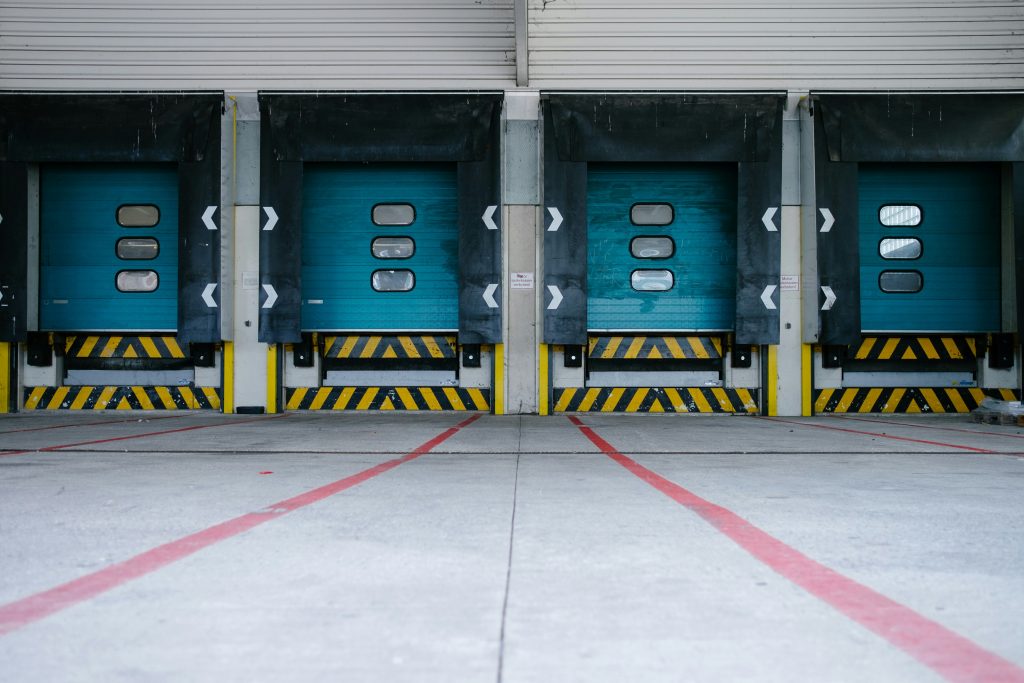
Crossdocking is a logistics method where incoming freight is unloaded, sorted, and shipped out with little to no storage time. Instead of sitting on shelves, products flow directly from the receiving dock to outbound transportation.
Benefits of crossdocking:
- Faster delivery – Goods reach stores or customers within hours.
- Lower storage costs – Reduces the need for warehousing.
- Fewer handling steps – Less damage and labor.
- Improved inventory turnover – Products move quickly and efficiently.
How the Nightmare Begins: Before we start swapping horror stories, let’s make sure we’re all on the same page.
A shifted load happens when freight moves from its original position during transport. That might sound harmless at first, but it can trigger a chain reaction of chaos inside the trailer. A few boxes lean → they push a pallet → that pallet tips over → now you’ve got a full-blown freight avalanche.
- Hard braking or swerving
- Poor weight distribution
- Inadequate strapping or securing
- Sloppy or rushed loading
- Long hauls with rough roads
A ticking time bomb that goes off when the trailer doors swing open.
Disaster Story #1: The Yogurt Tsunami: Imagine showing up to a distribution center, feeling confident, ready to unload and then you pop the trailer doors open.
What do you see? You get hit with a wall of yogurt. That’s exactly what happened to one unlucky reefer driver. The load hadn’t been properly secured with load bars or dunnage bags. One hard brake and…BOOM. Pallets toppled like dominos, crushing hundreds of plastic yogurt tubs. The result? A sloshing, fermented mess that smelled like gym socks and sour milk.
Why It Happened:
- No corner protectors
- No load bars
- Fragile cargo stacked too high
Cost of Cleanup:
- Load rejected
- Full rework + trailer deep cleaning
- Over $15,000 in lost product and fees
The Lesson: Even liquids in containers need reinforcement. Always double up on straps and anti-slip mats with dairy or wet goods. And don’t ever assume “It’ll be fine.”
Disaster Story #2: The Domino Effect of Doom: This one’s straight out of a logistics horror film.
A trailer loaded for a big-box retailer wasn’t secured properly, and the driver took a turn too fast. One skid of bottled water shifted and tipped, hitting the next pallet, which knocked over the next…you get the idea. By the time the truck reached the delivery dock, every single pallet had fallen. Some were even leaning against the trailer walls. The unloading team refused to touch it until a rework crew arrived.
Why It Happened:
- Overloaded pallets
- No load bars or straps
- Poor pallet stacking (top-heavy)
- No load lock system in place
Cost of Repair:
- Emergency rework at warehouse ($2,200+)
- 8 hours of labor
- 2 forklift operators
- Partial product damage totaling over $7,000
The Lesson: Stability isn’t just about securing the freight it’s also about how you stack it. Always keep heavy stuff on the bottom and don’t overload pallets.
Disaster Story #3: The Great Glue Spill: Here’s a nightmare you can feel just by reading it.
A dry van was loaded with 55-gallon drums of liquid adhesive. But they weren’t secured tightly, and the drums weren’t sitting on anti-slip mats. During the trip, one drum shifted, cracked, and started leaking. By the time the driver arrived, half the trailer was covered in a goopy, sticky mess that glued pallets to the floor.
Why It Happened:
- No dunnage or friction mats
- Poor pallet condition
- Fragile drums without secondary containment
Rework Outcome:
- HAZMAT-level cleanup
- Entire load rejected
- Trailer out of service for 3 days
- Estimated losses: $25,000+
The Lesson: When you’re hauling liquids especially sticky, flammable, or hazardous ones invest in proper containment, non-slip surfaces, and backup protection. Always.
Disaster Story #4: The All Nighter from Hell
A load of mixed electronics; TVs, laptops, routers, the whole tech buffet was packed sloppily during a rushed outbound. Minimal shrink wrap, no corner protectors, no straps. Just vibes. About 200 miles into the trip, the driver hit traffic and had to slam the brakes. Three pallets slid forward and the load collapsed inside. The driver called dispatch at 1:42 AM. By 3:15 AM, a mobile rework team was on site. It took 7 hours, 2 forklifts, and $1,700 to restack and secure everything. Still, the load missed its delivery window and was rejected.
Cost:
- Full rework: $1,700
- Redelivery fee: $800
- Client penalty: $5,000
The Lesson: Even non-fragile loads need security. Don’t let speed compromise safety. A few extra minutes strapping down cargo beats thousands in penalties.
Disaster Story #5: The Frozen Food Avalanche
You’d think frozen food would be safer. It’s packed tightly, right? Wrong. In this case, a reefer loaded with frozen dinners experienced a full load shift during icy road conditions. The driver slid slightly on black ice, sending a ripple through the cargo. Boxes smashed into each other. The unit was still cold, but the pallets were destroyed and inaccessible. Because the load was temperature-sensitive and couldn’t be unloaded in time, the cold chain broke, and the entire shipment had to be scrapped.
- Estimated Loss: Over $60,000
- Insurance Claim: Denied (improper securement)
- Rework Crew: Couldn’t salvage fast enough
The Lesson: Reefers aren’t invincible. You still need load bars, air flow planning, and secondary restraints to keep cold cargo intact.
Why Do These Freight Fails Keep Happening? Let’s call it what it is: most of these disasters are completely preventable.
The Common Mistakes:
- Rushed loading
- Inadequate strapping or wrapping
- Ignoring cargo fragility
- No dunnage or anti-slip mats
- Top heavy stacking
- Skimping on load audits
- Poor trailer maintenance
What to Do If You Open Your Trailer to a Disaster
Deep breath. It happens to the best of us. Here’s what to do if you’re the unlucky one facing a shifted load disaster:
Step 1: Don’t open the doors fully if there’s visible pressure: If freight is leaning against the doors, opening them fully could cause items to fall out hurting you or someone else.
Step 2: Take Photos: Document the situation from outside and inside if possible. You’ll need it for insurance or claims.
Step 3: Call Your Dispatch or Supervisor: Report the issue immediately and wait for instructions. Don’t try to fix a big shift solo.
Step 4: Contact a Load Rework Provider: Look for 24/7 mobile load repair services in your area. Many respond within 1–3 hours.
Step 5: Secure the Scene: If you’re at a rest stop or roadside, use cones or hazards to alert other drivers until help arrives.
How to Avoid Becoming the Next Horror Story
- Use Proper Load Securement : Always: Even when you’re in a rush. No exceptions.
- Keep Emergency Rework Contacts Handy: Have a list of 24/7 rework providers saved for every route you travel.
- Train Your Drivers: Educate them on spotting risky loads, how to brake safely, and what to do in a load shift emergency.
- Use Load Monitoring Tech: Sensors can detect shifting and send alerts before disaster strikes.
- Partner with Reliable Shippers: Avoid those who treat load securement like an afterthought.
Freight disasters are messy, expensive, and stressful but they’re also a reality in the logistics world. From yogurt explosions to adhesive spills to tech avalanches, these worst shifted load repair stories remind us just how critical proper load securement and planning really are. Don’t let these be just stories. Let them be warnings. Take the time. Use the gear. Train your people. Because an ounce of prevention? It’s worth every pound of broken freight.