
Let’s say you’ve got a trailer full of freight and instead of one single stop, you need to deliver to three different locations across town. Maybe it’s three stores in a retail chain. Or multiple job sites waiting on equipment. Or even several warehouses sharing a consolidated shipment. So you ask yourself: “Can trailers be dropped at multiple locations?” Short answer? Yes, they can. Long answer? It depends on your logistics game plan. Whether you’re a seasoned shipper, a freight broker juggling multiple clients, or a warehouse manager trying to optimize delivery windows, trailer drops at multiple locations can be a powerful tool in your logistics toolbox but only if you do it right.
- What trailer drops are (and aren’t)
- The logistics behind multi-drop trailer use
- Pros and cons of this strategy
- When it makes sense (and when it doesn’t)
- The best industries for this approach
- Pro tips for making multi-stop trailer drops work smoothly
Let’s hit the road.
What is Crossdocking ? (Read our Article here)
Crossdocking is a logistics method where incoming freight is unloaded, sorted, and shipped out with little to no storage time. Instead of sitting on shelves, products flow directly from the receiving dock to outbound transportation.
Benefits of crossdocking:
- Faster delivery – Goods reach stores or customers within hours.
- Lower storage costs – Reduces the need for warehousing.
- Fewer handling steps – Less damage and labor.
- Improved inventory turnover – Products move quickly and efficiently.
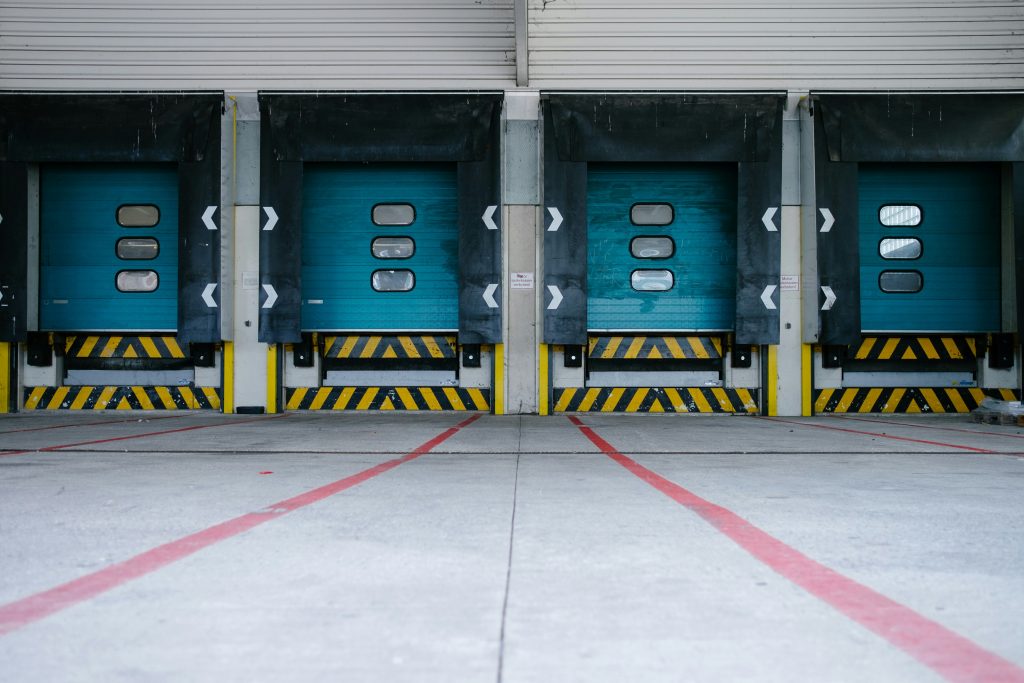
What is a Trailer Drop?
Before we get into multiple locations, let’s define what a trailer drop actually is. A drop trailer refers to a scenario where the truck drops the trailer at a location, and then:
- Comes back later to pick it up, or
- Another tractor picks it up for the next stage
This is different from live unloading, where the truck waits at the dock until unloading is complete.
Drop & Hook vs. Live Load
- Drop & Hook: The driver drops off a trailer, hooks up a new one, and moves on.
- Live Load/Unload: The driver waits while the trailer is loaded or unloaded on the spot.
So… can you do this at multiple locations with the same trailer? Yes—but with planning.
What is a Multi-Drop Trailer Strategy? A multi-drop trailer plan is when one trailer is used to:
- Deliver freight to more than one location
- Either by live unloading at each, or
- By dropping the trailer at different customer sites (for later unloading)
Instead of unloading all freight at a single destination, you divide up your deliveries into strategic stops across different cities, neighborhoods, or even states.
This is sometimes called:
- Split delivery
- Trailer sequencing
- Multiple delivery points
- Multi-stop freight delivery
In essence, you’re using one trailer, multiple stops.
How Does It Work in Practice?
Let’s say you run a wholesale furniture company. You’ve got a 53-foot trailer loaded with orders for three customers:
- Customer A – 10 pieces in Chicago
- Customer B – 15 pieces in Milwaukee
- Customer C – 8 pieces in Madison
Instead of sending three separate LTL shipments or three dedicated trailers, you can:
- Load the trailer strategically (Madison freight in front, Chicago in back)
- Head to Chicago, deliver to Customer A
- Continue to Milwaukee, offload for Customer B
- Finish in Madison with the final drop
You’ve completed three deliveries with one trailer, one driver, and optimized fuel costs. But what if you don’t want to wait at each stop? Here’s where trailer drops at multiple locations come in.
Can You Drop the Trailer at Each Stop?
Absolutely if the facilities allow it. This setup typically looks like:
- Driver drops the trailer at Location A
- Goes to Location B, drops another trailer
- Picks up an empty trailer or loaded return at Location C
- Returns to base or continues route
This is common in:
- Retail distribution (store replenishment)
- Grocery chains (delivering to several stores on a route)
- Construction sites (delivering materials to job zones)
- Manufacturing supply chains (feeding plants from central hubs)
Each drop site must be equipped to accept a trailer drop—with yard space, staff, and time to unload without a driver present.
Pros of Dropping a Trailer at Multiple Locations
When done right, this strategy can unlock big benefits for your operation.
1. Saves Time for Drivers: Drivers don’t have to wait for unloading at each location. That means:
- Better route efficiency
- Less idle time
- More loads moved in a day
2. Reduces Detention Charges: Live unloading can lead to delays—especially at congested docks. Dropping trailers removes detention risks.
3. Flexible Unloading Times Receiving locations can unload at their own pace, outside of the driver’s schedule. This is huge for:
- After-hours unloading
- Staff shortages
- Limited dock space
4. Cost Savings on Fuel and Labor: Instead of sending three separate trucks, you send one trailer to do the job of three.
That means:
- Lower fuel cost
- Fewer drivers needed
- Less wear and tear
5. Ideal for Scheduled Routes: If you deliver to the same locations weekly or daily, multi-drop trailer routes make total sense. You can standardize everything from load order to driver schedules.
Challenges of Multi-Drop Trailer Routes
Of course, it’s not all sunshine and smooth roads. There are some trade offs to be aware of.
1. Requires Careful Load Planning: Freight must be loaded in drop order, with first-stop deliveries closest to the trailer doors. Poor planning = major headaches during delivery.
2. Not All Locations Accept Drops: Some facilities require live unloading, or don’t have space to hold a trailer. Always confirm in advance.
3. Limited Control Over Unload Timing: Once the trailer is dropped, you’re trusting the receiver to unload in a timely manner. If they don’t, it can tie up equipment.
4. Higher Trailer Pool Requirements: You’ll need more trailers in your network to support multi-drop service. That means higher asset costs or more rentals.
5. Legal and Safety Concerns In some jurisdictions, parking trailers in unsecured lots or streets isn’t allowed. Always check local regulations and plan accordingly.
Industries That Use Multi-Drop Trailer Strategies
Retail & Department Stores Big chains like Walmart, Target, and Macy’s use trailer drops to deliver to multiple store locations across a metro region using a single linehaul truck.
Construction & Building Supplies Material suppliers drop trailers at job sites, allowing contractors to unload when they need to—especially helpful when unloading heavy or awkward items.
Grocery & Perishables Food distributors run multi-stop routes to drop trailers at various stores early in the morning—stores unload them throughout the day.
Manufacturing & Assembly Plants receive just-in-time shipments from centralized hubs. A single trailer might drop off components at multiple facilities along a production chain.
Best Practices for Multi-Drop Trailer Delivery
1. Communicate With All Receiving Locations
Let every receiver know:
- When to expect the trailer
- How long they have to unload
- Where it should be dropped
- When it’ll be picked up
Clear expectations = fewer surprises.
2. Use TMS Software to Plan Routes
Transportation Management Systems (TMS) can:
- Optimize drop sequences
- Calculate fuel and time savings
- Help dispatchers track live trailer status
- Automate load building based on delivery order
3. Load in Reverse Drop Order
Start with the last delivery stop at the front of the trailer, and the first delivery at the rear. That way, each stop can unload their portion without disturbing the rest.
4. Label Pallets and Bills Clearly
Each delivery’s freight should be:
- Clearly labeled
- Grouped together
- Marked with BOLs or packing slips for that specific location
This prevents cross-delivery mistakes.
5. Prepare for Contingencies
- What if a location can’t accept the trailer?
- What if someone damages the freight before unloading?
Plan backup options with your team. Build in flexibility.
When Should You NOT Drop a Trailer at Multiple Locations?
Multi-drop trailer use is powerful but not always ideal. Avoid this strategy if:
- You only have a few pallets for each stop (LTL may be more cost-effective)
- Locations don’t have trailer capacity or secure storage
- Your load is extremely sensitive to shifting or damage
- Timing is too tight for route sequencing
- The freight is high-value or security-sensitive
So… can trailers be dropped at multiple locations? Absolutely. In fact, it’s a smart and efficient delivery method that’s already used by some of the biggest names in logistics and retail. Whether you’re a small business delivering to multiple customers, a regional distributor servicing stores, or a construction supplier moving materials to multiple job sites multi-drop trailer strategy can:
- Cut costs
- Reduce driver time
- Improve customer flexibility
- Increase route efficiency
- Simplify your logistics planning
But success lies in the details load planning, communication, route optimization, and having the right partners in place. If you can master those, you’ll unlock the full power of the multi-stop trailer drop and keep your freight (and your business) moving smoothly.