
Transloading has always been about efficiency; moving freight between modes quickly and cost-effectively. What’s becoming increasingly clear is that well optimized transloading operations also deliver meaningful environmental benefits. When designed thoughtfully, transloading reduces emissions, minimizes waste, and supports more sustainable supply chains without sacrificing speed or reliability.
Rather than being just a logistical bridge, optimized transloading is emerging as a quiet sustainability win across transportation networks.
What is Crossdocking ? (Read our Article here)
Crossdocking is a logistics method where incoming freight is unloaded, sorted, and shipped out with little to no storage time. Products flow directly from the receiving dock to outbound transportation.
Benefits of crossdocking:
- Faster delivery – Goods reach stores or customers within hours.
- Lower storage costs – Reduces the need for warehousing.
- Fewer handling steps – Less damage and labor.
- Improved inventory turnover – Products move quickly and efficiently.
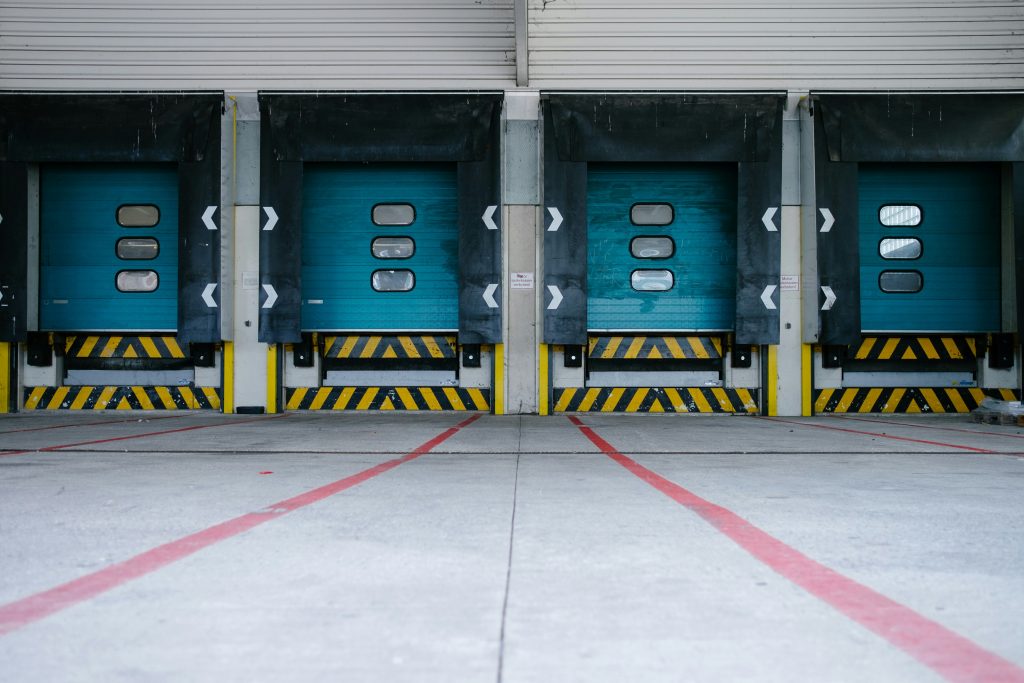
Why Transloading Plays a Role in Sustainability
Every mile a shipment travels, every idle engine, and every unnecessary handling step adds to a supply chain’s environmental footprint. Transloading directly addresses these inefficiencies by enabling smarter routing and better use of transportation modes.
By transferring freight from long-haul rail or ocean containers to regional truck distribution or vice versa transloading helps businesses:
- Reduce long-distance truck miles
- Improve load efficiency
- Shorten last-mile delivery distances
- Avoid unnecessary storage and re-handling
The result is less fuel burned and fewer emissions generated across the network.
Reducing Truck Miles Through Smarter Mode Shifts
One of the most significant environmental benefits of transloading is mode optimization. Rail and ocean transport are far more fuel-efficient per ton mile than over-the-road trucking. Optimized transloading makes it practical to use these lower-emission modes for the longest portions of a journey. Instead of running trucks coast to coast, freight can:
- Move long distances by rail or vessel
- Be transloaded closer to final markets
- Complete the journey with shorter regional truck routes
This approach reduces fuel consumption and cuts greenhouse gas emissions while maintaining delivery speed.
Lower Emissions Through Improved Load Utilization
Poorly utilized trailers and containers are a hidden source of emissions. Optimized transloading improves load density and utilization, ensuring freight moves more efficiently. By consolidating shipments, reconfiguring loads, and matching freight to the right equipment, transloading facilities help:
- Reduce empty or partially loaded miles
- Eliminate unnecessary duplicate trips
- Maximize the value of each movement
Fewer trips moving more freight means a smaller environmental footprint.
Minimizing Idle Time and Congestion
Idle engines are a major contributor to emissions in logistics operations. Optimized transloading reduces idle time by improving coordination between inbound and outbound freight. Well run transloading operations focus on:
- Precise scheduling of arrivals and departures
- Efficient dock and yard management
- Rapid transfer of freight without long dwell times
When trucks spend less time waiting and idling, fuel use drops and so do emissions.
Reducing the Need for Excess Warehousing
Traditional supply chains often rely on storage-heavy models that increase energy consumption through lighting, refrigeration, heating, and material handling. Transloading supports flow through distribution, which reduces reliance on long term storage.
By keeping freight moving:
- Energy use in warehouses is reduced
- Inventory dwell time decreases
- Material handling equipment runs less frequently
This reduction in storage-related energy demand contributes directly to sustainability goals.
Supporting Regional Distribution and Shorter Last Miles
Optimized transloading enables regional distribution strategies that bring inventory closer to end customers. Shorter last-mile routes mean:
- Lower fuel consumption
- Reduced urban congestion
- Fewer emissions in densely populated areas
This approach benefits not only the environment, but also communities affected by heavy freight traffic.
Lower Packaging Waste Through Efficient Handling
Every extra handling step increases the risk of damage; and damaged freight often means repackaging or disposal. Optimized transloading reduces unnecessary touches, which helps preserve packaging integrity. Fewer damages lead to:
- Less repackaging material
- Lower waste generation
- Reduced need for replacement shipments
Even small improvements in handling efficiency can have a measurable environmental impact at scale.
Energy Efficient Transloading Facilities
Modern transloading facilities are increasingly designed with sustainability in mind. Energy efficient lighting, optimized dock layouts, and smarter material flow reduce overall energy use. Sustainable facility practices include:
- LED lighting and smart controls
- Reduced equipment travel distances
- Efficient use of space and airflow
- Lower reliance on climate controlled storage
Optimized operations allow these facilities to do more with less energy.
Enabling Cleaner Transportation Technologies
Transloading also supports the adoption of cleaner transportation technologies. By shortening truck routes and regionalizing distribution, it becomes easier to deploy:
- Electric or alternative-fuel trucks
- Hybrid regional fleets
- Low emission urban delivery vehicles
Transloading makes these technologies more practical by aligning them with shorter, predictable routes.
Data Visibility Driving Sustainable Decisions
Optimized transloading relies on visibility knowing where freight is, how it’s moving, and how long it’s dwelling. This same visibility enables better environmental decision making. With accurate data, organizations can:
- Measure emissions by route and mode
- Identify inefficiencies and hotspots
- Track improvements over time
- Report sustainability progress with confidence
Sustainability becomes measurable, not just aspirational.
Environmental Benefits Without Operational Trade-Offs
One of the most compelling aspects of optimized transloading is that environmental benefits don’t come at the expense of performance. In fact, the same practices that reduce emissions also improve speed, reliability, and cost efficiency. Better flow, fewer miles, and smarter routing create a rare alignment where operational goals and environmental responsibility reinforce each other.
Building Resilient and Responsible Supply Chains
Sustainability is increasingly linked to resilience. Efficient, optimized supply chains are better equipped to handle disruption, fuel volatility, and regulatory change. Transloading supports this resilience by:
- Increasing routing flexibility
- Reducing dependence on single modes
- Improving responsiveness to demand shifts
Environmentally efficient operations are often more adaptable and durable in the long run.
Transloading as a Sustainability Enabler
Optimizing transloading operations delivers more than cost savings and speed it creates real environmental value. By reducing miles, improving efficiency, and supporting smarter transportation strategies, transloading helps lower emissions and waste across the supply chain. As sustainability becomes a business expectation rather than a bonus, optimized transloading stands out as a practical, scalable way to make logistics greener without slowing things down.
In many ways, transloading proves that doing what’s efficient is often the same as doing what’s right.