
A warehouse layout can either move freight effortlessly, or quietly slow everything down. When cross docking is part of the operation, layout and design become even more critical. Cross docking depends on speed, clarity, and flow. There’s little room for confusion, congestion, or unnecessary handling.
Designing a warehouse around optimal flow isn’t about making it bigger or more complex. It’s about making movement intuitive, predictable, and efficient. When layout and cross docking work together, the warehouse becomes a high velocity engine rather than a storage heavy bottleneck.
What is Crossdocking ? (Read our Article here)
Crossdocking is a logistics method where incoming freight is unloaded, sorted, and shipped out with little to no storage time. Products flow directly from the receiving dock to outbound transportation.
Benefits of crossdocking:
- Faster delivery – Goods reach stores or customers within hours.
- Lower storage costs – Reduces the need for warehousing.
- Fewer handling steps – Less damage and labor.
- Improved inventory turnover – Products move quickly and efficiently.
Why Flow Matters More Than Storage in Cross dock Operations
Traditional warehouses were designed primarily for storage. Cross dock focused operations flip that model entirely. The goal is not to hold inventory, but to move it through the building as quickly and safely as possible. In cross docking, every extra step matters. Poor layout decisions can introduce:
- Unnecessary forklift travel
- Congestion near dock doors
- Delays in freight sorting
- Increased risk of damage
An optimized layout removes friction and allows inbound freight to transition smoothly to outbound shipping with minimal handling.
Straight Line Flow: The Foundation of Good Cross dock Design
The most effective cross dock layouts prioritize straight line flow. Inbound freight enters on one side of the building and exits on the opposite side, reducing cross-traffic and confusion. This design:
- Simplifies movement patterns
- Reduces equipment interference
- Improves visibility across the floor
- Makes training easier for operators
Straight-line flow keeps freight moving forward; literally and operationally.
Dock Door Strategy: Where Flow Begins and Ends
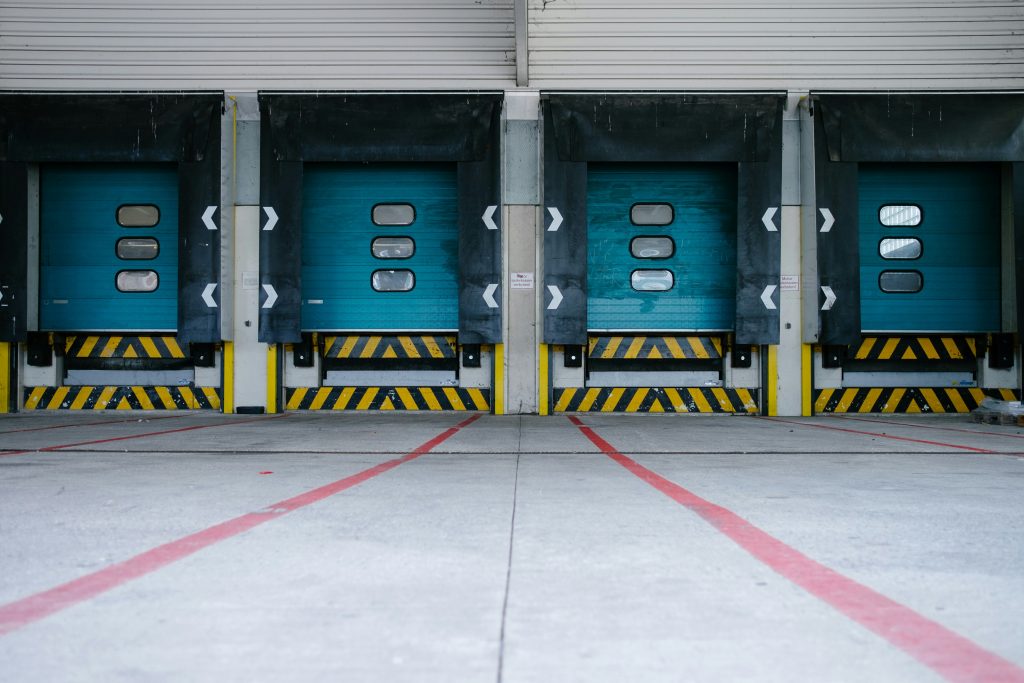
Dock doors are the heartbeat of a cross dock operation. Their placement and allocation have a huge impact on flow. Best practices include:
- Dedicated inbound and outbound door zones
- Flexible door assignments for volume spikes
- Clear numbering and visual identification
- Adequate staging space at each door
When dock doors are planned intentionally, trailers move in and out with less waiting, and freight transitions happen faster.
Staging Areas Designed for Speed, Not Storage
Staging is a necessary part of cross docking, but it should be temporary and purposeful. Well-designed staging areas support quick sorting and consolidation without becoming cluttered. Effective staging design:
- Uses clearly marked lanes or zones
- Separates freight by destination or route
- Keeps staging close to outbound doors
- Prevents over-accumulation of freight
The goal is controlled movement; not inventory buildup.
Minimizing Touches Through Smart Layout
Every time freight is handled, there’s a cost in time, labor, and risk. Layout plays a direct role in how many touches occur. A crossdock optimized warehouse:
- Shortens travel distances
- Aligns staging with outbound flow
- Reduces double-handling
- Supports direct transfers when possible
Fewer touches mean faster throughput and less damage.
Equipment Flow and Traffic Management
Forklifts, pallet jacks, and other material handling equipment need space to move efficiently. Poor traffic design creates congestion and safety risks. Good layout planning includes:
- Clearly defined travel lanes
- One way traffic patterns where possible
- Separate pedestrian walkways
- Adequate turning radiuses at key points
When equipment flow is predictable, operations run smoother and safer.
Visibility and Line of Sight
One often overlooked element of warehouse design is visibility. Cross dock operations benefit from open sight lines that allow supervisors and operators to see activity across the floor. Improved visibility:
- Helps identify bottlenecks quickly
- Reduces collisions and near-misses
- Improves communication and coordination
An open, visible layout supports both efficiency and safety.
Flexibility Built Into the Design
Cross dock volumes can change quickly. A well-designed warehouse anticipates this by building in flexibility. Design features that support adaptability include:
- Modular staging areas
- Adjustable dock door assignments
- Multi use zones that can scale up or down
- Space reserved for surge operations
Flexibility ensures the warehouse can handle growth, seasonality, and unexpected volume without chaos.
Technology Supporting Layout Efficiency
Technology and layout should work hand in hand. Digital tools enhance the effectiveness of good design by guiding movement and decision-making. Examples include:
- Warehouse management systems directing door assignments
- Digital signage for routing and staging
- Real time dashboards highlighting congestion
- Scanning systems that confirm correct flow
Technology helps keep the physical layout operating at peak efficiency.
Designing for Safety Without Slowing Flow
Safety is a critical part of optimal flow. Unsafe environments cause hesitation, errors, and downtime. Smart layout design improves safety by:
- Reducing blind spots
- Separating people and equipment
- Keeping emergency exits clear
- Maintaining clean, organized work areas
Safe warehouses move faster because people can work confidently.
Crossdock Layouts That Support Quality Control
Even in fast-moving environments, quality matters. Layout can support quick inspections and exception handling without interrupting flow. Designated quality zones near inbound docks allow:
- Fast identification of issues
- Segregation of non conforming freight
- Controlled reintegration after resolution
This prevents small problems from spreading through the operation.
Continuous Improvement Through Layout Review
No layout is perfect forever. As volumes, customers, and routes change, layout should evolve. Regular layout reviews help:
- Identify new bottlenecks
- Adjust staging and flow paths
- Improve equipment utilization
- Support new service offerings
Continuous improvement keeps crossdock layouts aligned with real-world operations.
Layout as a Performance Multiplier
Warehouse layout and design are powerful levers for performance especially in cross dock operations. When flow is intuitive, staging is controlled, and movement is clear, everything works better. A well designed cross dock warehouse doesn’t just move freight faster. It reduces stress, improves safety, and creates room to grow. Layout becomes more than a physical arrangement it becomes a competitive advantage built into the building itself.