
Warehousing has changed dramatically over the years, but one principle continues to deliver results across every industry: lean thinking. Lean warehousing is about doing more with less less wasted movement, less idle time, less excess inventory, and fewer unnecessary steps. When applied correctly, lean warehousing doesn’t just cut costs; it creates smoother operations, faster fulfillment, and a better experience for both employees and customers.
Rather than chasing efficiency through constant expansion, lean warehousing focuses on making existing operations smarter. It’s a mindset as much as a methodology, and it’s becoming a defining trait of high-performing warehouses.
What is Crossdocking ? (Read our Article here)
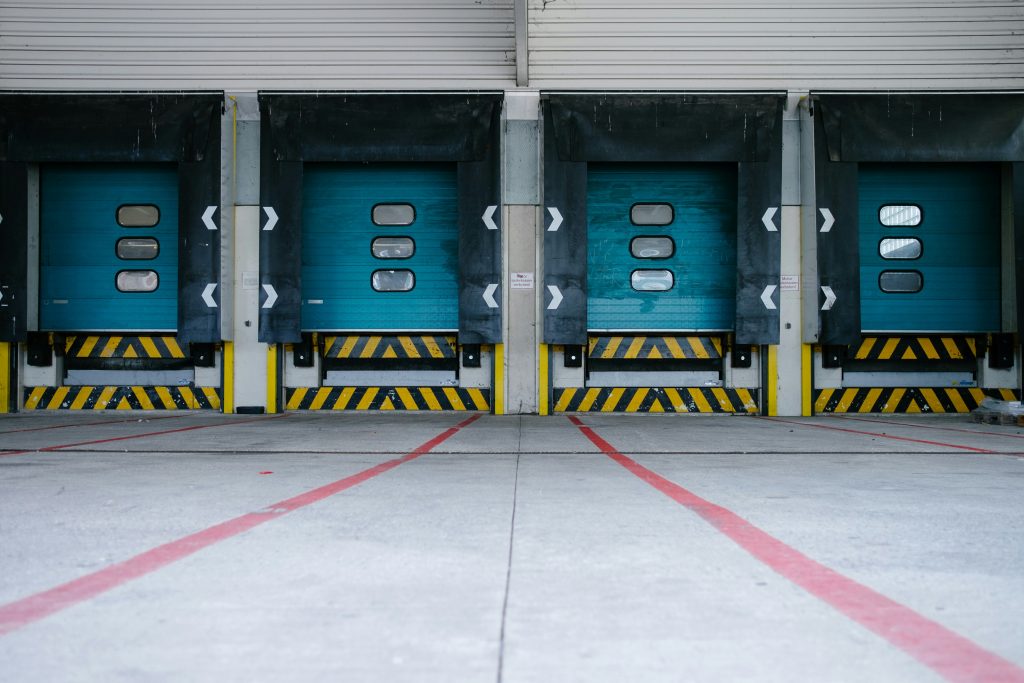
Crossdocking is a logistics method where incoming freight is unloaded, sorted, and shipped out with little to no storage time. Products flow directly from the receiving dock to outbound transportation.
Benefits of crossdocking:
- Faster delivery – Goods reach stores or customers within hours.
- Lower storage costs – Reduces the need for warehousing.
- Fewer handling steps – Less damage and labor.
- Improved inventory turnover – Products move quickly and efficiently.
What Lean Warehousing Really Means
At its core, lean warehousing is about eliminating waste; anything that doesn’t add value to the customer or the operation. That waste can take many forms: extra handling, waiting time, overstocking, inefficient layouts, or rework caused by errors. Lean doesn’t mean cutting corners or pushing teams harder. It means designing processes that flow naturally, reduce friction, and allow people to work more effectively. When waste is removed, efficiency follows.
Identifying the Most Common Sources of Warehouse Waste
The first step toward lean warehousing is recognizing where waste hides. Common examples include:
- Excess inventory that takes up space and capital
- Unnecessary travel due to poor layout
- Waiting time caused by unbalanced workflows
- Overprocessing from redundant checks or paperwork
- Errors that lead to rework or returns
Seeing these issues clearly allows teams to address root causes rather than symptoms.
Layout Optimization: Designing for Flow
Warehouse layout has a huge impact on efficiency. Lean warehousing prioritizes smooth, logical flow from receiving to shipping.
Optimized layouts reduce:
- Travel distance for pickers and equipment
- Congestion in high traffic areas
- Handling steps between processes
By placing fast-moving items closer to shipping areas and aligning workstations in sequence, warehouses can dramatically reduce wasted motion and time.
Inventory Control: Less Can Be More
Excess inventory is one of the biggest forms of waste in warehousing. Lean principles encourage keeping only what’s needed, when it’s needed.
Techniques like:
- Just in time replenishment
- FIFO or FEFO inventory rotation
- Demand-driven restocking
Help prevent overstocking and reduce the risk of damage, obsolescence, or spoilage. Lean inventory practices free up space and capital while improving accuracy.
Standardized Work for Consistent Results
Consistency is a powerful efficiency driver. Lean warehousing emphasizes standardized work—clear, repeatable processes that reduce variation and error.
Standardized work:
- Makes training faster and easier
- Reduces mistakes and rework
- Improves predictability and performance
When everyone follows the same best-known method, operations become more stable and easier to improve.
Technology Supporting Lean Operations
Technology plays a key role in enabling lean warehousing. Tools like warehouse management systems, barcode scanning, and real-time dashboards provide visibility into inventory, movement, and performance.
With better data, teams can:
- Identify bottlenecks quickly
- Balance workloads more effectively
- Reduce manual paperwork
- Make informed improvement decisions
Technology supports lean thinking by making waste visible and measurable.
Employee Engagement as a Lean Advantage
Lean warehousing works best when employees are involved. Frontline workers often see inefficiencies long before managers do.
Encouraging employee input:
- Uncovers practical improvement ideas
- Builds ownership and accountability
- Strengthens morale and engagement
When teams feel empowered to improve their environment, lean becomes a shared effort rather than a top-down initiative.
Reducing Errors and Rework
Errors create some of the most costly waste in warehousing. Lean principles focus on building quality into the process, not inspecting it in later. Clear labeling, visual cues, standardized picking methods, and mistake-proofing tools help reduce errors at the source. Fewer errors mean less rework, faster fulfillment, and happier customers.
Continuous Improvement as a Daily Habit
Lean warehousing isn’t a one-time project; it’s an ongoing practice. Small, continuous improvements add up over time.
Regular process reviews, performance metrics, and improvement discussions help teams:
- Identify new waste as operations change
- Test and refine solutions
- Maintain momentum and focus
This culture of continuous improvement keeps warehouses adaptable and resilient.
Safety and Lean Go Hand in Hand
Safer warehouses are often more efficient warehouses. Lean layouts reduce congestion, standardized work improves predictability, and clear workflows lower the risk of accidents. By designing processes that are both efficient and safe, warehouses protect their most valuable asset their people.
Lean Warehousing in a Scalable Operation
One of the biggest advantages of lean warehousing is scalability. When processes are efficient and standardized, growth becomes easier to manage.
Lean operations can:
- Absorb volume increases with less disruption
- Train new employees more quickly
- Adapt to changing demand patterns
Efficiency creates flexibility, which is critical in today’s fast-moving supply chains.
Measuring Success in Lean Warehousing
Lean success isn’t just about cutting costs. It shows up in:
- Faster order fulfillment
- Improved inventory accuracy
- Lower error rates
- Better space utilization
- Higher employee engagement
These outcomes reinforce each other, creating sustainable improvement rather than short-term gains.
Lean Warehousing as a Competitive Edge
Lean warehousing is about creating operations that work smarter, not harder. By reducing waste and increasing efficiency, warehouses become more responsive, reliable, and cost effective. Organizations that embrace lean principles build stronger foundations for growth, adaptability, and customer satisfaction. Lean isn’t just a method; it’s a mindset that turns everyday operations into a source of long-term advantage.