
For years, global logistics strategy revolved around ports. Ocean capacity. Terminal congestion. Drayage availability. Rail ramps. Distribution centers near coastal hubs. If you controlled your port strategy, you controlled your supply chain or at least that’s what we believed. But the game has changed. Ports are still critical. They move the bulk of global trade. But in today’s supply chain environment, managing ports alone isn’t enough. Airspace strategy; yes, the sky itself: now plays a bigger role in logistics performance than most companies realize. If you’re still thinking only in terms of docks and cranes, you’re missing half the battlefield.
What is Crossdocking ? (Read our Article here)
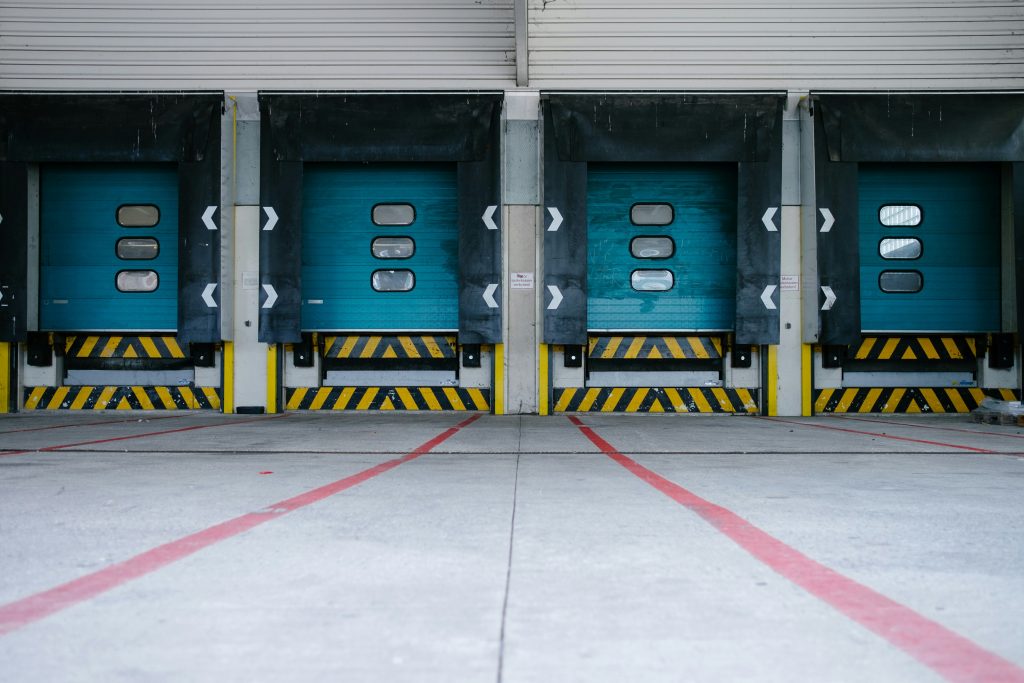
Crossdocking is a logistics method where incoming freight is unloaded, sorted, and shipped out with little to no storage time. Products flow directly from the receiving dock to outbound transportation.
Benefits of crossdocking:
- Faster delivery – Goods reach stores or customers within hours.
- Lower storage costs – Reduces the need for warehousing.
- Fewer handling steps – Less damage and labor.
- Improved inventory turnover – Products move quickly and efficiently.
The Shift from Ocean-Dominant Thinking
Ocean freight dominates by volume, but speed drives margin. As inventory cycles tightened, just-in-time manufacturing expanded, and e-commerce expectations skyrocketed, companies began leaning more heavily on air freight not just for emergencies, but as part of structured supply chains. Here’s the catch: air freight doesn’t operate in isolation from airspace. When European air corridors clog due to ATC congestion, labor disputes, or routing inefficiencies, transatlantic schedules shift. When Middle Eastern or Asian airspace tightens due to geopolitical factors, block times expand. Also when weather patterns reroute flights, fuel burn rises and arrival windows slide. Airspace isn’t just “where planes fly.” It’s infrastructure. Infrastructure strategy now matters.
Why Airspace Has Become a Supply Chain Variable
Air cargo depends on predictable routing. But global airspace is fragmented managed by national authorities, subject to local labor agreements, political priorities, and regional congestion patterns. That fragmentation creates variability. Aircraft don’t always take the shortest route. They take approved corridors. When one country experiences ATC staffing shortages or strikes, traffic ripples into neighboring airspace. Reroutes lengthen flight paths. Arrival times shift. Ground schedules compress. The cost impact is subtle but real. Increased fuel burn. Reduced aircraft utilization efficiency. Higher operating costs. Compressed connection windows. Airspace is now a performance variable not just a backdrop.
The Intermodal Ripple Effect
Here’s where this gets practical. An aircraft departing Milan for Chicago encounters congestion over French airspace and is rerouted. The arrival shifts by two hours. That shift compresses unloading windows. Truck appointments tighten. Crossdock sequencing adjusts. Labor allocation changes. If the ground operation doesn’t adapt fast enough, freight sits. Sitting freight triggers storage, detention, and potentially missed retail or manufacturing deadlines.
Peak Season Exposes Airspace Weakness
During peak retail cycles or industrial surges, airspace congestion amplifies. Passenger flights share corridors with cargo. Slot competition intensifies. Weather events compound traffic density. When corridors tighten, schedules lose elasticity. Companies that rely on air freight during peak season without factoring in airspace risk expose themselves to volatility. Rebooking becomes expensive. Spot rates spike faster. Buffer windows disappear. Airspace constraints don’t eliminate speed; they reduce reliability. Reliability is what companies actually pay for.
The Sustainability Layer
There’s another dimension to airspace strategy: emissions. Longer flight paths caused by fragmentation or rerouting increase fuel consumption. Higher fuel burn means greater carbon output. Airlines face sustainability mandates. Shippers track Scope 3 emissions. Investors evaluate ESG performance. Efficient airspace management reduces unnecessary routing and improves carbon efficiency. Airspace strategy isn’t just operational; it’s environmental. If your company reports sustainability metrics, air routing efficiency directly influences performance.
Why Ports Alone Can’t Solve Modern Disruption
Ports can be diversified. You can route to different terminals. Shift coastlines. Split volume between gateways. Airspace is different. You can’t simply “choose” an alternate sky the same way you choose an alternate port. Air corridors are structured, regulated, and capacity bound. That means logistics strategy must account for airspace risk upstream rather than reacting downstream. You need visibility into corridor congestion trends. Awareness of strike exposure. Understanding of regional traffic patterns. This is proactive planning; not reactive scrambling.
Building an Airspace Aware Logistics Strategy
So what does that look like in practice? First, identify which of your lanes rely heavily on congested or politically sensitive airspace corridors. Map exposure. Second, align with forwarders who actively monitor airspace developments; not just rates and capacity. Third, build downstream flexibility. Crossdock capacity, adjustable trucking appointments, and dynamic warehouse scheduling become shock absorbers when arrival times shift. Fourth, avoid over-compressing your timelines. Lean supply chains are efficient, but zero buffer combined with volatile air corridors is risky. Airspace awareness strengthens intermodal resilience.
The Competitive Advantage
Companies that think beyond ports gain an edge. When you incorporate airspace risk into your planning model, you protect margin and stabilize performance. You anticipate variability instead of absorbing it blindly. Air cargo will always be the premium mode. But the value of that premium depends on reliability. Airspace efficiency or inefficiency now directly shapes that reliability.
Looking Ahead
As global trade networks grow more complex, air freight will continue playing a strategic role. At the same time, calls for better airspace coordination and reform particularly in Europe; are gaining momentum. Structural change may come slowly. But awareness shouldn’t. The supply chains that outperform in today’s environment are the ones that recognize every layer of infrastructure not just ports and highways, but skies. When ports aren’t enough, strategy moves upward. Because in modern logistics, the sky is no longer just the route. It’s part of the risk model. And part of the opportunity.