
Let’s paint a picture, shall we? Imagine your freight just made it across the ocean, traveled thousands of miles, and landed in a port. The hard part’s over… right? Well, not exactly. Now comes the trickiest stretch of all: getting that freight to its final destination, fast, efficiently, and cost-effectively. That’s where transloading swoops in like a superhero with a cape made of forklifts, container handlers, and warehouse staff and especially when it’s done near intermodal hubs, it can be a total logistics game-changer. If you’ve ever wondered: “What’s the big deal about transloading near intermodal hubs?” “Isn’t it just an extra step?” “Can it really save money or time?” The answer is a big YES; and today we’re going to show you exactly why.
- What transloading is (without the logistics jargon)
- What intermodal hubs are and why they matter
- The clear advantages of combining the two
- Real world examples that prove it works
- How it boosts efficiency, saves cash, and shortens delivery times
- Pro tips for getting started
Let’s dive in and discover why transloading near intermodal hubs might be the smartest logistics move you’re not making (yet).
What is Crossdocking ? (Read our Article here)
Crossdocking is a logistics method where incoming freight is unloaded, sorted, and shipped out with little to no storage time. Instead of sitting on shelves, products flow directly from the receiving dock to outbound transportation.
Benefits of crossdocking:
- Faster delivery – Goods reach stores or customers within hours.
- Lower storage costs – Reduces the need for warehousing.
- Fewer handling steps – Less damage and labor.
- Improved inventory turnover – Products move quickly and efficiently.
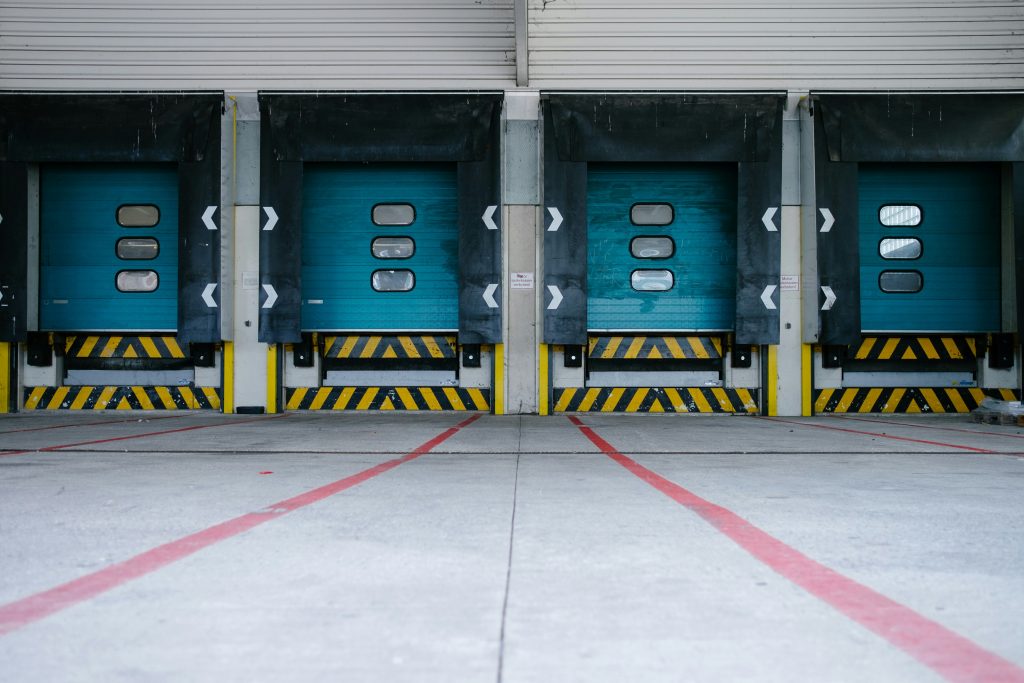
What is Transloading, Really? Let’s keep it simple.
Transloading is when freight is moved from one mode of transportation to another, often with cargo being unloaded from one container or trailer and reloaded into another.
- You receive a 40-foot ocean container at the port.
- You unload the cargo.
- You reload it into a 53-foot domestic trailer.
- It’s now ready to hit the road to its final destination.
Pretty straightforward, right? It’s basically a way to bridge the gap between international and domestic shipping, optimize space, reduce costs, and prep freight for delivery. But here’s the secret sauce: Where you do the transloading makes a HUGE difference.
What’s an Intermodal Hub?
An intermodal hub is a location where multiple forms of freight transportation intersect think:
- Rail terminals
- Ports
- Container yards
- Logistics parks
- Large scale distribution centers
It’s where containers are transferred between trains, trucks, and ships and where the magic of multimodal movement happens. When you transload near these hubs, you unlock a world of efficiency. Let’s break down exactly how.
Top Advantages of Transloading Near Intermodal Hubs
1. Seamless Mode Switching (With Fewer Headaches) Shipping is all about momentum. You don’t want your freight to stop and sit around waiting for the next ride.
Transloading near intermodal hubs allows for near-instant mode transitions:
- Ocean container →Truck trailer
- Railcar → Local delivery truck
- Container → Warehouse pallet → Final-mile van
Because these hubs are designed for intermodal traffic, the facilities, staff, and equipment are already in place to make the handoff smooth. No long delays. No hauling containers across town. Just efficient transfer and go.
2. Major Cost Savings on Domestic Shipping This one’s a biggie. Let’s say your freight arrives in a 40-foot ocean container, but domestic shipping trailers (especially in the U.S.) are usually 53 feet.
- You can consolidate multiple 40-ft shipments into fewer 53-ft trailers
- Reduce the number of trips
- Lower your cost-per-mile
- Avoid sending half-empty containers across the country
More freight per truck = less money per item = big savings.
3. Faster Delivery to Final Destination Transloading near a port or rail terminal eliminates unnecessary delays.
Instead of:
- Waiting days for a truck to arrive at the port
- Driving containers to a warehouse far away
- THEN transloading
…you do it on-site or within a short radius, and the freight hits the road immediately.
That means:
- Shorter dwell times
- Faster turnarounds
- Better delivery windows
- Happier customers
And in today’s world of 2-day shipping expectations? That’s priceless.
4. Reduced Drayage Costs Drayage is the short-distance haul (usually from port to nearby facility), and it’s one of those hidden logistics costs that add up quickly.
If your transloading facility is far from the port or rail yard, you pay more for that quick trip—over and over again.
- Keep drayage distances minimal
- Save on fuel and time
- Return containers faster (avoiding detention fees)
- Improve truck utilization
Less drayage = more dollars back in your pocket.
5. Faster Container Turnaround and Avoided Detention Fees Carriers and port operators are serious about container time limits.
Longer you keep their containers – The more you pay in detention or demurrage charges.
But when you transload at or near the hub?
- You can empty containers quickly
- Return them on time (or early!)
- Avoid steep penalties
- Keep your freight flowing without a hitch
Think of it as checking out of the hotel before they charge you for another night.
6. Flexibility to Customize Shipments Not all freight is created equal.
- Split a shipment into multiple destinations
- Combine SKUs for different retailers
- Add final mile packaging
- Label items per customer requirements
Transloading near intermodal hubs gives you the perfect staging ground to do just that right after freight arrives, and before it hits the road. It acts like a mini-= DC without the overhead.
7. Easier Cross-Border Transitions Shipping from Mexico to Canada? Or China to the Midwest? Transloading near major border hubs or ports allows for smoother transitions between customs zones, carrier regulations, and container sizes.
- Clear customs once
- Swap containers to match domestic equipment
- Consolidate international loads for internal distribution
All without slowing down your supply chain.
8. Sustainability Gains Here’s something not talked about enough: Transloading near intermodal hubs helps reduce your carbon footprint.
By:
- Consolidating loads
- Eliminating unnecessary trucking miles
- Avoiding underutilized trailers
- Minimizing fuel usage from long dray hauls
…you make your logistics greener—and customers notice. If your brand values sustainability (or is required to report it), this is a big win.
9. Reduced Risk of Damage or Theft Every time a container is moved or opened, there’s risk.
But at intermodal hubs:
- Facilities are built for secure freight handling
- Staff are trained to manage cargo efficiently
- Containers are tracked using sophisticated systems
- Handoffs happen under surveillance
That means less breakage, loss, or misrouting, especially during long-haul intermodal journeys.
10. Improved Inventory Visibility and Control Modern transloading facilities at intermodal hubs are more than just warehouses—they’re tech-enabled logistics centers.
When you transload there, you often get:
- Real-time freight tracking
- Automated inventory updates
- Integration with your supply chain systems
- Better forecasting and load planning
Better visibility = better decisions = better business.
Real-World Example: Transloading Success Story
Company: A major U.S. home goods retailer
Scenario: Imports product from Asia to the Port of Los Angeles, ships to Midwest stores.
Old process:
- Ship 40-ft containers from LA to inland DC
- Transload at DC
- Ship to stores
Problems:
- High inland drayage costs
- Long delivery windows
- Container detention fees
New process:
- Transload immediately near the port (within 5 miles)
- Load into 53-ft trailers
- Ship direct to regional stores or cross-dock centers
Results:
- Saved $400+ per shipment
- Reduced delivery time by 2–3 days
- Returned containers in <48 hours (no detention fees)
Now imagine this at scale—hundreds of containers per month. That’s hundreds of thousands saved annually.
When Should You Transload Near Intermodal Hubs?
Transloading near the hub is smart if:
✅ You import/export large container volumes
✅ You use both international and domestic freight modes
✅ You’re consolidating or splitting shipments
✅ You want to avoid port congestion and fees
✅ You need faster turnaround to final destinations
✅ You’re cost-conscious or carbon-conscious
✅ You have customers demanding short lead times
If that sounds like you this strategy belongs in your playbook.
Pro Tips for Efficient Transloading at Intermodal Hubs
1. Choose Facilities Within 5–10 Miles of Hubs Time is money. The closer the transload center to the port or rail yard, the more you save on drayage, fuel, and driver hours.
2. Have Clear Instructions and Load Plans Don’t wing it. Provide your logistics partners with:
- Packing lists
- Destination details
- Routing instructions
- Delivery time windows
A little prep = a lot less chaos.
3. Use Tech to Your Advantage Modern transloading centers offer:
- Inventory tracking
- Real time container monitoring
- Load optimization algorithms
Make sure you (or your 3PL) are using them.
4. Combine with Intermodal Shipping Transloading and intermodal are best friends.
- Use rail or ocean for long hauls.
- Transload near the terminal.
- Finish delivery with a truck.
That’s shipping done smarter.
5. Partner With a Skilled 3PL A good 3PL:
- Has connections at ports and rail hubs
- Can negotiate lower rates
- Handles coordination and compliance
- Keeps your freight moving without hiccups
They’ll make transloading feel easy even when it isn’t. So, what are the advantages of transloading near intermodal hubs? In short: faster, cheaper, smarter shipping. It lets you:
- Make smooth transitions between modes
- Cut down on costly delays and fees
- Consolidate freight like a pro
- Customize loads for different destinations
- Move product faster, safer, and with less environmental impact
In a world where logistics challenges never stop evolving, transloading near intermodal hubs isn’t just convenient it’s a strategic advantage. If you’re ready to simplify your supply chain, control your costs, and satisfy your customers… It’s time to make the hub your best friend.